Used Car Inspection Checklist: Follow this complete checklist to inspect engine, body, mileage, documents, and avoid costly mistakes before buying.
Buying a used car is a bit like looking for a hidden treasure. You are excited about the deal you found, but you also worry about getting stuck with a lemon. The excitement of a shiny new (to you) car can sometimes blind us to problems that might be hiding just beneath the surface. That is why having a sharp eye and a solid plan is super important.
At Shujha Auto Garage Services, we believe that knowledge is the best tool you can have when buying a vehicle. We have seen too many people fall in love with a car, only to discover later that it needs expensive repairs. This guide is designed to help you look like a pro. We will walk through a complete used car inspection checklist interior and exterior, and pop the hood to check the heart of the machine. Let’s get started so you can drive away with confidence.
Before You Start: Get Ready
Before you even touch the paint, make sure the paperwork is in order. Ask the seller for the service history. A stack of bills showing regular oil changes is a great sign. It means the owner likely took care of the car .
Also, find the Vehicle Identification Number (VIN). You can run this number online to get a history report. This report tells you if the car has been in a major accident, has a salvage title, or has any outstanding loans against it . If the seller hesitates to give you the VIN, that is a major red flag. Walk away.
Once the papers look good, it’s time to put on your detective hat. Pick a sunny day to view the car. Sunlight doesn’t lie—it will highlight every scratch and mismatched paint job.
The Used Car Inspection Checklist Exterior
This is where you start your inspection. Walk around the car slowly. Don’t just look—run your hand along the panels. Sometimes your hand can feel bumps and waves that your eyes might miss.
- The Body and Paint
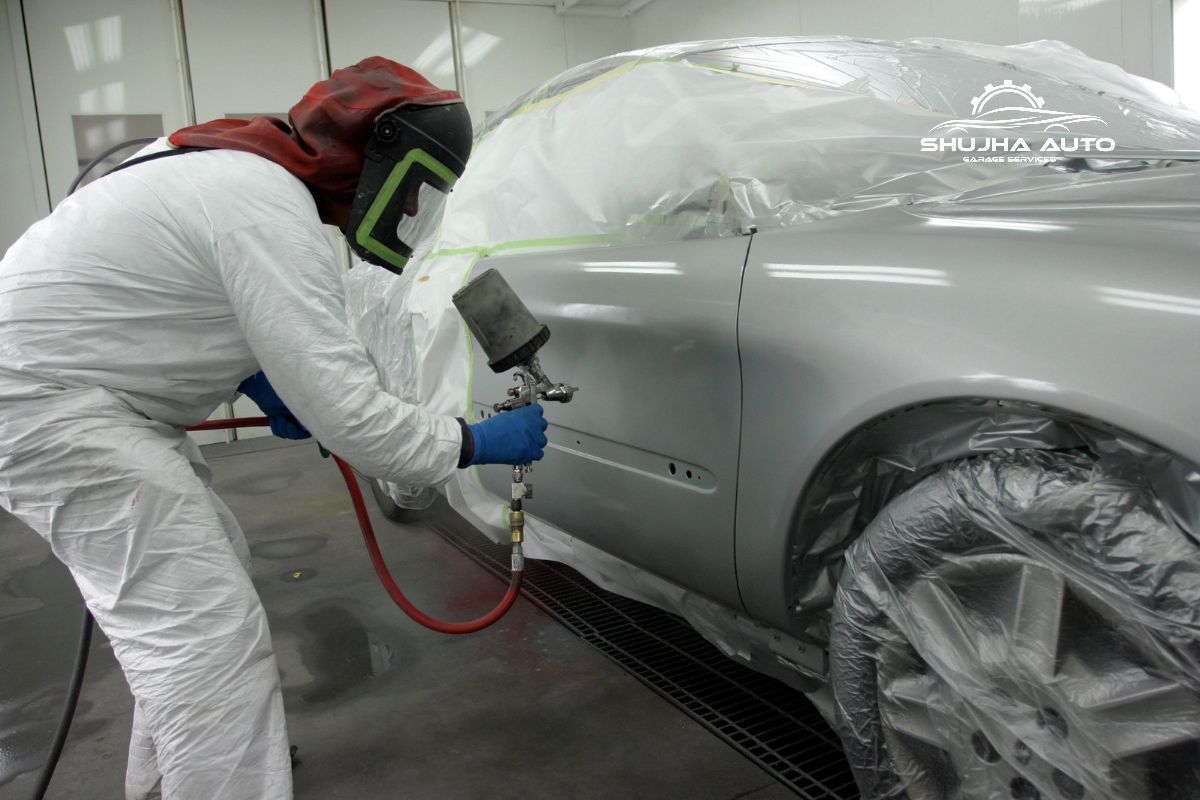
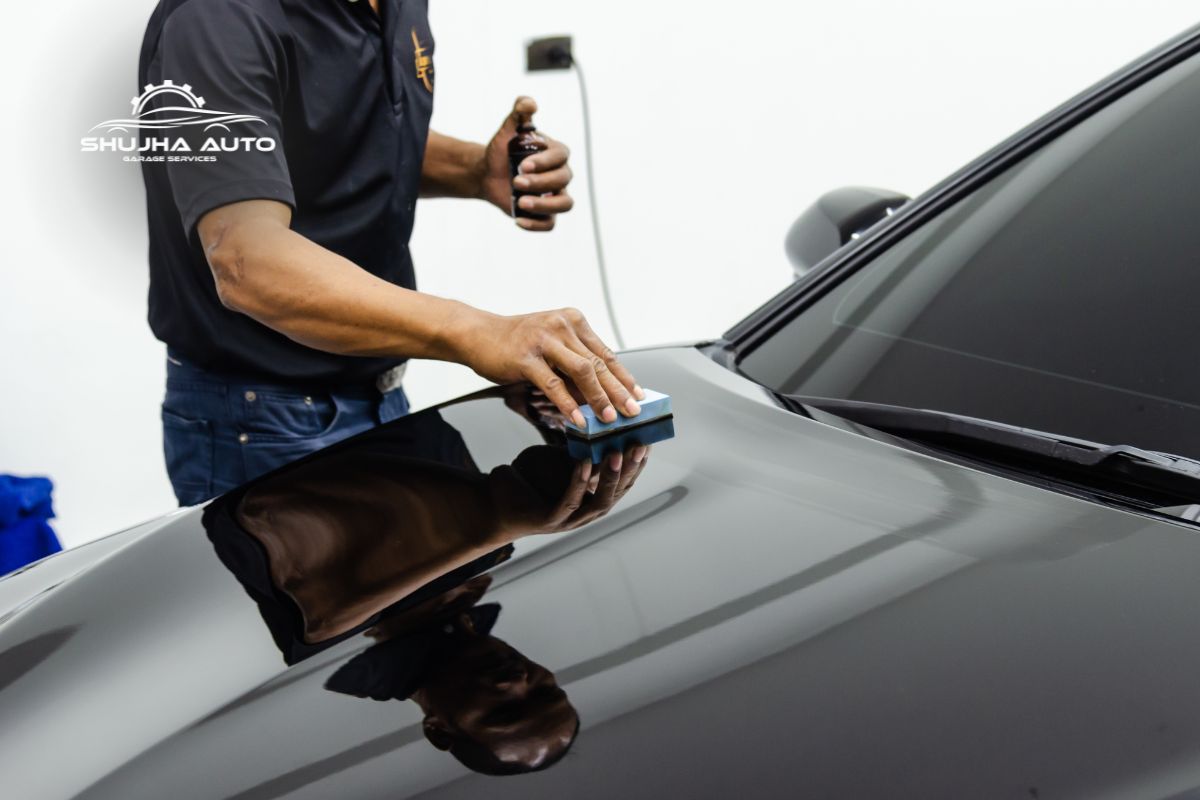
Stand at the front and look down the side of the car. Do the panels line up? The gaps between the hood, doors, and trunk should be even and consistent. If one side has a big gap and the other side is tight, it could mean the car was in an accident and wasn’t repaired properly .
- Paint Consistency: Check if the color looks the same on all parts. If the bumper is a slightly different shade than the fender, it might have been replaced after a crash .
- Rust: Look closely at the bottom of the doors, the wheel arches, and the edges of the hood. Rust spreads quickly, and fixing it is expensive .
- Glass and Lights
Check every piece of glass. Look for small chips or long cracks in the windshield. Even a small chip can spread when the weather changes. Make sure all the glass (including the windows) is original if possible. You can usually find a tiny logo on the glass with the car manufacturer’s name and the date it was made .
- Lights: Check the headlights for fogging or yellowing. This makes them less bright at night. Also, check inside the light covers for moisture—if there is water inside, the seal is broken .
- Tires and Wheels
Tires tell a story. Look at the tread. Is it worn down evenly? If the inner edge of the tire is bald but the outside has tread, the car likely has an alignment or suspension problem .
- Tread Check: Use a penny. Insert it into the tread with Lincoln’s head down. If you can see the top of his head, the tire is too worn and needs replacing soon .
- Wheels: Scuffed up alloy wheels might just mean the previous owner was bad at parking, but curb rash can also hide vibration issues.
Location: Please Visit Our Shujha Auto Garage
The Used Car Inspection Checklist Interior
Once you finish the outside, get inside the car. The interior tells you how the previous owner lived. A well-kept cabin usually means a well-maintained car.
- Seats and Carpet
Sit in the driver’s seat. Is the bolster (the side part) worn out? That happens from getting in and out, so some wear is normal on older cars. But check for rips or burns .
- Smell Test: This is important. If the car smells like air freshener, be suspicious. They might be hiding a musty smell from mold or water leaks.
- Carpet Check: Pull back the carpet in the footwells, especially under the floor mats. Feel for dampness. Check under the seats for rust. If the carpet is wet or stained, the car might have flood damage or a leaking heater core .
- Buttons and Electronics
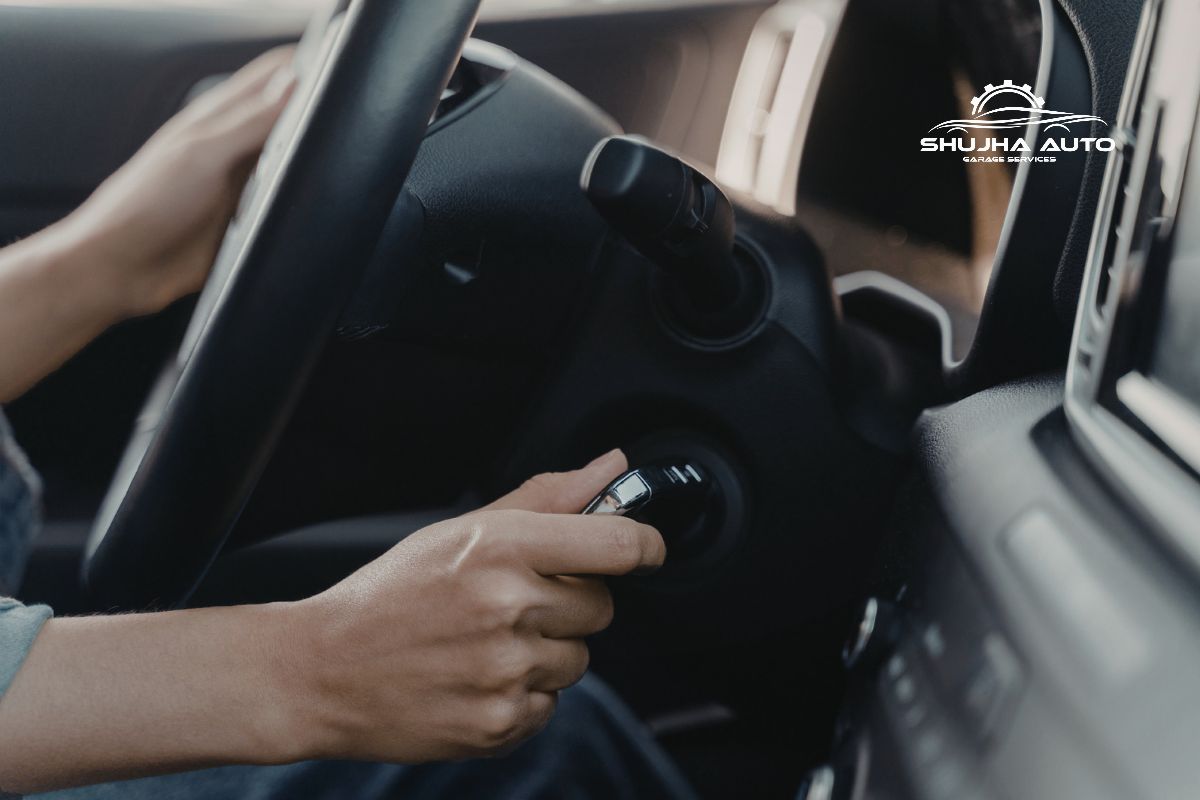
Modern cars have lots of buttons, and fixing them can cost a lot. Turn on the ignition (but don’t start the engine yet). Look at the dashboard. You should see the Check Engine, Oil, and Battery lights come on. They should go off once you start the engine. If the Check Engine light stays off completely when you turn the key, someone might have disabled it to hide a problem .
- HVAC System: Turn on the Air Conditioner all the way. Does it blow cold air? Switch it to hot. Does it change? Try every fan speed.
- Infotainment: Test the radio, the USB ports, and the Bluetooth connection. Do all the speakers work? If there is a touchscreen, make sure it responds to touch in every corner .
- Windows and Locks: Roll every window down and up. Listen for weird grinding noises. Check that all the door locks work, including the trunk release.
- Odometer Check
Look at the mileage on the odometer. Now, look at the wear and tear inside the car. Does it match? A car with 30,000 miles should have a driver’s seat that looks almost new. If the seat is worn out but the mileage is low, be suspicious .
The Used Car Inspection Checklist Engine
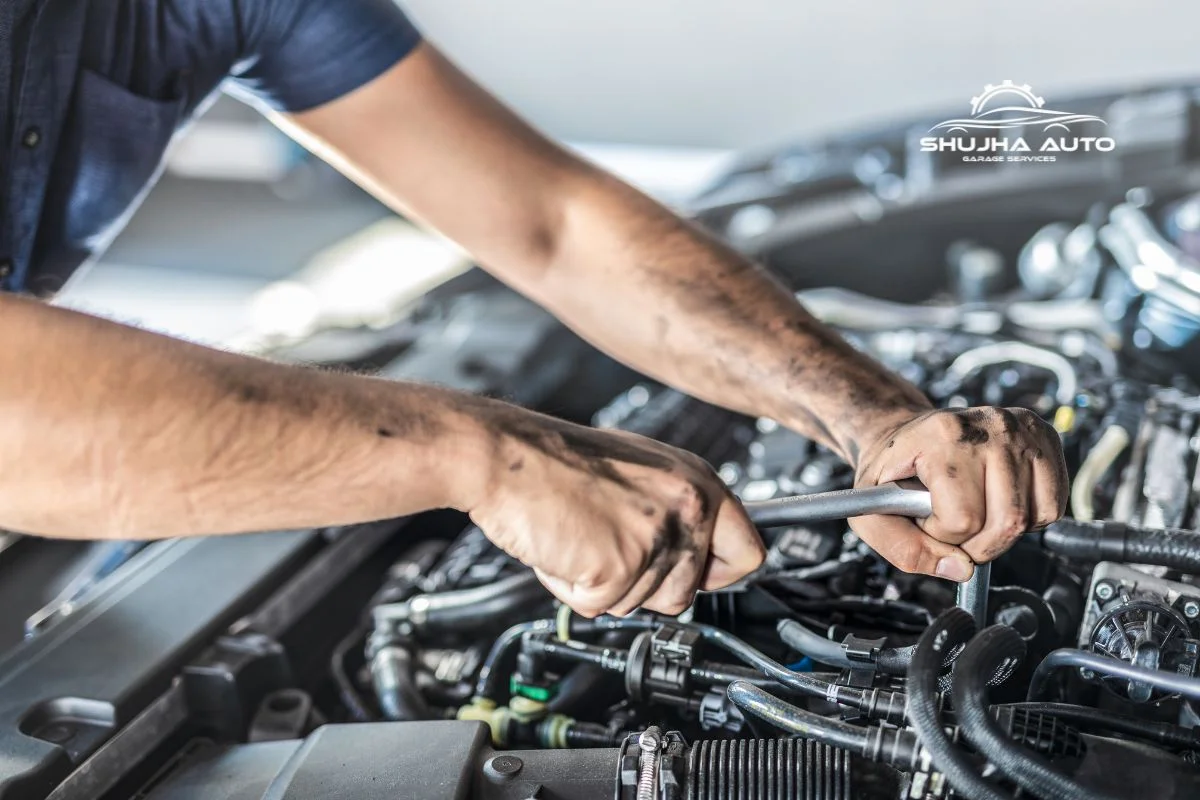
Now, for the scary part for many buyers—popping the hood. Don’t worry, you don’t need to be a mechanic to spot the basics. At Shujha Auto Garage Services, we always tell our customers that a quick visual check of the engine can save you thousands.
- First Glance
Open the hood and look at the engine bay. Is it sparkling clean? While a clean engine looks nice, be wary of detailer’s grease. Sometimes sellers clean the engine so well that they wash away evidence of oil leaks . Look for signs of dirt and grime in the corners. A little dust is fine, but fresh oil residue is a warning sign.
- Fluid Checks
Look at the engine oil dipstick. Pull it out, wipe it clean, put it back, and pull it out again. The oil should be a brownish or amber color. If it is black and thick, the car hasn’t been serviced lately. If it looks like a milkshake (creamy and light brown), that means water is mixing with the oil—a sign of a blown head gasket, which is a very expensive repair .
- Coolant: Check the coolant reservoir. The liquid should be bright green, orange, or pink. If it looks rusty or muddy, the cooling system hasn’t been maintained .
- Oil Cap: Open the oil filler cap. Look underneath it. If you see sludge or that same milkshake look, do not buy this car .
- Belts and Hoses
Check the rubber belts. Do they look cracked or shiny and glazed? If they snap soon after you buy the car, you will be stuck on the side of the road. Squeeze the big radiator hoses (when the engine is cold). They should feel firm, not soft or mushy .
- Leaks
Look at the ground under the car. Are there any puddles? Also, look at the engine block itself. If you see dark, oily dirt stuck to the sides of the engine, there is a leak. A small leak might not be a deal breaker, but it gives you power to negotiate the price .
Part 4: The Test Drive
If the car passes the parked inspection, it’s time to drive. Turn on the car. Does it start immediately, or does it crank slowly? Let it idle for a minute.
- On the Road
Drive on a smooth road first. Feel the steering wheel. Does it vibrate? Let go of the wheel for a second (be safe!). Does the car pull to one side? That indicates an alignment issue .
- Brakes: At a safe speed, hit the brakes gently. Do they feel soft and spongy, or do they grab immediately? Listen for squealing noises .
- Transmission: If it’s an automatic, it should shift smoothly without jerking. If it’s a manual, the clutch should engage smoothly, and the gears should slide in easily without grinding.
- Listen Closely
Turn off the radio. Listen to the engine as you accelerate. Do you hear a knocking sound? That is bad. Do you hear a clicking sound that gets faster as you speed up? That could be a bad CV joint .
What happens if an issue is found?
This is a very common question, and it is important to stay calm. Finding an issue doesn’t automatically mean you should walk away. It means you need to be smart.
First, separate the issues into Safety and Convenience. A worn tire is a safety issue, but it’s an easy fix. A strange noise from the engine is a major concern.
Here is what you can do:
- Ask for a Fix: If you are at a dealership, you can ask them to fix the problem before you buy. For example, if the air conditioning isn’t working, ask them to repair it as part of the deal .
- Negotiate the Price: If the car needs new tires or brakes, get a quote from a trusted shop (like Shujha Auto Garage Services) for how much those repairs cost. Then, go back to the seller and ask for that amount off the asking price. This way, you can buy the car and get it fixed yourself, knowing the job was done right.
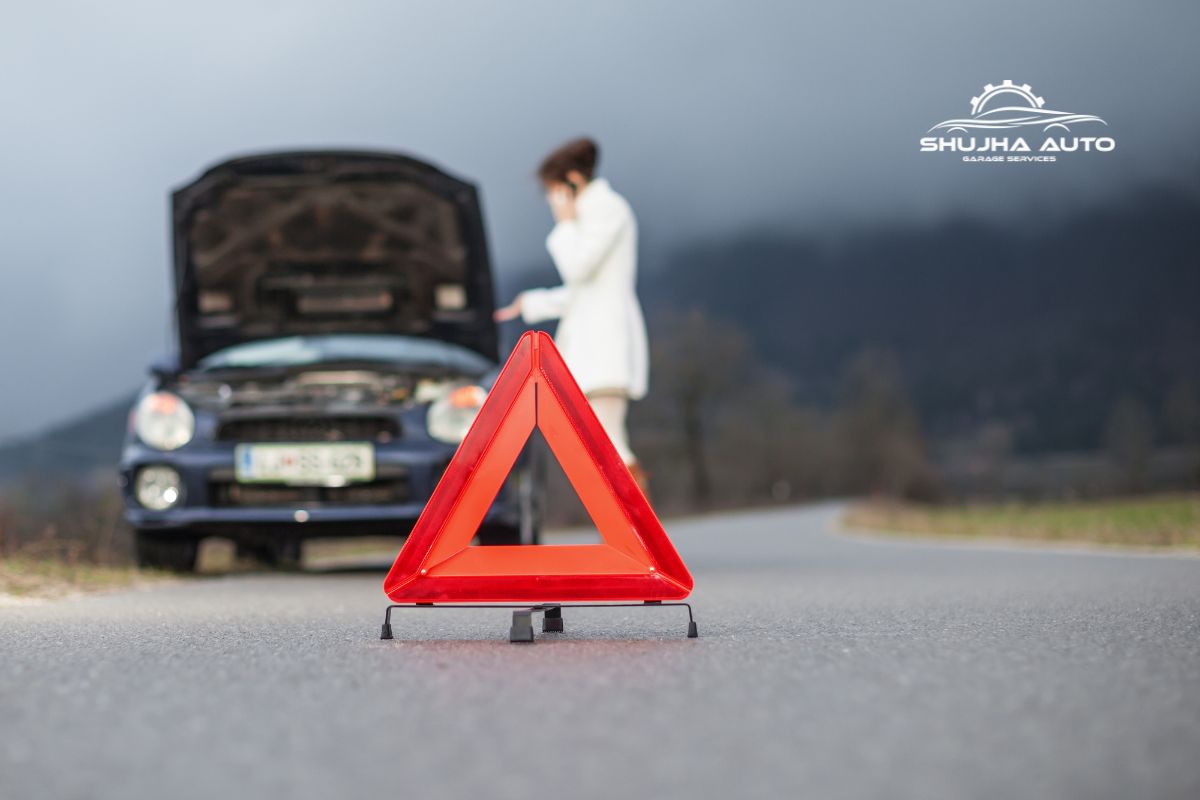
- Get a Professional Diagnosis: If the check engine light is on or you hear a weird noise, ask us to look at it. We can perform a deep dive to find out exactly what is wrong.
Are there any hidden fees or charges?
When you negotiate a price with a private seller, the deal is usually straightforward: you pay the price, they hand over the car. But if you buy from a dealer, you need to ask: Are there any hidden fees or charges?
Sometimes, the advertised price isn’t the final price. Here are some common fees you might see:
- Processing Fee: Some dealers charge a fee for handling the paperwork. You can try to negotiate this away .
- Taxes and Registration: You will have to pay sales tax on the car and a fee to register it in your name at the DMV or RTA office. These aren’t hidden, but they are extra costs people forget to budget for .
- Certification Fee: If you are buying a Certified Pre-Owned car, the dealer sometimes charges a fee for that certification and the warranty that comes with it .
Always ask the dealer for the Out-the-Door price. This is the total amount you will pay, including the car, all fees, and taxes. This way, there are no surprises when you go to sign the papers.
What’s included in the free diagnostic check
At Shujha Auto Garage Services, we want you to buy with confidence. That’s why we offer a service to help buyers just like you. If you find a car you like, bring it to us. But you might be wondering, what’s included in the free diagnostic check?
While a full inspection is very detailed, our free initial diagnostic check is designed to catch the major deal-breaker issues. It usually includes:
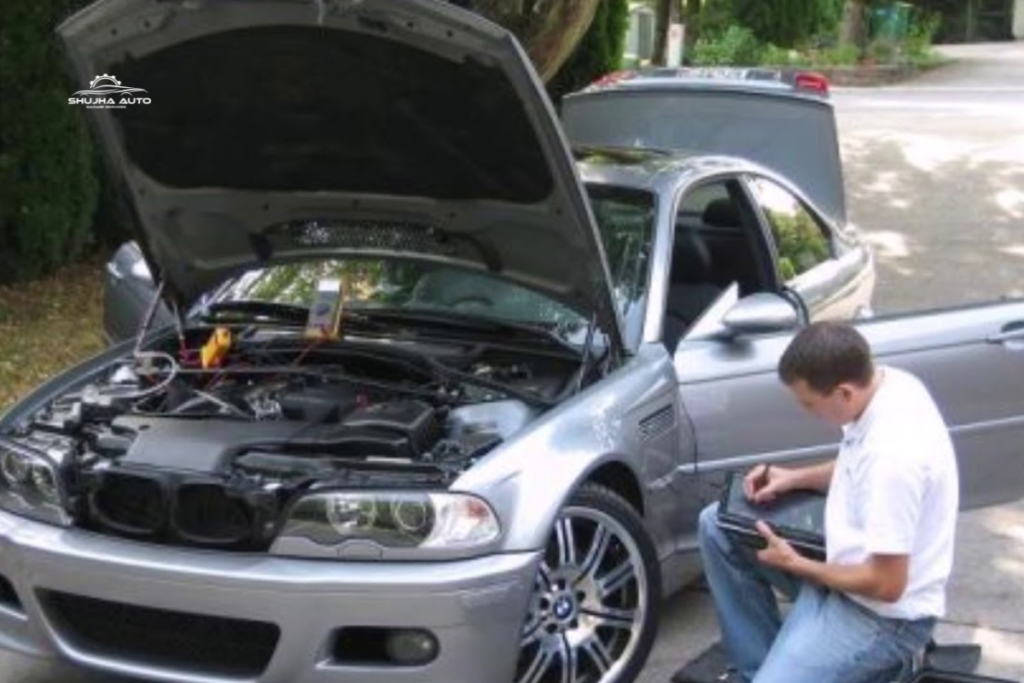
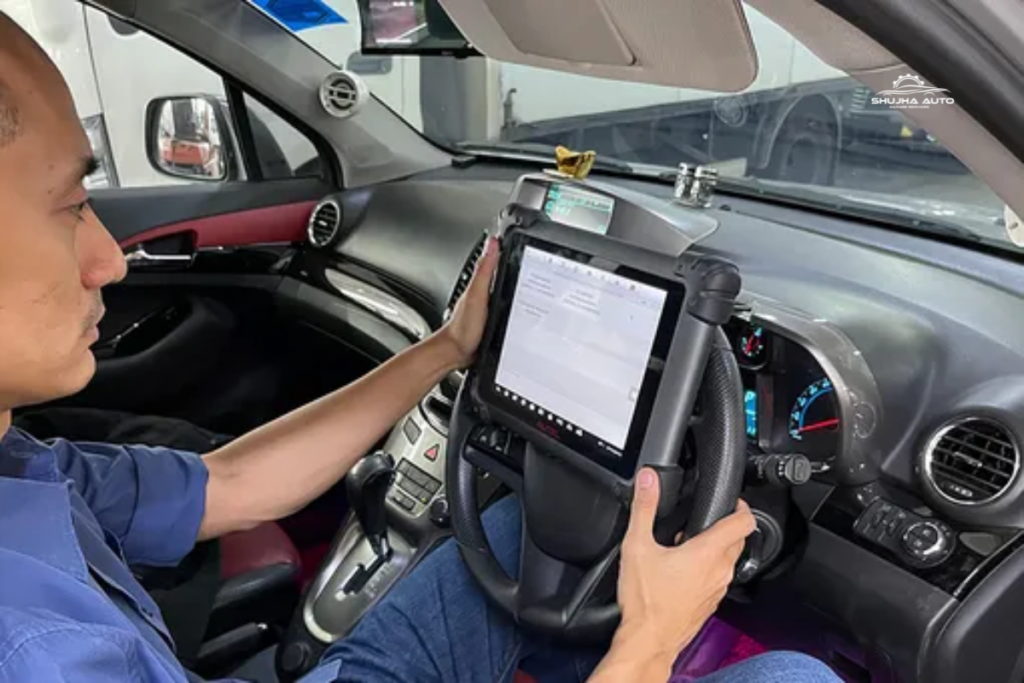
- Check Engine Light Scan: We plug in a professional scanner to read the car’s computer. This tells us if there are any hidden error codes. Sometimes sellers clear these codes right before you view the car, but they leave a trace that we can find. This scan checks for issues with the engine, transmission, and emissions systems .
- Battery and Charging System Test: We check the battery health to see if it is weak and if the alternator is charging properly.
- Basic Fluid Check: We will check the level and condition of the engine oil and coolant.
- Visual Brake Check: We take a look at the brake pads through the wheels to see how much life is left in them.
This free check gives you a snapshot of the car’s health. If we find something, we can then recommend a full inspection to give you a complete picture and a repair estimate. This information is pure gold when you go back to negotiate the price .
Final Checklist Summary
To make it easy, here is a quick summary of what to do:
Step 1: History Check
- Verify VIN and get vehicle history report.
- Check service records for regular maintenance.
Step 2: Exterior
- Check panel gaps and paint consistency.
- Look for rust on doors, wheel arches, and underbody.
- Inspect tires for uneven wear and tread depth.
- Test all lights (headlights, brake lights, signals).
Step 3: Interior
- Check seats for wear, rips, and stains.
- Sniff for mold or musty smells.
- Test A/C, heater, radio, and all windows.
- Ensure warning lights work on startup.
Step 4: Engine
- Check oil color and level (dipstick).
- Inspect under the oil cap for sludge.
- Look for leaks or fresh spray under the hood.
- Check belts for cracks.
Step 5: Test Drive
- Listen for knocking or ticking noises.
- Ensure steering is straight and doesn’t pull.
- Test brakes for feel and noise.
- Check smooth shifting of gears.
Step 6: Professional Help
- Bring the car to Shujha Auto Garage Services for a free diagnostic check.
- Get a repair quote for any issues found.
Conclusion
Buying a used car doesn’t have to be a gamble. By following this used car inspection checklist interior, exterior, and engine steps, you are taking control of the process. You are telling the seller that you are serious and that you know what to look for.
Remember, the goal isn’t to find a perfect car—used cars will always have some wear and tear. The goal is to find an honest car. A car where the wear and tear matches the age and mileage, and where there are no nasty secrets hiding under a fresh coat of wax.If you ever feel unsure, or if you find a promising car and want a second set of expert eyes, we are here for you. At Shujha Auto Garage Services, we treat every car as if we were buying it ourselves. Drive safe, and happy hunting