Car engine overheating is one of the most serious warning signs a driver can face. At first, you may notice the temperature gauge rising. Then the AC may stop cooling properly, steam may come from the bonnet, or a warning light may appear on the dashboard. If you continue driving, the engine can suffer major damage.
Your car engine creates a lot of heat while running. The cooling system controls this heat and keeps the engine at a safe operating temperature. When any part of the cooling system fails, the engine temperature can rise quickly. This can damage the head gasket, radiator, water pump, thermostat, hoses, and even internal engine parts.
In this guide, we will explain why your car engine is overheating, common causes, warning signs, what to do safely, possible repair solutions, and when to visit Auto Garage Services for engine diagnostic service, cooling system repair, radiator repair, coolant leak inspection, car maintenance service, or engine repair service.
Quick Answer: Why Is My Car Engine Overheating?
Your car engine may be overheating because of low coolant, coolant leakage, radiator blockage, faulty thermostat, broken water pump, cooling fan failure, damaged radiator cap, blocked hoses, bad head gasket, engine oil problems, or poor maintenance.
If the temperature gauge is rising, steam is coming from the bonnet, coolant is leaking, or the engine warning light appears, you should stop driving safely. Continuing to drive with an overheating engine can cause expensive engine damage.
Why Engine Overheating Is Dangerous
Engine overheating is dangerous because the engine is designed to work within a specific temperature range. If the temperature becomes too high, metal parts expand, oil becomes less effective, and seals or gaskets can fail.
Ignoring overheating can lead to:
- Blown head gasket
- Warped cylinder head
- Radiator damage
- Water pump failure
- Coolant hose burst
- Engine oil breakdown
- Loss of engine power
- Complete engine failure
A small cooling system issue can become a major engine repair if it is not fixed early. This is why overheating should always be treated as urgent.
Common Causes of Car Engine Overheating
Engine overheating can happen for many reasons. Some causes are simple, while others need professional inspection.
Low Coolant Level
Low coolant is one of the most common reasons for engine overheating. Coolant absorbs heat from the engine and carries it to the radiator. If the coolant level is low, the system cannot remove heat properly.
Low coolant may happen because of:
- Coolant leak
- Old hoses
- Radiator leak
- Faulty radiator cap
- Water pump leak
- Poor maintenance
- Head gasket issue
If your coolant level keeps dropping, topping it up is not enough. The leak source must be found and repaired.
Coolant Leak
A coolant leak can happen from several areas in the cooling system. Sometimes it appears as a visible puddle under the car. Other times, the leak is small and only happens when the engine is hot and under pressure.
Common coolant leak points include:
- Radiator
- Coolant hoses
- Water pump
- Thermostat housing
- Radiator cap
- Heater core
- Expansion tank
- Head gasket
Coolant leaks should be checked quickly because even a small leak can cause overheating during traffic or long driving.
Faulty Thermostat
The thermostat controls coolant flow between the engine and radiator. When the engine is cold, the thermostat stays closed to help the engine warm up. When the engine reaches the correct temperature, it opens and allows coolant to flow.
If the thermostat gets stuck closed, coolant cannot circulate properly. This can make the engine overheat quickly.
Signs of a faulty thermostat may include sudden overheating, temperature gauge moving up and down, poor heater performance in some cars, or overheating after a short drive.
Radiator Blockage
The radiator cools the hot coolant before it returns to the engine. If the radiator is blocked internally or externally, it cannot remove heat properly.
Internal blockage can happen because of rust, old coolant, sludge, or poor-quality coolant. External blockage can happen because of dust, sand, leaves, insects, or dirt stuck in the radiator fins.
In UAE driving conditions, dust and heat can put extra pressure on the radiator. A blocked radiator can cause overheating, especially in traffic or while using AC.
Cooling Fan Failure
The cooling fan helps pull air through the radiator, especially when the car is stopped or moving slowly. If the fan is not working, the engine may overheat in traffic but cool down slightly when driving at higher speed.
Cooling fan problems can be caused by:
- Faulty fan motor
- Bad relay
- Blown fuse
- Wiring issue
- Temperature sensor fault
- Fan control module problem
If your car overheats more in traffic than on the highway, the cooling fan should be checked.
Water Pump Failure
The water pump circulates coolant through the engine and radiator. If the water pump fails, coolant cannot move properly, and the engine can overheat quickly.
Water pump problems may cause coolant leakage, whining noise, overheating, or coolant not circulating inside the system.
A damaged water pump should be repaired quickly because it is one of the main parts of the cooling system.
Damaged Radiator Cap
The radiator cap may look small, but it is important. It helps maintain pressure inside the cooling system. Proper pressure increases the boiling point of coolant and helps the system work efficiently.
If the radiator cap is weak or damaged, coolant may boil, overflow, or escape from the system. This can cause overheating and low coolant level.
Blocked or Damaged Coolant Hoses
Coolant hoses carry coolant between the engine, radiator, and other parts of the cooling system. Over time, hoses can become soft, cracked, swollen, or blocked.
A damaged hose may leak coolant. A blocked hose may stop coolant flow. Both problems can cause engine overheating.
During car maintenance service, coolant hoses should be inspected for cracks, leaks, swelling, and weak spots.
Bad Head Gasket
A bad head gasket is a serious cause of engine overheating. The head gasket seals the area between the engine block and cylinder head. If it fails, coolant may enter the engine cylinders or engine oil may mix with coolant.
Signs of a bad head gasket may include:
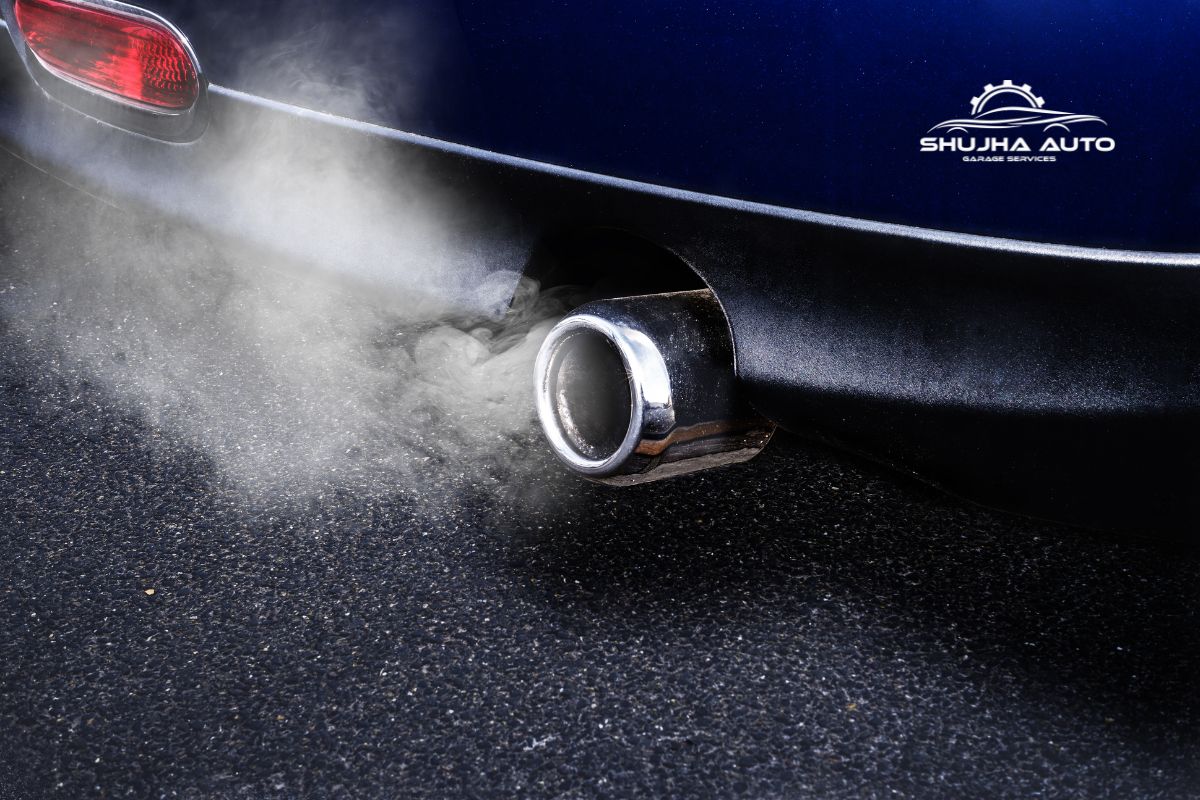
- White smoke from exhaust
- Coolant loss with no visible leak
- Milky engine oil
- Engine overheating
- Bubbles in coolant tank
- Rough engine performance
A head gasket problem needs proper engine diagnostic service because it can lead to major engine repair if ignored.
Engine Oil Problems
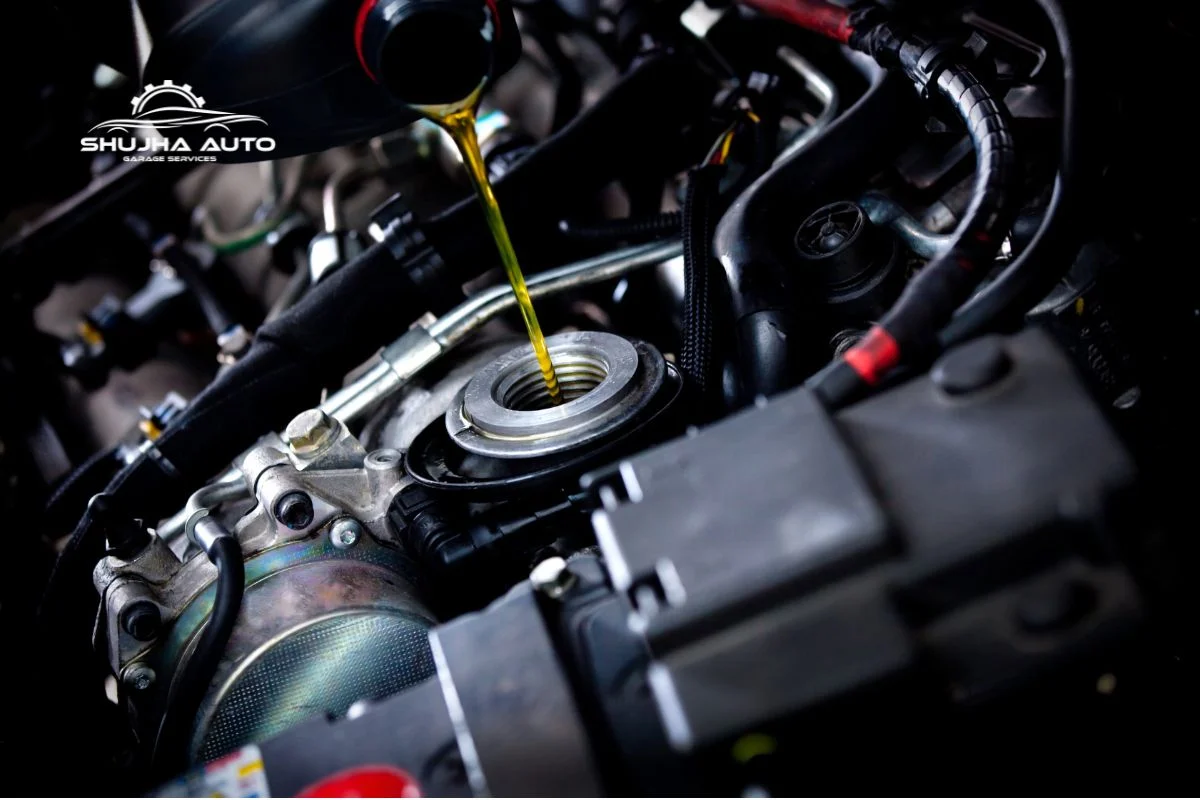
Engine oil also helps control heat inside the engine. If the oil level is too low, old, dirty, or wrong grade, engine parts may create more friction and heat.
Low engine oil can make overheating worse and may cause internal engine damage. If your car is overheating and the oil warning light appears, stop driving immediately.
Faulty Temperature Sensor
The temperature sensor helps the car monitor engine temperature. If the sensor gives wrong readings, the cooling fan may not start at the correct time, or the dashboard gauge may show incorrect temperature.
Sensor problems can also trigger warning lights. A diagnostic scan can help confirm if the sensor is faulty.
AC Load and Hot Weather
In hot weather, the engine and cooling system work harder. When the AC is running, the cooling system has extra heat to manage. If the radiator, fan, coolant, or condenser is weak, the engine may overheat more easily.
This is common in UAE conditions, especially during summer, heavy traffic, and long idle times.
Warning Signs Your Engine Is Overheating
Engine overheating usually gives warning signs before major damage happens. You should take these signs seriously.
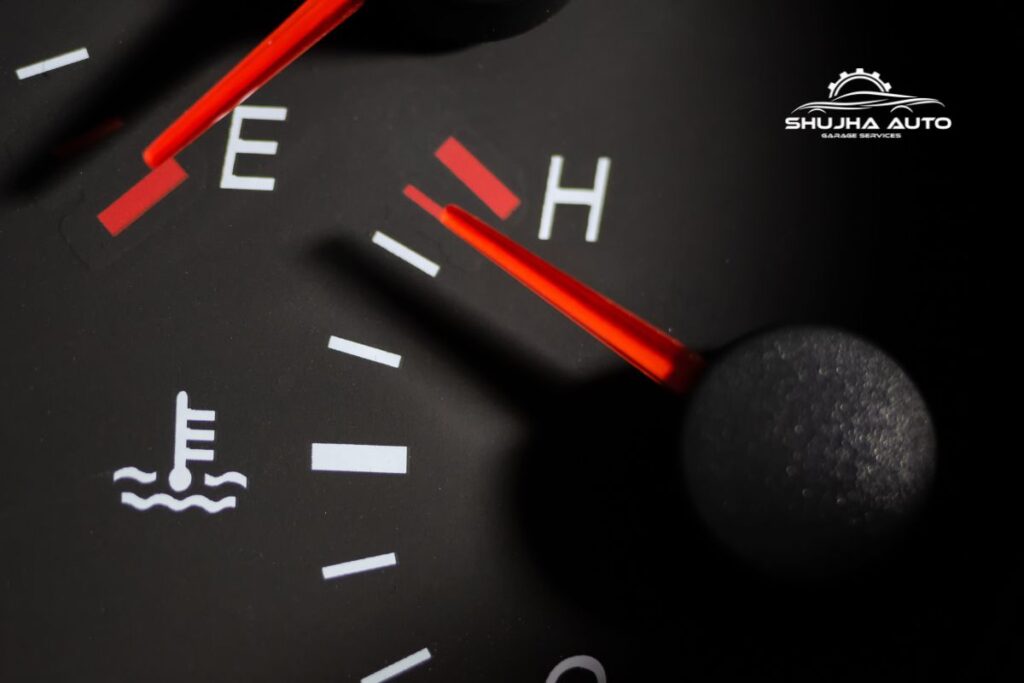
Temperature Gauge Rising
The temperature gauge should normally stay around the middle range. If it moves toward the hot side, the engine is overheating or close to overheating.
Steam From Bonnet
Steam from the bonnet usually means coolant is boiling or leaking onto hot engine parts. Do not open the radiator cap when the engine is hot.
Coolant Leak Under Car
Coolant may look green, pink, orange, red, or blue depending on the type. If you see colored fluid under the car, the cooling system needs inspection.
Burning Smell
A burning or sweet smell may come from leaking coolant or overheating engine parts. This is a warning sign that should not be ignored.
AC Stops Cooling
In some cars, the AC may stop cooling properly when the engine temperature rises. This can happen because the cooling system is under stress.
Engine Warning Light
The check engine light or temperature warning light may appear when the engine is too hot or when a related sensor detects a problem.
Loss of Power
An overheating engine may feel weak because the ECU may reduce power to protect the engine. This can happen during severe overheating.
What Should You Do If Your Car Overheats?
If your car starts overheating, your first priority should be safety. Do not continue driving normally.
Step 1: Turn Off the AC
Turn off the AC immediately. This reduces load on the engine and cooling system.
Step 2: Turn On the Heater If Safe
In some cases, turning on the heater can help pull some heat away from the engine. This may be uncomfortable in hot weather, but it can help for a short time while you find a safe place to stop.
Step 3: Pull Over Safely
Stop the car in a safe area as soon as possible. Do not keep driving if the temperature is rising quickly.
Step 4: Switch Off the Engine
Turn off the engine and allow it to cool. Do not open the radiator cap while the engine is hot. Hot coolant can spray out and cause serious burns.
Step 5: Check for Visible Leaks
After the engine cools, look for coolant leaks under the car or around the engine bay. Do not touch hot parts.
Step 6: Call for Help If Needed
If the coolant level is very low, steam is coming out, or the temperature warning light stays on, do not continue driving. Get the car inspected professionally.
Can You Drive With an Overheating Engine?
No, you should not continue driving with an overheating engine. Even a few minutes of severe overheating can damage expensive engine parts.
If the temperature gauge is slightly high but stable, you may drive very carefully to a nearby safe place or garage. But if steam is coming out, coolant is leaking heavily, the warning light is on, or the engine is losing power, stop driving.
A small cooling system repair is usually much cheaper than repairing a damaged engine.
What Happens During Overheating Diagnosis?
A proper overheating diagnosis helps find the real cause. Guessing can lead to unnecessary repairs and repeat overheating.
At Auto Garage Services, overheating inspection may include:
- Checking coolant level
- Inspecting coolant leaks
- Checking radiator condition
- Testing radiator cap
- Checking thermostat operation
- Inspecting water pump
- Checking cooling fan
- Scanning fault codes
- Inspecting hoses
- Checking engine oil condition
- Pressure testing the cooling system
- Road testing if safe
This process helps identify whether the problem is a leak, fan issue, thermostat fault, radiator blockage, water pump failure, head gasket issue, or sensor problem.
Common Engine Overheating Solutions
The right solution depends on the exact cause of overheating.
Coolant Top-Up and Leak Repair
If coolant is low, the level should be corrected with the right coolant type. But if there is a leak, it must be repaired first.
Radiator Repair or Replacement
If the radiator is leaking, blocked, or damaged, it may need cleaning, repair, or replacement depending on its condition.
Thermostat Replacement
If the thermostat is stuck or not opening properly, replacing it can restore coolant flow and prevent overheating.
Cooling Fan Repair
If the cooling fan is not working, the fan motor, fuse, relay, wiring, sensor, or control module may need repair.
Water Pump Replacement
If the water pump is leaking or not circulating coolant, replacement may be required.
Hose Replacement
Cracked, swollen, leaking, or blocked hoses should be replaced before they burst and cause sudden overheating.
Head Gasket Repair
If the head gasket is damaged, the engine may need serious repair. This should be diagnosed properly before starting work.
Cooling System Flush
If old coolant, rust, or sludge is blocking the system, a cooling system flush may help restore coolant flow. This should be done carefully using the correct method and coolant.
How to Prevent Car Engine Overheating
Preventing overheating is easier and cheaper than repairing engine damage.
Check Coolant Level Regularly
Check the coolant level when the engine is cool. If the level keeps dropping, there may be a leak.
Use the Correct Coolant
Always use the correct coolant type for your vehicle. Mixing wrong coolant types can reduce cooling performance and create sludge.
Service the Cooling System
Radiator, hoses, thermostat, water pump, and cooling fan should be checked during regular car service.
Change Engine Oil on Time
Clean engine oil helps reduce friction and heat. Delayed oil change can make the engine run hotter.
Keep the Radiator Clean
Dust, sand, and dirt can block airflow through the radiator. This is especially important in hot and dusty areas.
Do Not Ignore Small Leaks
A small coolant leak can become a big overheating problem. Fix leaks early before coolant level drops too low.
Watch the Temperature Gauge
Make it a habit to notice the temperature gauge while driving. Early action can prevent serious damage.
Is Engine Overheating Repair Expensive?
The cost depends on the cause. A small coolant leak, radiator cap, hose, or thermostat issue may be affordable. But if overheating damages the head gasket, cylinder head, or internal engine parts, the repair can become expensive.
This is why early inspection is important. The sooner the overheating problem is diagnosed, the better chance you have of avoiding major engine repair.
Are There Any Hidden Fees or Charges?
A trusted garage should explain the problem clearly before starting repair. You should know what caused the overheating, what repair is needed, how urgent it is, and what the estimated cost will be.
Auto Garage Services focuses on clear inspection and honest repair guidance. The goal is to explain the issue in simple words and help customers make the right decision.
Free Diagnostic Check for Engine Overheating
If your car engine is overheating, a diagnostic check can help find the exact cause. Overheating may come from coolant leaks, radiator blockage, fan failure, thermostat issues, water pump problems, or head gasket damage.
Auto Garage Services can inspect your cooling system, radiator, coolant level, hoses, water pump, thermostat, cooling fan, engine oil, and related warning codes.
This type of inspection is helpful if your temperature gauge rises, coolant keeps dropping, steam appears, or the car overheats in traffic.
Why Choose Auto Garage Services?
Auto Garage Services provides engine diagnostic service, cooling system repair, radiator repair, coolant leak inspection, water pump inspection, thermostat replacement, engine repair service, and car maintenance service.
If your car is overheating, the team can inspect the issue properly, explain the cause clearly, and recommend the right repair. This helps avoid guesswork and prevents repeat overheating.
Drivers choose Auto Garage Services because of experienced technicians, proper diagnostic tools, clear communication, practical repair advice, and customer-focused service.
When Should You Visit Auto Garage Services?
You should visit Auto Garage Services if your temperature gauge rises, coolant level keeps dropping, steam comes from the bonnet, the cooling fan does not work, the radiator leaks, the AC stops cooling in traffic, or the engine warning light appears.
You should also visit if your car overheats only in traffic, only on highways, after AC use, or after topping up coolant repeatedly. These symptoms need proper diagnosis before they become expensive engine problems.
FAQs
1. Why is my car engine overheating?
Your car engine may be overheating because of low coolant, coolant leakage, radiator blockage, faulty thermostat, water pump failure, cooling fan problem, damaged radiator cap, blocked hoses, bad head gasket, engine oil issues, or poor maintenance.
2. Can I drive my car if the engine is overheating?
You should not continue driving with an overheating engine. If the temperature gauge is rising, steam is coming out, or the warning light appears, stop safely and switch off the engine. Driving with overheating can damage the engine.
3. Why does my car overheat in traffic but not on the highway?
If your car overheats in traffic but cools down on the highway, the cooling fan may not be working properly. It may also be caused by weak airflow through the radiator, low coolant, or radiator blockage.
4. Why does my car overheat when the AC is on?
The AC adds extra load and heat to the cooling system. If the radiator, cooling fan, condenser, coolant level, or airflow is weak, the engine may overheat when the AC is running.
5. Can low coolant cause engine overheating?
Yes, low coolant is one of the most common causes of engine overheating. Coolant carries heat away from the engine. If the level is low, the engine cannot cool properly.
6. How do I know if my radiator is blocked?
A blocked radiator may cause overheating, especially in traffic or hot weather. You may also notice coolant discoloration, poor coolant flow, or uneven radiator temperature. A professional inspection can confirm the issue.
7. Can a bad thermostat cause overheating?
Yes, a thermostat stuck closed can stop coolant from flowing to the radiator. This can make the engine overheat quickly, even after a short drive.
8. What should I do first when my car overheats?
Turn off the AC, pull over safely, switch off the engine, and let it cool. Do not open the radiator cap when the engine is hot. Check for leaks only after the engine cools.
9. Is engine overheating repair expensive?
The cost depends on the cause. A hose, radiator cap, or thermostat repair may cost less, while head gasket or engine damage can be expensive. Early inspection helps reduce repair cost.
10. Does Auto Garage Services repair overheating problems?
Yes, Auto Garage Services can inspect and repair overheating problems. The team can check coolant leaks, radiator condition, thermostat, water pump, cooling fan, hoses, engine oil, and related engine fault codes.
Final Words
Car engine overheating is a serious warning sign that should never be ignored. It can happen because of low coolant, coolant leaks, radiator blockage, faulty thermostat, cooling fan failure, water pump problems, bad radiator cap, blocked hoses, head gasket issues, or poor maintenance.
The safest step is to stop driving when the temperature rises and get the cooling system inspected. Early repair can protect your engine and save you from expensive damage.
If your car engine is overheating, coolant level keeps dropping, steam appears, or the temperature warning light comes on, visit Auto Garage Services for engine diagnostic service, cooling system repair, radiator repair, coolant leak inspection, engine repair service, or car maintenance service.