A noisy gearbox is one of the warning signs that many drivers notice but often ignore in the beginning. At first, the sound may be light. You may hear a small whining noise, grinding sound, humming, clunking, or knocking while driving or changing gears. But if the noise keeps coming back or becomes louder, it can be a sign of a serious gearbox or transmission problem.
Your car gearbox is responsible for transferring power from the engine to the wheels. Whether your car has a manual gearbox, automatic transmission, or CVT transmission, it should work smoothly and quietly. When it starts making unusual sounds, it usually means something inside the transmission system needs inspection.
In this guide, we will explain why your car gearbox is making noise, common causes, warning signs, possible solutions, and when you should visit Auto Garage Services for gearbox diagnostic service, transmission inspection, automatic transmission repair, manual gearbox repair, clutch inspection, or car maintenance service.
Quick Answer: Why Is My Car Gearbox Making Noise?
Your car gearbox may be making noise because of low transmission fluid, dirty gearbox oil, worn bearings, damaged gears, clutch problems, faulty synchronizers, torque converter issues, CVT problems, loose mounts, or internal transmission wear.
The type of noise can help identify the possible cause. A whining noise may point to low fluid or worn bearings. Grinding noise may be linked to clutch or synchronizer problems. Clunking may happen because of worn mounts or internal gear issues. If the sound is getting louder, the gearbox should be inspected quickly before the repair becomes more expensive.
Why Gearbox Noise Should Not Be Ignored
A gearbox has many moving parts inside. These parts need proper lubrication, correct pressure, and smooth movement. When there is not enough fluid, when parts become worn, or when the gearbox is under stress, unusual noise can begin.
Ignoring gearbox noise can lead to bigger problems such as:
- Hard gear shifting
- Gear slipping
- Transmission overheating
- Bearing damage
- Clutch damage
- Gear failure
- Expensive gearbox repair
- Complete transmission replacement
A small noise today can become a major repair later. Early inspection is always better because it helps find the issue before the gearbox suffers more damage.
Common Types of Gearbox Noise
Different gearbox sounds can point to different problems. Understanding the noise can help you explain the issue clearly when you visit a garage.
Whining Noise
A whining noise is one of the most common gearbox sounds. It may become louder when you accelerate, change speed, or drive at higher RPM. In automatic cars, whining can be caused by low transmission fluid, a weak transmission pump, torque converter issues, or internal bearing wear.
In manual cars, whining may happen because of worn gearbox bearings, low gear oil, or damaged gears. If the whining noise increases with speed, the gearbox should be checked.
Grinding Noise
Grinding noise usually means metal parts are not engaging smoothly. In manual cars, grinding often happens while changing gears. This can be caused by clutch problems, worn synchronizers, low gear oil, or damaged gears.
In automatic cars, grinding is less common but can be more serious. It may point to internal transmission damage or mechanical wear. Grinding should never be ignored because it can quickly damage gearbox parts.
Clunking Noise
A clunking noise may happen when shifting from Park to Drive, Reverse to Drive, or when accelerating suddenly. This sound can come from worn engine mounts, transmission mounts, driveshaft issues, or internal gearbox wear.
Sometimes the gearbox itself is not damaged, but a broken mount allows the gearbox to move more than normal. This movement can create a strong clunking sound.
Humming Noise
A humming noise can come from gearbox bearings, differential, wheel bearings, or transmission components. The sound may increase as vehicle speed increases.
Because humming sounds can come from different areas, proper inspection is needed to confirm whether the problem is actually inside the gearbox or coming from another part of the drivetrain.
Knocking Noise
A knocking sound from the gearbox area can be serious. It may be caused by worn internal parts, loose mounts, damaged gears, or drivetrain issues.
If the knocking becomes louder during acceleration or gear changes, the car should be inspected immediately. Continuing to drive may increase internal damage.
Common Causes of Gearbox Noise
Gearbox noise can happen for many reasons. Some causes are simple, while others require professional repair.
Low Transmission Fluid or Gear Oil
Low fluid is one of the most common causes of gearbox noise. Transmission fluid or gear oil lubricates internal parts and reduces friction. If the fluid level is low, metal parts may rub together and create noise.
Low fluid can cause:
- Whining noise
- Hard shifting
- Gear slipping
- Overheating
- Burning smell
- Delayed gear engagement
If the gearbox is noisy, the fluid level should be checked first. But if the fluid is low, the reason must also be found. There may be a leak from seals, gaskets, transmission pan, gearbox housing, or cooler lines.
Dirty or Old Transmission Fluid
Transmission fluid becomes dirty over time. Old fluid loses its ability to lubricate and cool the gearbox properly. Dirty fluid can also carry metal particles and debris, which can damage internal parts.
Signs of dirty transmission fluid include:
- Rough shifting
- Whining noise
- Burning smell
- Delayed gear changes
- Dark or burnt fluid
- Poor transmission response
The solution may be a transmission fluid service or gearbox oil change, depending on the vehicle type and condition.
Worn Gearbox Bearings
Bearings help gearbox shafts rotate smoothly. When bearings become worn, they can create whining, humming, or grinding noises.
Bearing noise may become louder as the car speed increases. In some cases, the sound changes when you press the clutch or shift gears.
Worn bearings should not be ignored. If they fail completely, they can damage other gearbox parts and increase repair cost.
Damaged Gears
Gear teeth can wear or become damaged due to poor lubrication, aggressive driving, high mileage, or internal failure. Damaged gears can create grinding, knocking, or whining sounds.
This is a serious issue because damaged gears affect power delivery and gear engagement. If the gearbox continues to run with damaged gears, the repair can become more expensive.
Clutch Problems in Manual Cars
In manual cars, gearbox noise can sometimes come from the clutch system. If the clutch is worn, not fully disengaging, or has a bad release bearing, you may hear noise while pressing or releasing the clutch pedal.
Common clutch-related signs include:
- Grinding while changing gears
- Difficulty shifting gears
- Noise when pressing the clutch
- Burning smell
- Clutch slipping
- Vibration while driving
A clutch inspection can help confirm whether the noise is from the gearbox or the clutch system.
Worn Synchronizers in Manual Gearbox
Synchronizers help gears engage smoothly in a manual gearbox. If they are worn, you may hear grinding when shifting into certain gears.
This problem is common when one gear is difficult to engage, such as second gear or reverse. If a synchronizer is damaged, the gearbox may need internal repair.
Torque Converter Problems in Automatic Cars
In automatic cars, the torque converter connects the engine to the transmission. If it has a problem, you may hear whining, shuddering, or unusual vibration.
Torque converter problems can also cause poor acceleration, slipping, overheating, and transmission warning lights.
A proper gearbox diagnostic service is needed because torque converter symptoms can feel similar to other automatic transmission problems.
Faulty Transmission Pump
Automatic transmissions use a pump to circulate fluid and maintain pressure. If the pump becomes weak or damaged, the transmission may make a whining noise.
A faulty pump can also cause delayed engagement, slipping, overheating, and poor gear shifting. This problem should be checked quickly because low pressure can damage internal transmission parts.
Loose or Worn Transmission Mounts
Transmission mounts hold the gearbox in place and absorb vibration. If a mount is worn or broken, the gearbox may move more than normal.
This can cause clunking noise when shifting, accelerating, or braking. Sometimes drivers think the gearbox is damaged, but the actual issue is a worn mount.
CVT Transmission Problems
CVT transmissions can also make noise when there is a problem. A CVT may create whining, humming, or high-pitched sounds if the fluid is old, the belt or pulley is worn, or internal pressure is not correct.
CVT problems should be diagnosed carefully because CVT systems require the correct fluid and proper inspection.
Differential or Driveshaft Issues
Sometimes the noise feels like it is coming from the gearbox, but the real issue may be in the differential, driveshaft, CV joints, or wheel bearings.
This is why professional inspection is important. A technician can check whether the sound is coming from the transmission, drivetrain, or another moving part.
Gearbox Noise in Manual vs Automatic Cars
The cause of gearbox noise can be different depending on whether your car is manual or automatic.
Manual Gearbox Noise
Manual gearbox noise is often linked to clutch parts, synchronizers, bearings, gear oil, or damaged gears. Grinding while changing gears is more common in manual cars.
If the noise changes when you press the clutch pedal, the problem may be related to the clutch release bearing, pilot bearing, clutch plate, or gearbox input shaft.
Automatic Gearbox Noise
Automatic gearbox noise is often linked to transmission fluid, pump pressure, torque converter, solenoids, bearings, or internal transmission wear.
If the noise appears with delayed shifting, gear slipping, warning lights, or burning smell, the car should be scanned and inspected.
CVT Gearbox Noise
CVT gearbox noise is usually different from traditional automatic noise. A CVT may produce a whining or humming sound when the fluid is old, the belt is worn, or there is pressure loss inside the transmission.
Because CVT systems are sensitive, using the wrong fluid or delaying service can make the problem worse.
When Does the Gearbox Noise Happen?
The timing of the noise gives important clues about the problem.
Noise While Changing Gears
If the noise happens while changing gears, it may be related to clutch problems, synchronizers, low fluid, shift solenoids, or internal gearbox wear.
Noise While Accelerating
Noise during acceleration can be caused by worn gears, low fluid, bearings, torque converter problems, engine mounts, or drivetrain issues.
Noise While in Neutral
If the gearbox makes noise while the car is in neutral, it may be linked to bearings, clutch release bearing, gearbox input shaft, or low gear oil.
Noise While Reversing
Grinding or clunking while reversing may be caused by clutch adjustment, worn synchronizers, low fluid, mounts, or internal gear issues.
Noise at High Speed
Humming or whining at high speed may come from gearbox bearings, differential, wheel bearings, or driveshaft parts.
How to Check Gearbox Noise Safely
You can observe the symptoms before visiting a garage, but gearbox inspection should be done carefully. Do not open or repair transmission parts without proper tools and experience.
Listen Carefully
Notice when the noise happens. Does it appear during acceleration, gear shifting, reversing, or idling? This information helps the technician diagnose the issue faster.
Check for Fluid Leaks
Look under the car after parking. Transmission fluid may look red, pink, brown, or dark depending on the type and condition. Manual gearbox oil is usually thicker and may have a strong smell.
Notice Gear Shifting
Check if the car shifts smoothly. Delayed shifting, hard shifting, slipping, or grinding can point toward gearbox problems.
Check Dashboard Warning Lights
If the check engine light or transmission warning light appears, a diagnostic scan is needed. Modern gearboxes use sensors and electronic control systems.
Avoid Hard Driving
If your gearbox is making noise, avoid aggressive acceleration, towing, or long-distance driving until the car is inspected.
Can You Drive With a Noisy Gearbox?
It depends on the type and severity of the noise. If the sound is light and the car still shifts normally, you may drive carefully to a nearby garage. But if the noise is loud, grinding, knocking, or linked with gear slipping, warning lights, burning smell, or fluid leak, it is not safe to continue driving.
Driving with a noisy gearbox can make the damage worse. A small bearing noise can turn into internal gearbox failure. Low fluid can damage gears and clutch plates. A broken mount can affect surrounding parts.
The safer option is to get the gearbox checked early.
What Happens During Gearbox Inspection?
A proper gearbox inspection helps identify the exact reason for the noise. Guessing can lead to wrong repairs and unnecessary cost.
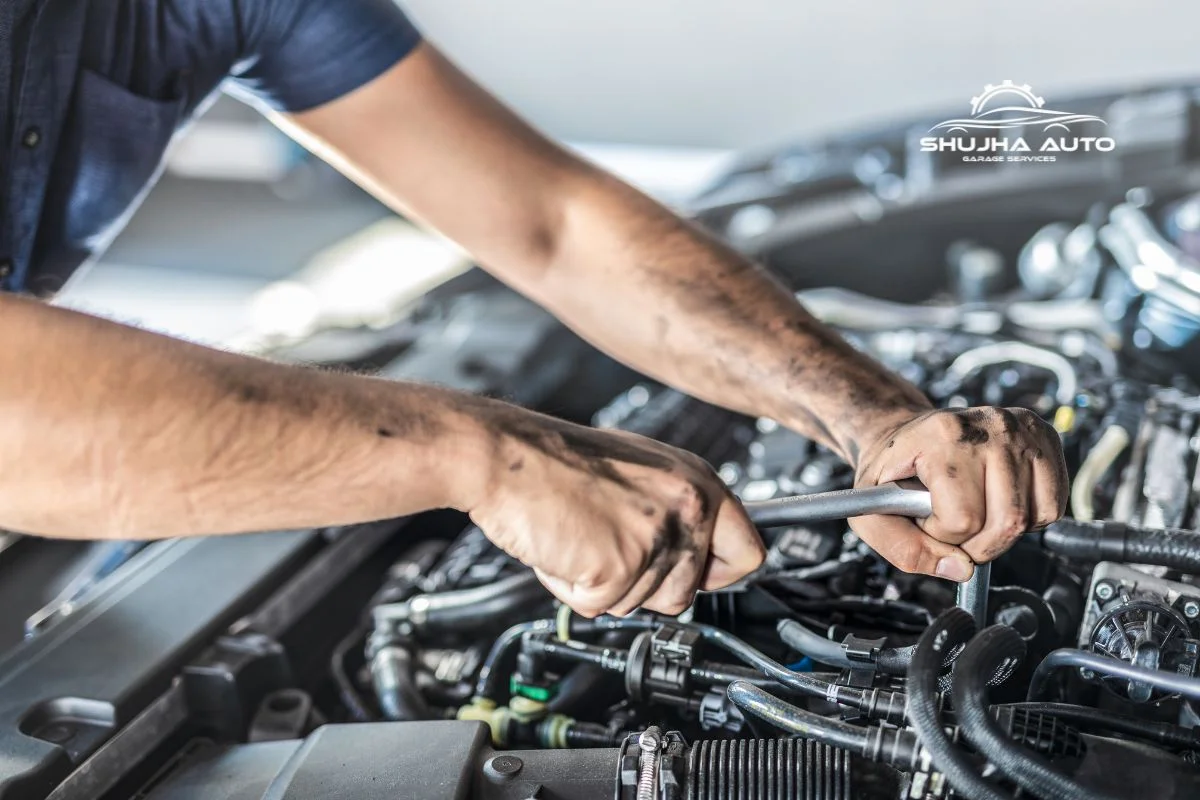
At Auto Garage Services, gearbox inspection may include:
- Checking gearbox or transmission fluid level
- Inspecting fluid color and smell
- Checking for fluid leaks
- Scanning fault codes
- Road testing if safe
- Listening to noise during shifting
- Checking clutch operation in manual cars
- Inspecting transmission mounts
- Checking driveshaft and related parts
- Inspecting gearbox condition
- Explaining repair options clearly
This helps find whether the problem is fluid-related, clutch-related, electronic, drivetrain-related, or internal gearbox damage.
Common Gearbox Noise Solutions
The right solution depends on the cause of the noise. Not every noisy gearbox needs full replacement.
Transmission Fluid Service
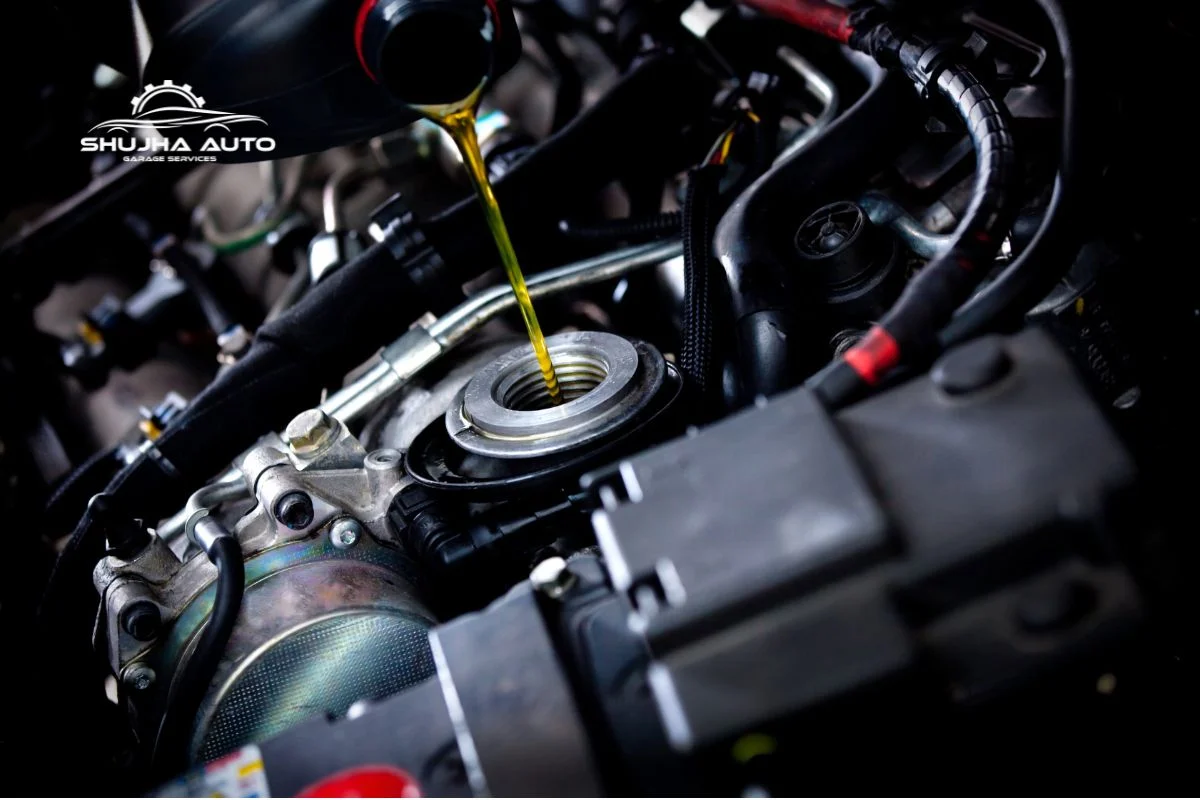
If the noise is caused by low, dirty, or old fluid, a fluid service may help. The correct fluid type must be used according to the vehicle manufacturer.
Leak Repair
If fluid is leaking, the leak source must be repaired. Common leak points include seals, gaskets, transmission pan, drain plug, and cooler lines.
Clutch Repair
For manual cars, clutch repair may be needed if the noise is related to the clutch plate, pressure plate, release bearing, or clutch adjustment.
Bearing Replacement
If gearbox bearings are worn, they may need replacement. This usually requires gearbox opening and proper inspection.
Mount Replacement
If the noise is caused by worn transmission mounts, replacing the mount can reduce clunking and vibration.
Gearbox Internal Repair
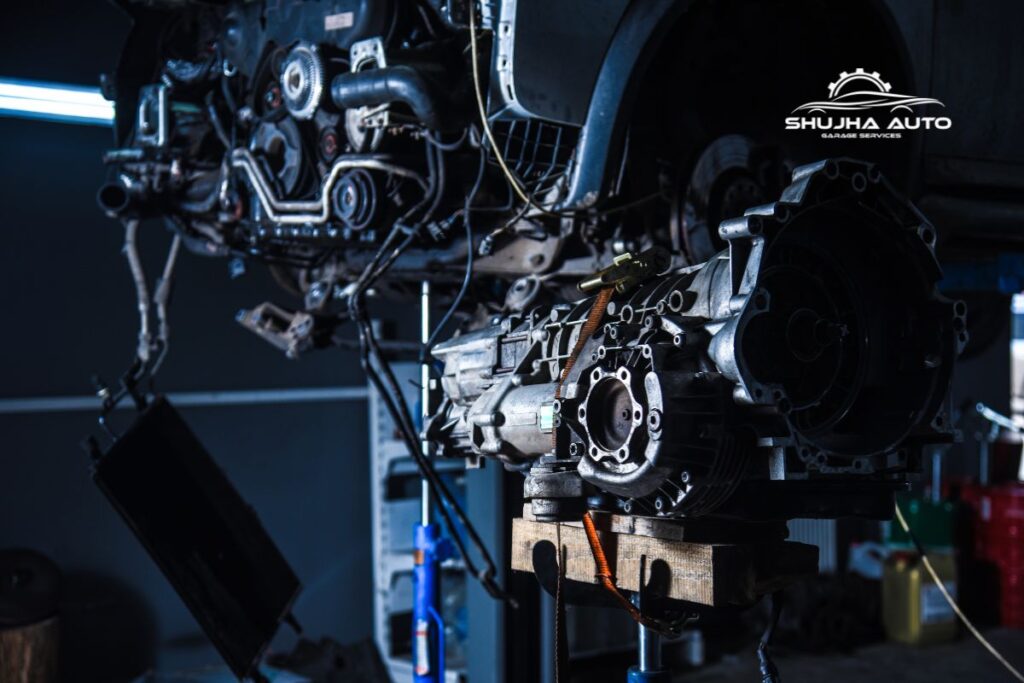
If internal gears, synchronizers, shafts, or clutch packs are damaged, gearbox repair may be required.
Gearbox Replacement
If the gearbox is badly damaged, replacement may be more practical than repair. This depends on the car model, repair cost, and gearbox condition.
How to Prevent Gearbox Noise
Good maintenance can reduce the chance of gearbox noise and transmission failure.
Change Fluid on Time
Transmission fluid or gearbox oil should be changed according to the recommended service schedule. Old fluid loses protection and can cause wear.
Fix Leaks Early
Even a small fluid leak can become serious. Low fluid can quickly damage internal gearbox parts.
Avoid Aggressive Driving
Hard acceleration, sudden shifting, and rough driving can put extra stress on the gearbox.
Use the Correct Fluid
Always use the correct transmission fluid or gear oil. Wrong fluid can cause poor lubrication, rough shifting, and damage.
Do Not Ignore Small Noises
Small sounds often appear before major failure. Early inspection can save money.
Service the Car Regularly
Regular car maintenance helps detect gearbox, engine, clutch, and drivetrain problems before they become serious.
Are Gearbox Noise Repairs Expensive?
The repair cost depends on the cause. A low fluid level, small leak, or worn mount may be simple to fix. A clutch issue may cost more. Internal gearbox damage, worn gears, or transmission failure can be expensive.
This is why early inspection is important. If the problem is caught early, you may avoid major gearbox repair or replacement.
A proper diagnostic check helps understand the exact issue before spending money on parts.
Are There Any Hidden Fees or Charges?
A trusted garage should explain the issue before starting repair. You should know what is making the noise, what repair is needed, how urgent it is, and what the estimated cost will be.
Auto Garage Services focuses on clear diagnosis and honest repair guidance. The goal is to explain the problem in simple words and help the customer make the right decision.
Free Diagnostic Check for Gearbox Noise
If your gearbox is making noise, a diagnostic check can help identify the source. Many sounds can seem like gearbox noise but may actually come from the clutch, mounts, driveshaft, differential, or wheel bearings.
Auto Garage Services can inspect gearbox noise, transmission fluid condition, clutch operation, mounts, fault codes, leaks, and related drivetrain parts.
This type of inspection is helpful if your car has whining, grinding, clunking, humming, hard shifting, gear slipping, or warning lights.
Why Choose Auto Garage Services?
Auto Garage Services provides gearbox diagnostic service, transmission inspection, automatic transmission repair, manual gearbox repair, clutch inspection, transmission fluid service, and car maintenance service.
If your car gearbox is making noise, the team can inspect the issue, explain the reason clearly, and recommend the right solution. This helps avoid guesswork and unnecessary repairs.
Drivers choose Auto Garage Services because of experienced technicians, proper diagnostic tools, clear communication, practical repair advice, and customer-focused service.
When Should You Visit Auto Garage Services?
You should visit Auto Garage Services if your gearbox makes whining, grinding, humming, clunking, knocking, or clicking sounds.
You should also get the car checked if the noise comes with:
- Hard shifting
- Delayed shifting
- Gear slipping
- Burning smell
- Fluid leak
- Vibration
- Warning lights
Early gearbox inspection can prevent major transmission damage and save you from expensive repairs.
FAQs
1. Why is my car gearbox making noise?
Your car gearbox may make noise because of low transmission fluid, dirty gearbox oil, worn bearings, damaged gears, clutch problems, faulty synchronizers, torque converter issues, loose mounts, or internal transmission wear.
2. Is it safe to drive with gearbox noise?
It depends on the noise. If the sound is light and the car shifts normally, you may drive carefully to a garage. But if the noise is loud, grinding, knocking, or linked with slipping, warning lights, or fluid leaks, it is not safe to keep driving.
3. Why does my gearbox make a whining noise?
A whining noise may be caused by low transmission fluid, worn bearings, faulty transmission pump, torque converter issues, or internal gearbox wear. A proper inspection is needed to confirm the exact cause.
4. Why does my gearbox grind when changing gears?
Grinding while changing gears is common in manual cars and may be caused by clutch problems, worn synchronizers, low gear oil, or damaged gears. It should be checked before the damage becomes worse.
5. Can low transmission fluid cause gearbox noise?
Yes, low transmission fluid or gearbox oil can cause whining, grinding, overheating, hard shifting, and internal wear. The fluid level should be checked, and any leak should be repaired.
6. Why does my automatic transmission make noise?
Automatic transmission noise can come from low fluid, dirty fluid, torque converter problems, worn bearings, faulty pump, solenoid issues, or internal transmission wear. Diagnostic scanning and fluid inspection are important.
7. Can a bad clutch cause gearbox noise?
Yes, in manual cars, a bad clutch, release bearing, pressure plate, or clutch adjustment issue can create noise during gear changes or when pressing the clutch pedal.
8. How much does gearbox noise repair cost?
The cost depends on the cause. A fluid service, mount replacement, or small leak repair may cost less, while internal gearbox repair or replacement can cost more. Inspection is needed before giving an accurate estimate.
9. Can gearbox noise go away after fluid change?
If the noise is caused by low or dirty fluid, a fluid change may help. But if the gearbox has worn bearings, damaged gears, or internal wear, fluid change alone may not solve the problem.
10. Does Auto Garage Services inspect gearbox noise?
Yes, Auto Garage Services can inspect gearbox noise and related problems. The team can check transmission fluid, leaks, clutch operation, mounts, fault codes, drivetrain parts, and gearbox condition.
Final Words
A noisy gearbox is an early warning sign that something may be wrong with your transmission system. Whining, grinding, clunking, humming, or knocking sounds can happen because of low fluid, dirty oil, worn bearings, damaged gears, clutch problems, torque converter issues, loose mounts, or internal gearbox wear.
The sooner you inspect the problem, the better chance you have of avoiding major gearbox repair. If your gearbox is making noise, shifting roughly, slipping, leaking fluid, or showing warning lights, visit Auto Garage Services for gearbox diagnostic service, transmission inspection, automatic transmission repair, manual gearbox repair, clutch inspection, or car maintenance service.