


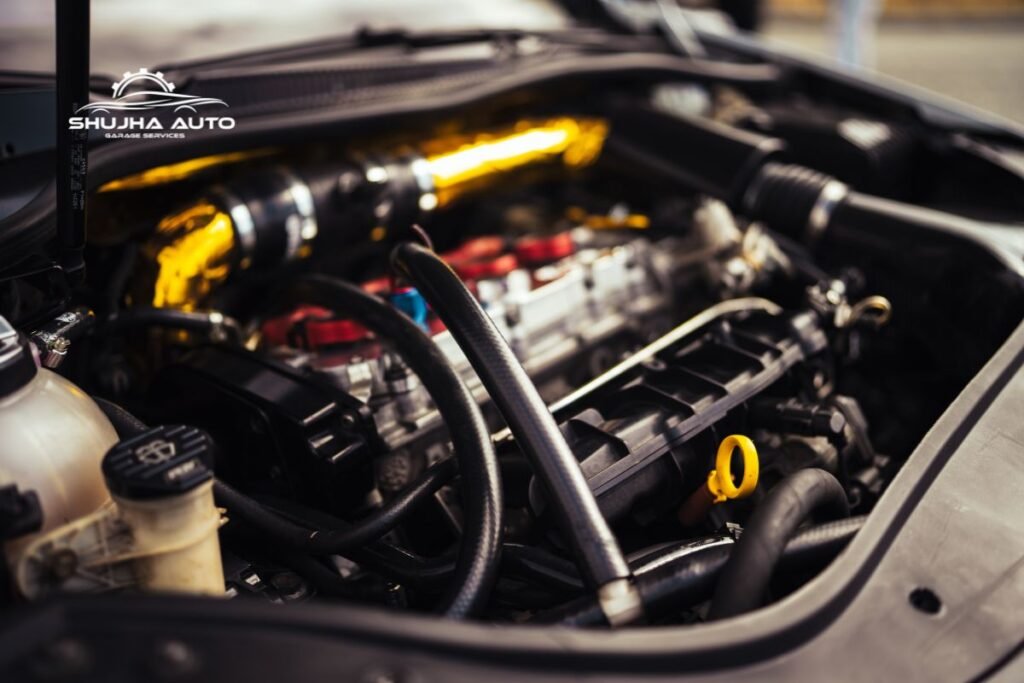
Turbo engines are very common in modern cars. Many small cars, SUVs, luxury vehicles, and performance cars now use turbocharged engines because they can produce more power without needing a very large engine. But many drivers still do not fully understand how a turbo engine works, why it feels powerful, and what problems can happen if it is not maintained properly.
A turbo engine uses exhaust gas energy to push more air into the engine. More air means the engine can burn more fuel properly and produce more power. This is why a smaller turbo engine can sometimes feel stronger than a larger non-turbo engine.
In this guide, we will explain how a turbo engine works, what a turbocharger does, the main parts of a turbo system, benefits, common turbo problems, warning signs, maintenance tips, and when you should visit Auto Garage Services for turbo inspection, engine diagnostic service, turbocharger repair, engine repair service, or car maintenance service.
Quick Answer: How Does a Turbo Engine Work?
A turbo engine works by using exhaust gases to spin a turbine. This turbine is connected to a compressor wheel. When the turbine spins, the compressor pulls in fresh air, compresses it, and sends it into the engine. This extra compressed air helps the engine burn fuel more efficiently and produce more power.
In simple words, a turbocharger helps the engine breathe better. Instead of only using normal air pressure, the turbo forces more air into the engine. This creates more power, better acceleration, and improved engine performance when the system is working correctly.
What Is a Turbocharger?
A turbocharger is a device connected to the engine and exhaust system. Its main job is to increase the amount of air entering the engine. It does this by using exhaust gases that would normally leave the car through the exhaust pipe.
A turbocharger has two main sides:
- Turbine side
- Compressor side
The turbine side is connected to the exhaust gases. The compressor side is connected to the air intake system. Both sides are connected by a shaft. When exhaust gases spin the turbine, the shaft spins the compressor wheel at very high speed.
This process creates boost pressure, which pushes more air into the engine.
Why Do Cars Use Turbo Engines?
Cars use turbo engines because they can produce more power from a smaller engine. For example, a small turbocharged engine can sometimes deliver power similar to a larger engine, while still offering better fuel economy in normal driving.
Manufacturers use turbo engines for many reasons:
- More power from smaller engines
- Better acceleration
- Improved fuel efficiency
- Lower engine weight
- Better performance at different speeds
- Stronger torque in daily driving
- Better balance between economy and performance
This is why many modern cars now come with turbo engines instead of large naturally aspirated engines.
Turbo Engine vs Normal Engine
A normal engine, also called a naturally aspirated engine, pulls air into the engine using normal atmospheric pressure. A turbo engine forces extra air into the engine using boost pressure.
Normal Engine
A normal engine depends only on natural air intake. It can be reliable and simple, but if you want more power, the engine usually needs to be bigger.
Turbo Engine
A turbo engine uses a turbocharger to compress air before sending it into the engine. This allows a smaller engine to produce more power.
The main difference is airflow. A turbo engine gets more compressed air, which helps create more power when needed.
Main Parts of a Turbo Engine System
A turbo system has several important parts. If any of these parts fail, the car may lose power, smoke, make noise, or show warning lights.
Turbocharger
The turbocharger is the main component. It contains the turbine wheel, compressor wheel, shaft, and housing. It spins at very high speed and must receive proper lubrication from engine oil.
Intercooler
When air is compressed, it becomes hot. Hot air is less dense and not ideal for performance. The intercooler cools the compressed air before it enters the engine.
Cooler air helps the engine produce better power and reduces the risk of knocking or overheating.
Wastegate
The wastegate controls boost pressure. It allows some exhaust gases to bypass the turbine when boost pressure becomes too high. This protects the turbo and engine from overboost.
Blow-Off Valve or Diverter Valve
This valve releases or redirects extra pressure when you lift off the accelerator. It helps protect the turbo system and improves response.
Boost Pipes and Hoses
Boost pipes carry compressed air from the turbo to the intercooler and engine. If a pipe leaks or cracks, the car may lose power.
Engine Oil Supply
Turbochargers spin very fast and become extremely hot. They need clean engine oil for lubrication and cooling. Dirty oil or low oil can damage the turbo quickly.
Step-by-Step: How a Turbo Engine Works
A turbo engine may sound complicated, but the process is easy to understand when explained step by step.
Step 1: Engine Produces Exhaust Gas
When the engine burns fuel and air, it creates exhaust gases. In a normal car, these gases leave through the exhaust system. In a turbo engine, these gases are first used to spin the turbo turbine.
Step 2: Exhaust Gas Spins the Turbine
The exhaust gases pass through the turbine housing and spin the turbine wheel. The faster the exhaust gases move, the faster the turbine spins.
This is why turbo engines usually produce stronger boost when the engine speed increases.
Step 3: Turbine Spins the Compressor
The turbine wheel is connected to the compressor wheel by a shaft. When the turbine spins, the compressor wheel also spins.
The compressor wheel pulls in fresh air from the intake system.
Step 4: Compressor Pressurizes the Air
The compressor squeezes the air and increases its pressure. This is called boost pressure.
Compressed air contains more oxygen than normal air. More oxygen allows the engine to burn more fuel properly and produce more power.
Step 5: Intercooler Cools the Air
Compressed air becomes hot. Before it enters the engine, it usually passes through the intercooler. The intercooler reduces the air temperature.
Cooler air is better for performance because it is denser and safer for combustion.
Step 6: Air Enters the Engine
The cooled compressed air enters the engine through the intake manifold. The ECU adjusts fuel injection and ignition timing according to the air pressure, temperature, and engine load.
Step 7: Engine Produces More Power
Because the engine receives more air, it can burn more fuel efficiently and create more power. This gives better acceleration and stronger performance.
What Is Turbo Boost?
Turbo boost is the extra air pressure created by the turbocharger. This pressure helps push more air into the engine.
Without boost, the engine receives air normally. With boost, the engine receives compressed air. This is why the car feels stronger when the turbo starts working.
Boost pressure must be controlled carefully. Too little boost can reduce power. Too much boost can damage the engine. That is why parts like the wastegate, sensors, ECU, and boost control system are important.
What Is Turbo Lag?
Turbo lag is the short delay before the turbo produces boost. When you press the accelerator, the engine needs to create enough exhaust gas to spin the turbo. Until the turbo reaches the right speed, there may be a small delay.
Modern turbo engines are designed to reduce turbo lag. Many cars use smaller turbos, twin-scroll turbos, variable geometry turbos, or advanced ECU control to improve response.
Turbo lag is normal in many turbo cars, but excessive delay may be a sign of a boost leak, faulty sensor, weak turbo, or engine issue.
Benefits of a Turbo Engine
Turbo engines offer several benefits when they are designed and maintained properly.
More Power From a Smaller Engine
A turbo helps a smaller engine produce more power. This gives better acceleration without needing a large engine.
Better Fuel Economy
In normal driving, a smaller turbo engine may use less fuel than a larger engine. However, fuel economy depends on driving style. If you drive aggressively and use boost often, fuel consumption can increase.
Stronger Torque
Turbo engines often produce strong torque at lower RPM. This makes the car feel responsive in city driving and highway overtaking.
Better Performance at Higher Altitudes
Turbocharged engines can perform better than normal engines at higher altitudes because the turbo helps push more air into the engine.
Improved Driving Experience
A healthy turbo engine can feel smooth, quick, and powerful. Many drivers like the strong acceleration when boost builds.
Common Turbo Engine Problems
Turbo engines are powerful, but they also need proper care. Because the turbo works at high speed and high temperature, small problems can become serious if ignored.
Boost Leak
A boost leak happens when compressed air escapes before reaching the engine. This may happen because of cracked hoses, loose clamps, damaged intercooler, or leaking boost pipes.
Common signs include:
- Loss of power
- Whistling sound
- Poor acceleration
- Check engine light
- Higher fuel consumption
- Black smoke in some cases
A boost leak should be inspected quickly because the engine may not receive the correct air pressure.
Turbo Oil Leak
Turbochargers need engine oil for lubrication. If turbo seals become worn or oil lines are blocked, oil may leak into the intake or exhaust side.
Signs of turbo oil leak include blue smoke, oil smell, low oil level, and oily pipes.
A turbo oil leak should not be ignored because low oil can damage both the turbo and engine.
Worn Turbo Bearings
Turbo bearings support the spinning shaft inside the turbocharger. If the bearings wear out, the turbo may make whining, siren-like, or grinding noise.
Worn bearings can happen due to dirty oil, low oil pressure, delayed oil changes, or high mileage.
Faulty Wastegate
A faulty wastegate can cause boost pressure problems. If it stays open, the car may feel weak. If it stays closed, boost pressure may become too high.
Symptoms may include poor power, overboost warning, limp mode, or check engine light.
Intercooler Problems
The intercooler cools compressed air. If it is damaged, blocked, or leaking, engine performance may drop.
A damaged intercooler can cause boost loss, overheating air temperature, poor acceleration, and warning lights.
Carbon Buildup
Some turbo engines, especially direct injection engines, can develop carbon buildup in the intake system. This can affect airflow and engine performance.
Signs may include rough idle, hesitation, poor fuel economy, and reduced power.
Overheating Turbo
Turbochargers become very hot during driving. If cooling or oil supply is poor, the turbo can overheat. Heat can damage seals, bearings, and internal parts.
Signs Your Turbo Engine Has a Problem
Turbo problems often show warning signs before complete failure. You should not ignore these symptoms.
Loss of Power
If your car feels weak or slow, the turbo may not be producing proper boost. This can happen due to boost leak, faulty wastegate, bad sensor, or turbo wear.
Whistling or Siren Noise
A light turbo whistle can be normal in some cars, but a loud siren-like noise may indicate turbo bearing wear, air leak, or damaged turbo blades.
Blue or Black Smoke
Blue smoke may mean oil is entering the intake or exhaust through worn turbo seals. Black smoke may mean too much fuel or not enough air, possibly due to boost leak or airflow issue.
Burning Oil Smell
A burning oil smell may indicate oil leakage near hot turbo or exhaust components.
Check Engine Light
Turbo-related faults can trigger the check engine light. Fault codes may be related to boost pressure, airflow, oxygen sensor, wastegate, or engine performance.
High Fuel Consumption
If the turbo system is not working properly, the engine may use more fuel. This can happen due to boost leaks, sensor issues, or poor combustion.
Limp Mode
Some cars enter limp mode when boost pressure is too high or too low. This protects the engine from damage but limits power.
Can You Drive With a Bad Turbo?
You may be able to drive slowly for a short distance if the turbo problem is minor, but driving with a bad turbo is risky. If the turbo is leaking oil, making loud noise, smoking heavily, or causing limp mode, it is better to stop driving and get the car checked.
A failing turbo can damage the engine if broken parts enter the intake or if oil supply is affected. Also, low oil caused by a turbo leak can damage the engine internally.
If your car has turbo warning signs, visit Auto Garage Services for turbo inspection and engine diagnostic service before the issue becomes expensive.
What Happens During Turbo Inspection?
A proper turbo inspection helps find the actual cause of the problem. Not every loss of power means the turbo itself is bad. Sometimes the issue is a hose leak, sensor fault, clogged air filter, exhaust restriction, or ECU-related fault.
At Auto Garage Services, turbo inspection may include:
- Checking fault codes
- Inspecting boost pressure
- Checking boost pipes and hoses
- Inspecting intercooler condition
- Checking turbo oil leaks
- Inspecting air intake system
- Checking wastegate operation
- Inspecting smoke symptoms
- Checking engine oil level and condition
- Road testing if safe
This helps avoid unnecessary turbo replacement and finds the real problem.
Turbo Engine Maintenance Tips
Turbo engines can last a long time if they are maintained properly. The most important thing is clean oil, correct driving habits, and early inspection when symptoms appear.
Change Engine Oil on Time
Engine oil is very important for turbocharger life. Dirty or old oil can damage turbo bearings and seals. Always change oil on time and use the correct oil grade.
Let the Engine Warm Up
Avoid hard acceleration immediately after starting the car. Let the oil circulate properly before using heavy boost.
Avoid Switching Off Immediately After Hard Driving
After fast driving or long highway driving, allow the engine to idle for a short time before switching off. This helps the turbo cool down and prevents oil from overheating inside the turbo.
Check Air Filter Condition
A dirty air filter can reduce airflow and affect turbo performance. Replace the air filter according to service schedule.
Fix Boost Leaks Early
Small boost leaks can affect performance and fuel economy. If you hear unusual whistle sounds or feel power loss, get it checked.
Use Quality Fuel
Poor fuel quality can affect combustion, performance, and engine health. Use suitable fuel for your vehicle.
Do Not Ignore Warning Lights
If the check engine light appears, scan the car early. Turbo-related faults can become worse if ignored.
Are Turbo Engines Expensive to Repair?
Turbo engine repair cost depends on the problem. A cracked hose, loose clamp, sensor issue, or boost leak may be simple to fix. But a damaged turbocharger, worn bearing, broken wastegate, or oil seal failure can cost more.
The best way to reduce repair cost is early inspection. Many turbo problems start small. If you fix them early, you may avoid complete turbocharger replacement.
A proper diagnosis is important before replacing the turbo. Sometimes the turbo is blamed when the actual problem is a leak, sensor, dirty air filter, or exhaust issue.
Are There Any Hidden Fees or Charges?
A trusted garage should explain the problem before starting repair. You should know whether the issue is a boost leak, oil leak, sensor fault, wastegate problem, intercooler issue, or turbocharger failure.
Auto Garage Services focuses on clear inspection and honest repair guidance. The goal is to explain the issue in simple words, recommend the right service, and avoid unnecessary replacement.
Free Diagnostic Check for Turbo Engine Problems
If your turbo engine is losing power, smoking, making noise, or showing warning lights, a diagnostic check can help identify the issue.
For turbo-related problems, Auto Garage Services can inspect the turbocharger, boost pipes, intercooler, intake system, oil leaks, sensors, engine codes, and related engine performance issues.
This type of check is helpful if your car has poor acceleration, high fuel consumption, blue smoke, black smoke, turbo noise, or limp mode.
Why Choose Auto Garage Services?
Auto Garage Services provides turbo inspection, engine diagnostic service, turbocharger repair, engine repair service, oil leak inspection, and car maintenance service for drivers who want reliable car care.
If your turbo engine has power loss, boost issues, smoke, oil leakage, warning lights, or unusual noise, the team can inspect the system and explain the problem clearly.
Drivers choose Auto Garage Services because of experienced technicians, proper diagnostic tools, clear communication, practical repair advice, and customer-focused service.
When Should You Visit Auto Garage Services?
You should visit Auto Garage Services if your turbo engine feels weak, makes a loud whistle or siren sound, produces blue or black smoke, smells like burning oil, shows check engine light, enters limp mode, or uses more fuel than normal.
You should also get the car checked if the turbo problem appears after an oil change, engine repair, air filter replacement, or long-distance driving. Early inspection can protect both the turbocharger and engine.
FAQs
1. How does a turbo engine work in simple words?
A turbo engine uses exhaust gases to spin a turbine. This turbine spins a compressor that pushes more air into the engine. More air helps the engine burn fuel better and produce more power.
2. What is the main benefit of a turbo engine?
The main benefit of a turbo engine is more power from a smaller engine. It can also improve fuel economy during normal driving, depending on the car, driving style, and maintenance condition.
3. Is a turbo engine better than a normal engine?
A turbo engine is better if you want more power, stronger acceleration, and better efficiency from a smaller engine. A normal engine may be simpler and sometimes cheaper to maintain. The better choice depends on your driving needs.
4. What causes turbo failure?
Turbo failure can happen because of dirty engine oil, low oil level, oil starvation, boost leaks, overheating, worn bearings, faulty wastegate, damaged intercooler, or poor maintenance.
5. What are the signs of a bad turbo?
Common signs of a bad turbo include loss of power, loud whining or siren noise, blue smoke, black smoke, burning oil smell, high fuel consumption, check engine light, and limp mode.
6. Can I drive with a bad turbo?
It is not recommended to keep driving with a bad turbo. If the turbo is leaking oil, making loud noise, smoking heavily, or causing limp mode, continuing to drive can damage the engine and increase repair costs.
7. Why does a turbo engine need good oil?
A turbocharger spins at very high speed and becomes extremely hot. It needs clean engine oil for lubrication and cooling. Dirty or low oil can damage turbo bearings and seals.
8. What is turbo lag?
Turbo lag is the short delay before the turbo produces boost. It happens because the turbo needs exhaust gas flow to spin fast enough. Modern turbo systems are designed to reduce this delay.
9. Can a boost leak reduce engine power?
Yes, a boost leak can reduce engine power because compressed air escapes before reaching the engine. This can cause weak acceleration, whistling sound, warning lights, and higher fuel consumption.
10. Does Auto Garage Services inspect turbo engine problems?
Yes, Auto Garage Services can inspect turbo engine problems. The team can check boost pressure, turbo oil leaks, intercooler condition, boost pipes, sensors, fault codes, and related engine performance issues.
Final Words
A turbo engine works by using exhaust gas energy to force more air into the engine. This extra air helps the engine produce more power and better acceleration. That is why many modern cars use turbocharged engines.
Turbo engines can be powerful and efficient, but they need proper maintenance. Clean engine oil, correct oil grade, good air filter condition, and early inspection are very important for turbocharger life.
If your turbo engine has loss of power, smoke, oil leak, loud noise, burning smell, warning light, limp mode, or high fuel consumption, visit Auto Garage Services for turbo inspection, engine diagnostic service, turbocharger repair, engine repair service, or car maintenance service.