Buying a used car can be a smart decision, but only if you inspect it properly before paying. Many used cars look clean from outside, but they may have hidden engine problems, gearbox issues, accident repairs, odometer tampering, AC faults, brake problems, or electrical issues. If you miss these warning signs, you may end up spending a lot on repairs after purchase.
A used car inspection is not only about checking the body paint or taking a short test drive. You need to check the engine, transmission, suspension, brakes, tyres, AC, electronics, service history, accident history, documents, and overall driving condition. A proper inspection helps you understand whether the car is worth buying or not.
In this guide, we will explain the most important things to check before buying a used car, warning signs to avoid, test drive tips, document checks, and when to visit Auto Garage Services for pre-purchase car inspection, engine diagnostic service, gearbox inspection, brake inspection, AC inspection, and car maintenance service.
Quick Answer: What Should You Check Before Buying a Used Car?
Before buying a used car, you should check the engine condition, gearbox performance, accident history, service records, mileage, tyres, brakes, AC cooling, suspension, battery, fluids, warning lights, body paint, interior condition, electronics, and vehicle documents.
You should also take a proper test drive and get a professional pre-purchase inspection. A car may look good from outside but still have hidden problems. A detailed inspection can save you from expensive repairs after buying.
Why Used Car Inspection Is Important
A used car has already been driven by someone else. You may not know how it was maintained, whether it was involved in an accident, or whether the previous owner ignored repairs. Some sellers clean the car very well before showing it, but cleaning does not mean the car is mechanically healthy.
A used car inspection helps you find:
- Hidden engine problems
- Gearbox or transmission issues
- Accident repair signs
- Odometer or mileage doubts
- Brake and tyre condition
- Suspension wear
- AC system problems
- Fluid leaks
- Electrical faults
- Future repair costs
This gives you better control during negotiation and helps you avoid buying a car that may become expensive later.
Check the Car Body and Paint Condition
The first thing most buyers notice is the exterior. A clean body is good, but you should look deeper than shine and polish.
Look for Accident Repair Signs
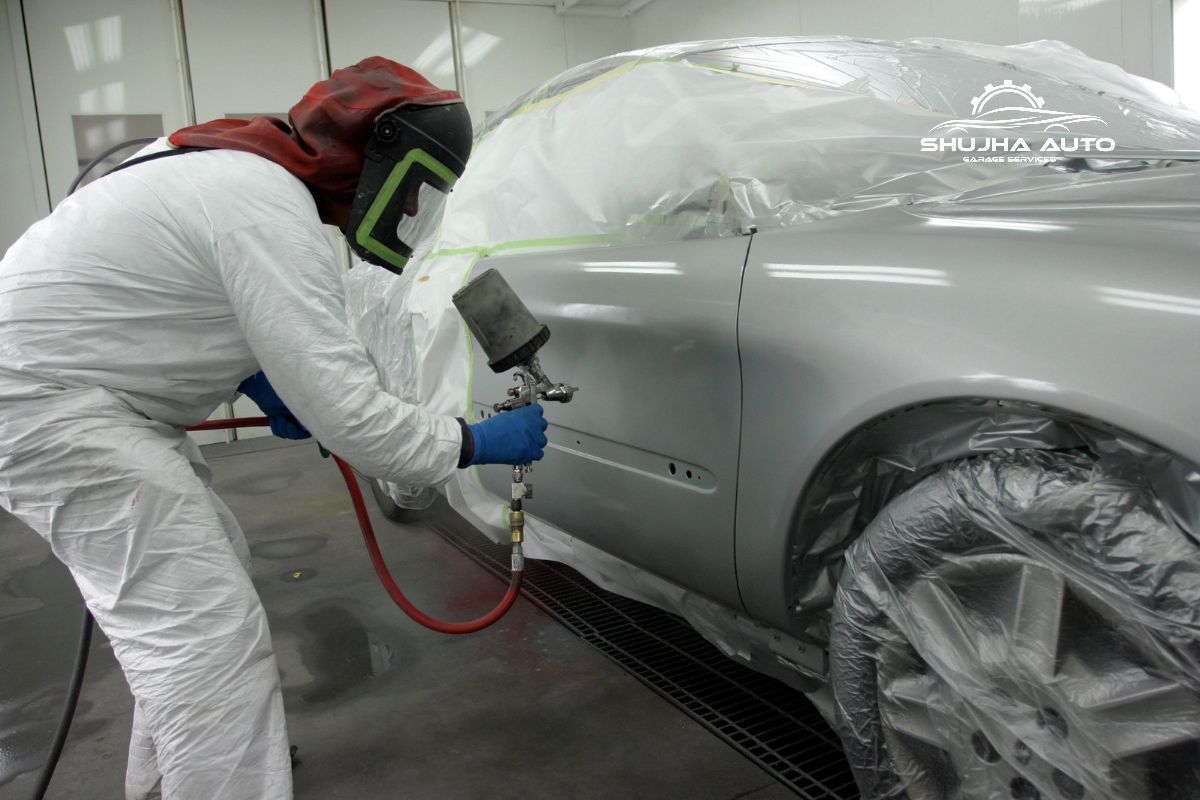
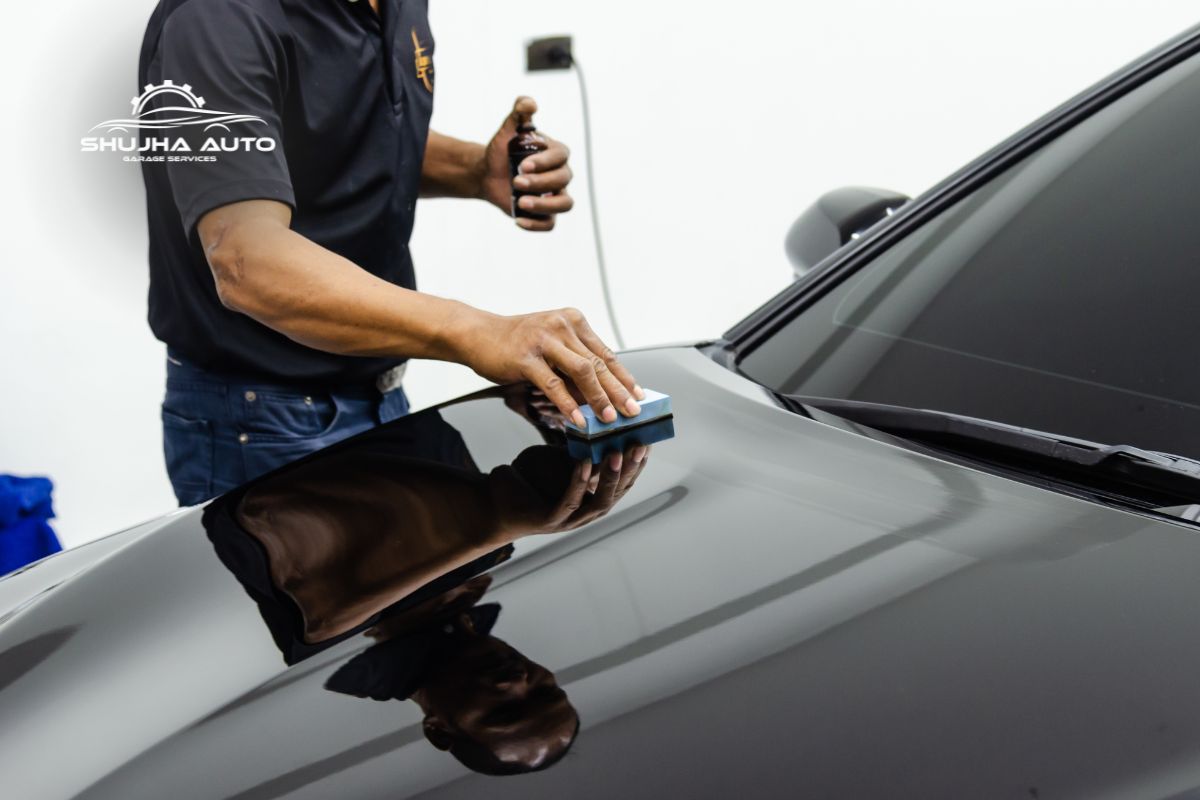
Check the car from different angles in daylight. Look for color differences between panels, uneven gaps, rough paint texture, overspray, dents, scratches, and panels that do not align properly.
Accident repair signs may include:
- Different paint shade on one panel
- Uneven bumper or door gaps
- Fresh paint on one side only
- Paint overspray near rubber trims
- Rough finishing around edges
- Replaced headlights or tail lights
- Weld marks or damaged frame areas
Small paint repairs are common in used cars, but major accident repair should be inspected carefully before buying.
Check Rust and Underbody Damage
Rust is not always visible from outside. Check door edges, wheel arches, underbody, boot area, and around the engine bay. Rust can weaken body structure and become expensive to repair.
Also check under the car for signs of impact, oil leaks, damaged shields, or bent parts.
Check the Engine Condition
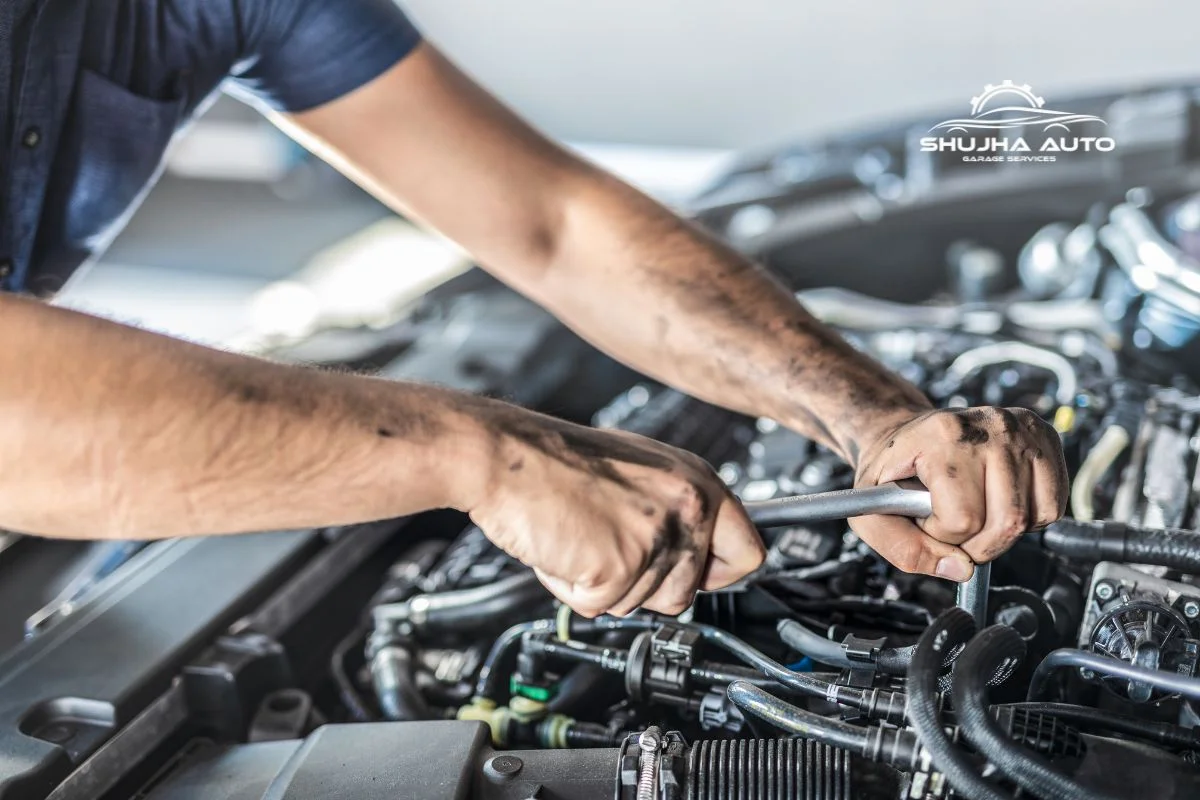
The engine is one of the most important and expensive parts of the car. A used car with engine problems can become a costly mistake.
Start the Engine Cold
Try to inspect the car when the engine is cold. A cold start can reveal problems that may disappear after the engine warms up.
During cold start, check for:
- Hard starting
- Rough idle
- Knocking noise
- Excessive smoke
- Warning lights
- Engine shaking
- Burning smell
A healthy engine should start smoothly and settle into a stable idle.
Check for Engine Smoke
Smoke from the exhaust can tell a lot about engine health.
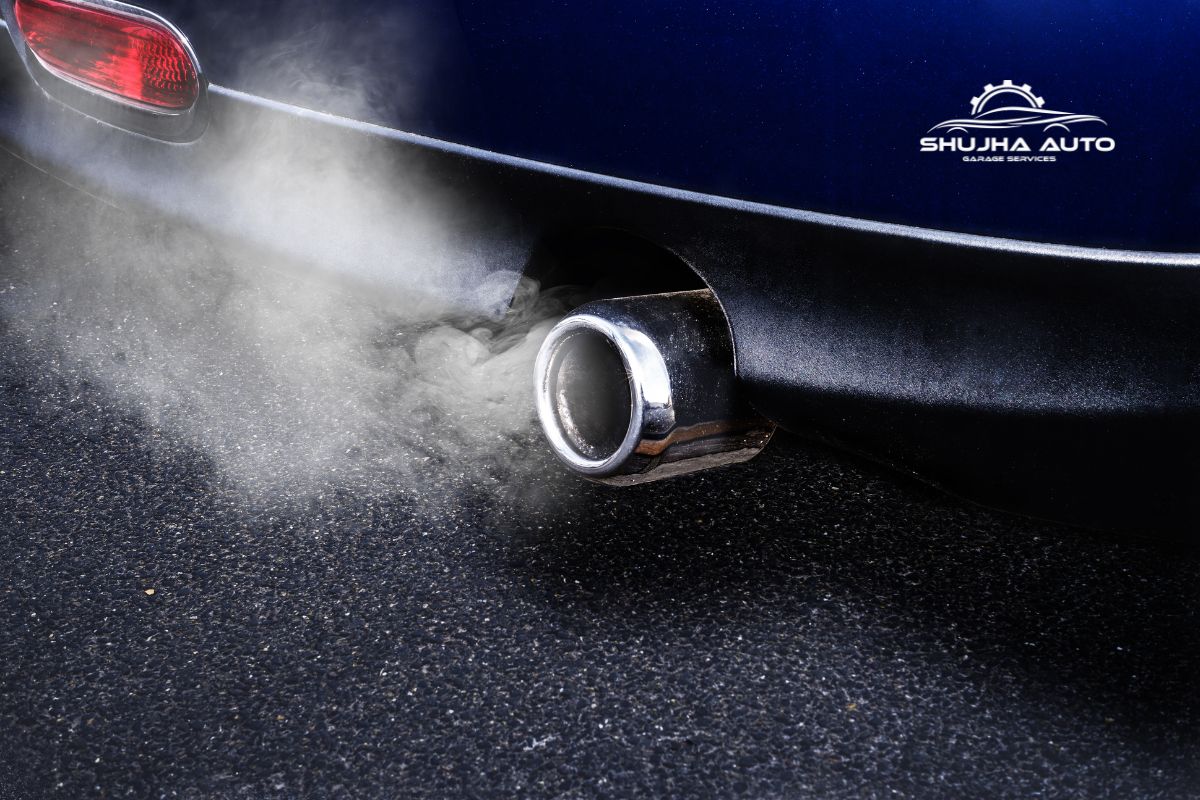
Blue smoke may mean the engine is burning oil. White smoke after warm-up may indicate coolant entering the engine. Black smoke may mean fuel mixture problems, bad sensors, or poor combustion.
A small amount of vapor during cold start can be normal, but continuous smoke should not be ignored.
Look for Oil Leaks
Open the bonnet and check around the engine. Look for wet oil marks, oily dirt, oil dripping, or burning oil smell.
Common leak areas include:
- Valve cover gasket
- Oil pan
- Oil filter area
- Engine seals
- Turbo area if applicable
- Drain plug area
Engine oil leaks can be small, but they may point to poor maintenance or worn seals.
Check Gearbox and Transmission
Gearbox repair can be expensive, especially in automatic, CVT, or luxury vehicles. Always check how the car shifts during test drive.
Automatic Gearbox Check
If the car has automatic transmission, check for smooth shifting. There should be no strong jerking, slipping, delay, or unusual noise.
Warning signs include:
- Delay when shifting from Park to Drive
- Delay when shifting to Reverse
- Gear slipping
- Hard shifting
- Jerking during acceleration
- Burning smell
- Transmission warning light
- Whining or humming noise
These symptoms may indicate low fluid, dirty fluid, valve body issues, sensor faults, torque converter problems, or internal transmission wear.
Manual Gearbox Check
If the car has manual transmission, check clutch and gear shifting carefully. The gear should engage smoothly without grinding.
Watch for:
- Hard gear shifting
- Grinding noise
- Clutch slipping
- High clutch biting point
- Vibration when releasing clutch
- Noise when pressing clutch pedal
A weak clutch may need replacement soon, which can increase your cost after purchase.
CVT Gearbox Check
If the car has CVT transmission, check for smooth acceleration. CVT should not jerk, shake, slip, or make loud whining noise.
CVT repairs can be costly, so a professional gearbox inspection is strongly recommended before buying.
Auto Garage Services can help with gearbox inspection, transmission diagnostic service, CVT inspection, and automatic transmission repair guidance before you finalize the used car.
Check Mileage and Service History
Mileage is important, but service history is even more important. A low-mileage car with poor maintenance can be worse than a high-mileage car with proper service records.
Check Service Records
Ask for previous service records, oil change history, repair invoices, and inspection reports. A well-maintained car should have regular service proof.
Look for records of:
- Engine oil changes
- Transmission service
- Brake replacement
- Tyre replacement
- Battery replacement
- AC service
- Major repairs
- Accident repairs
If the seller cannot show any service history, inspect the car more carefully.
Check Mileage Consistency
Mileage should match the car condition. If the mileage is low but the steering wheel, seats, pedals, gear knob, and buttons look heavily worn, there may be a doubt.
Mileage tampering can happen, so do not trust the odometer only. Judge the car by condition, records, and inspection.
Check Tyres and Wheels
Tyres can show how the car was driven and maintained. Poor tyre condition may also point to alignment, suspension, or accident issues.
Check for:
- Uneven tyre wear
- Cracks
- Bulges
- Low tread depth
- Different tyre brands
- Old tyre manufacturing date
- Vibration while driving
- Car pulling to one side
Uneven tyre wear may mean wheel alignment problems, worn suspension parts, or chassis damage.
Check Brakes
Brakes are directly connected to safety. A used car should stop smoothly without noise, vibration, or pulling.
During inspection and test drive, check for:
- Squeaking noise
- Grinding noise
- Soft brake pedal
- Brake vibration
- Car pulling while braking
- Brake warning light
- Long stopping distance
Brake repairs may include pads, discs, brake fluid, calipers, or brake lines. Auto Garage Services can inspect the brake system before you buy the car.
Check Suspension and Steering
Suspension problems can make the car uncomfortable and unsafe. They can also be expensive depending on the vehicle.
Suspension Warning Signs
During the test drive, listen and feel for:
- Knocking sound on bumps
- Car bouncing too much
- Uneven ride height
- Vibration
- Steering wheel shaking
- Car pulling to one side
- Noise while turning
- Poor handling
Suspension noise may come from shock absorbers, control arms, bushings, ball joints, or struts.
Steering Check
The steering should feel smooth and stable. If it feels heavy, loose, noisy, or pulls to one side, the car may need steering or suspension repair.
Check AC Cooling
In UAE driving conditions, AC performance is very important. A weak AC can become a major comfort problem, especially during summer.
Check the AC at idle and while driving. It should cool properly, airflow should be strong, and there should be no bad smell or unusual noise.
AC warning signs include:
- Weak cooling
- Warm air from vents
- Bad smell
- Low airflow
- Compressor noise
- Cooling only while driving
- Water leakage inside cabin
A car that needs AC compressor, condenser, evaporator, or refrigerant leak repair may cost more after purchase.
Check Dashboard Warning Lights
When you switch on the ignition, dashboard lights should appear briefly and then turn off after the engine starts. If any warning light stays on, the car needs diagnosis.
Important warning lights include:
- Check engine light
- ABS warning light
- Airbag warning light
- Oil pressure light
- Battery light
- Brake warning light
- Temperature warning
- Transmission warning
Do not accept simple excuses like “it is only a sensor” without diagnostic scanning. A warning light can indicate a small issue or a serious problem.
Check Fluids
Fluids tell a lot about maintenance. Dirty, low, or leaking fluids can show neglect.
Check these fluids if possible:
- Engine oil
- Coolant
- Brake fluid
- Transmission fluid
- Power steering fluid
- Washer fluid
Engine oil should not look extremely dirty or smell burnt. Coolant should not look rusty or oily. Brake fluid should not be too dark. Transmission fluid should not smell burnt.
Check Battery and Electrical System
Modern cars depend heavily on electronics. A weak battery can cause starting issues, warning lights, ECU problems, and sensor errors.
Check for:
- Slow starting
- Battery warning light
- Weak headlights
- Faulty windows
- Central locking issues
- Infotainment problems
- Sensor errors
- AC control issues
Also test headlights, indicators, brake lights, reverse camera, parking sensors, power windows, mirrors, wipers, horn, and infotainment system.
Check Interior Condition
The interior can show how the car was used. Heavy wear inside may not match low mileage.
Check:
- Seat condition
- Steering wheel wear
- Pedal wear
- Dashboard cracks
- Roof lining
- AC vents
- Door panels
- Seat belts
- Buttons and switches
- Bad smell or water damage signs
A damp smell, stained carpets, or electrical issues may indicate flood or water damage.
Take a Proper Test Drive
A short drive around the parking area is not enough. A proper test drive should include slow driving, normal acceleration, braking, turning, reversing, and highway-style speed if possible.
During the test drive, check:
- Engine response
- Gear shifting
- Brake performance
- Steering feel
- Suspension noise
- AC cooling
- Dashboard lights
- Vibration
- Unusual smells
- Overall comfort
The car should feel stable, smooth, and predictable. If something feels wrong, do not ignore it.
Check Vehicle Documents
Before buying, check the documents carefully. Mechanical condition is important, but legal documents are equally important.
Check:
- Registration card
- Chassis number
- Engine number if required
- Insurance status
- Accident history if available
- Service records
- Loan or finance clearance
- Ownership transfer requirements
- Passing or inspection status
Make sure the VIN or chassis number matches the documents. Avoid cars with unclear ownership or missing paperwork.
What Happens During Pre-Purchase Inspection?
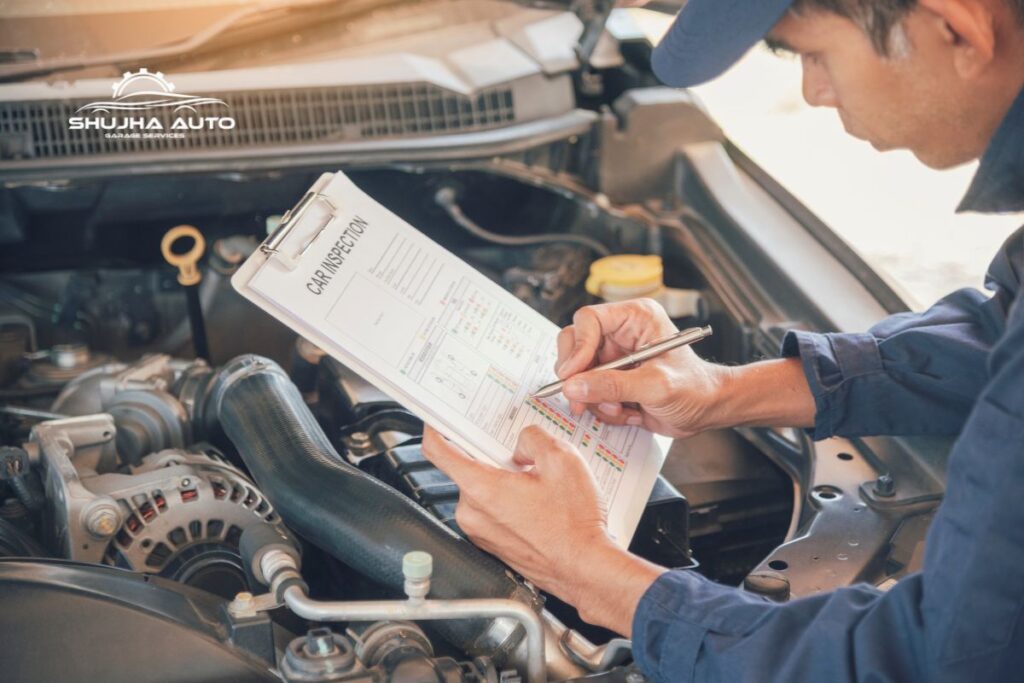
A professional pre-purchase inspection gives you a clearer picture of the car’s condition. It helps identify hidden problems before you pay.
At Auto Garage Services, used car inspection may include:
- Engine diagnostic scan
- Gearbox inspection
- Brake inspection
- AC performance check
- Suspension check
- Fluid leak inspection
- Battery test
- Tyre and wheel check
- Body and accident repair signs
- Test drive if safe
- Clear repair advice
This helps you understand whether the car is worth buying, whether it needs repairs, and whether the asking price is fair.
Common Red Flags Before Buying a Used Car
Some warning signs should make you extra careful.
Avoid or inspect deeply if you notice:
- Seller refuses inspection
- No service history
- Warning lights are on
- Engine smoke
- Gearbox slipping
- Heavy accident repair signs
- Coolant loss
- Oil leaks
- Burning smell
- Flood damage signs
- Odometer doubts
- Unusual engine noise
- Car pulls to one side
- AC not cooling
A seller who refuses a professional inspection may be hiding something.
How a Used Car Inspection Helps You Negotiate
A used car inspection does not only protect you from bad cars. It can also help you negotiate a better price.
If the inspection finds worn tyres, weak battery, brake wear, oil leaks, AC issues, or suspension problems, you can use the report to discuss the price with the seller.
This helps you make a smart decision instead of buying emotionally.
Are There Any Hidden Fees or Charges?
A trusted garage should explain what is included in the used car inspection before starting. You should know whether the inspection includes diagnostic scan, test drive, engine check, gearbox check, brake inspection, AC inspection, and fluid leak check.
Auto Garage Services focuses on clear inspection and honest repair guidance. The goal is to help buyers understand the car’s real condition before making a purchase decision.
Why Choose Auto Garage Services?
Auto Garage Services provides pre-purchase car inspection, engine diagnostic service, gearbox inspection, brake inspection, AC inspection, suspension check, fluid leak inspection, and car maintenance service.
If you are planning to buy a used car, the team can inspect the vehicle properly and explain the condition in simple words. This helps you avoid hidden problems and make a confident buying decision.
Drivers choose Auto Garage Services because of experienced technicians, proper diagnostic tools, clear communication, practical repair advice, and customer-focused service.
When Should You Visit Auto Garage Services?
You should visit Auto Garage Services before finalizing any used car purchase, especially if the car is automatic, CVT, luxury, high mileage, imported, modified, accident-repaired, or has no clear service history.
You should also visit if you notice warning lights, oil leaks, gearbox noise, weak AC, rough engine performance, brake noise, suspension sounds, or vibration during test drive.
A small inspection before buying can save you from major repair costs after buying.
FAQs
1. What should I check before buying a used car?
Before buying a used car, check the engine, gearbox, brakes, tyres, suspension, AC, battery, fluids, warning lights, accident signs, service history, mileage, documents, and overall test drive condition.
2. Is a pre-purchase inspection necessary before buying a used car?
Yes, a pre-purchase inspection is very useful because it can reveal hidden engine problems, gearbox faults, accident repairs, leaks, brake issues, suspension wear, and electrical problems before you pay.
3. How do I know if a used car has engine problems?
Engine problems may show signs such as rough idle, hard starting, smoke, knocking noise, oil leaks, overheating, warning lights, poor acceleration, or burning smell. A diagnostic scan and engine inspection can confirm the issue.
4. How do I check gearbox problems in a used car?
During a test drive, check for jerking, slipping, delayed shifting, grinding, whining noise, burning smell, or warning lights. Automatic, CVT, and manual gearboxes should be inspected carefully before buying.
5. Should I buy a used car with warning lights on?
You should not buy a used car with warning lights without proper diagnosis. A warning light may be caused by a small sensor issue, but it can also indicate engine, transmission, ABS, airbag, or electrical problems.
6. How can I check if a used car was in an accident?
Look for uneven panel gaps, different paint shades, overspray, replaced lights, rough paint finish, welding marks, and damaged underbody areas. A professional inspection can identify accident repair signs more accurately.
7. Is mileage more important than service history?
Mileage is important, but service history is often more important. A properly maintained high-mileage car can be better than a low-mileage car with poor maintenance or hidden problems.
8. What should I check during a test drive?
During a test drive, check engine response, gear shifting, braking, steering, suspension noise, AC cooling, vibration, warning lights, unusual smells, and overall comfort.
9. Can Auto Garage Services inspect a used car before buying?
Yes, Auto Garage Services can inspect a used car before buying. The team can check engine condition, gearbox, brakes, AC, suspension, battery, tyres, leaks, warning codes, and overall vehicle condition.
10. What is the biggest mistake when buying a used car?
The biggest mistake is buying based only on looks and price without proper inspection. A clean-looking car can still have hidden engine, gearbox, accident, or electrical problems.
Final Words
Buying a used car can be a good decision, but only if you check it properly before paying. You should inspect the engine, gearbox, brakes, tyres, AC, suspension, battery, fluids, warning lights, accident history, service records, mileage, documents, and test drive condition.
Do not rely only on the seller’s words or the car’s appearance. A professional pre-purchase inspection can help you avoid hidden problems, negotiate better, and buy with confidence.
If you are planning to buy a used car, visit Auto Garage Services for pre-purchase car inspection, engine diagnostic service, gearbox inspection, brake inspection, AC inspection, suspension check, fluid leak inspection, and car maintenance service.