
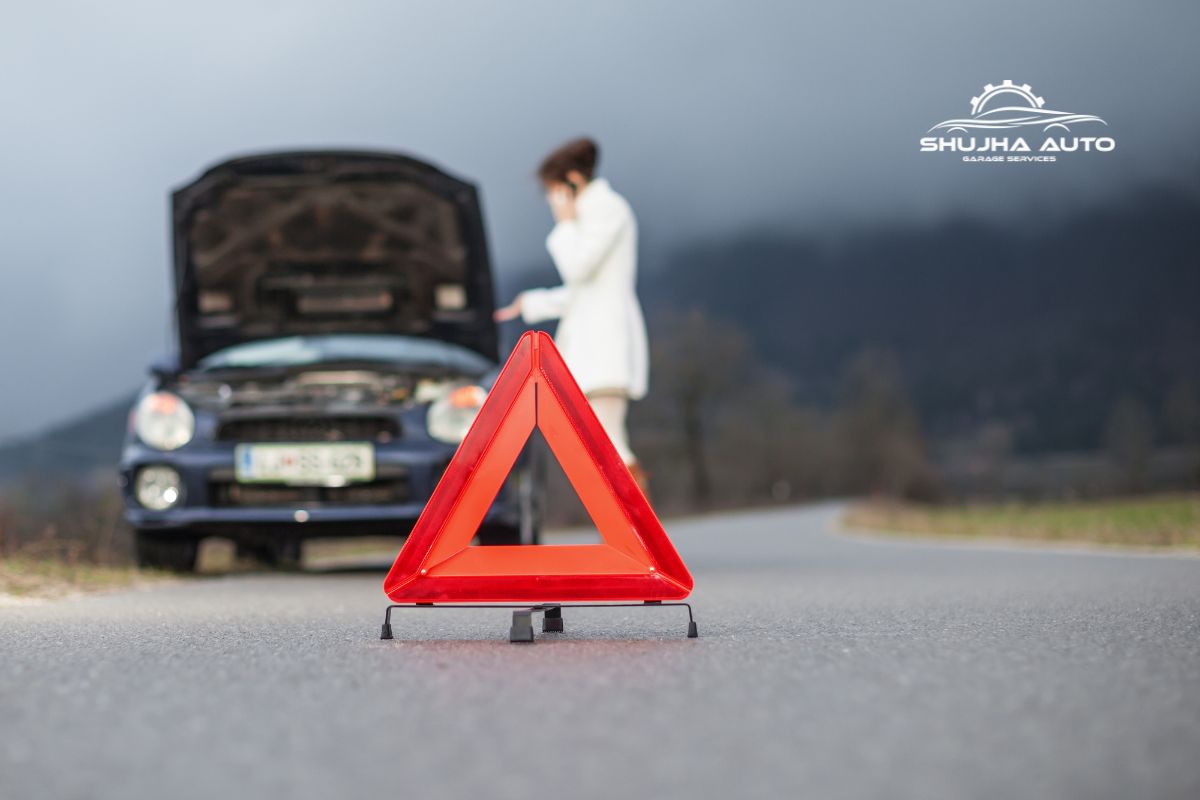

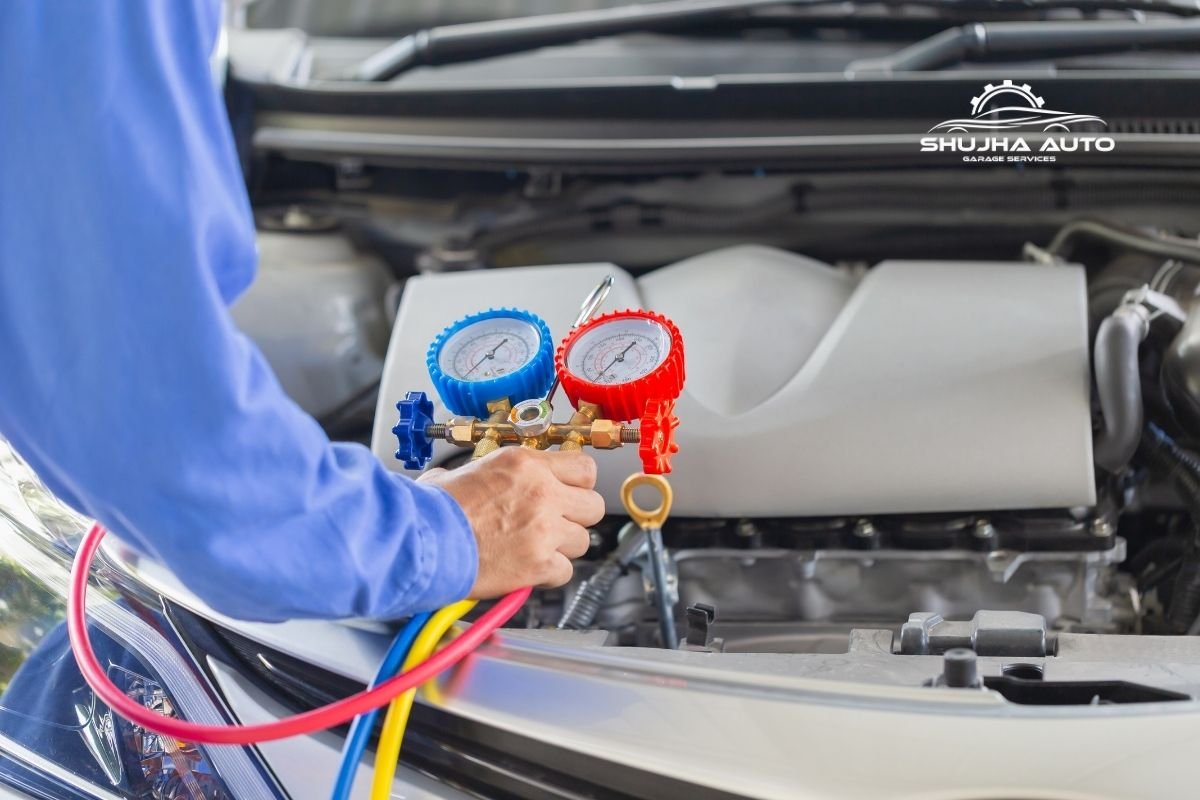
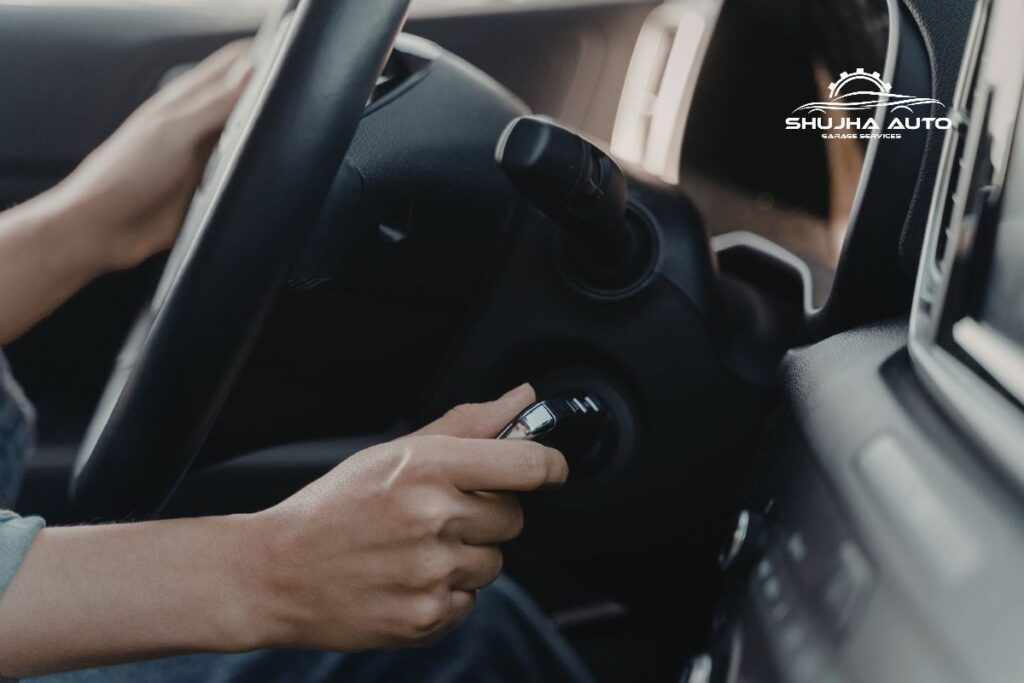
A car not starting is one of the most frustrating problems for any driver. You may turn the key or press the start button, but nothing happens. Sometimes the dashboard lights come on, but the engine does not crank. In other cases, you may hear a clicking sound, the lights may flicker, or the car may start one day and fail the next.
When a car does not start, many people immediately think the battery is dead. While the battery is one of the most common causes, it is not the only reason. A car starting problem can also be caused by the starter motor, alternator, ignition switch, fuses, wiring, relays, sensors, security system, or loose electrical connections.
In this guide, we will explain the most common electrical problems that stop a car from starting, warning signs, basic checks, repair options, and when to visit Auto Garage Services for car electrical diagnostic service, battery inspection, starter motor inspection, alternator testing, wiring repair, fuse check, or complete car maintenance service.
Quick Answer: Why Is My Car Not Starting?
Your car may not be starting because of a weak or dead battery, loose battery terminals, faulty starter motor, bad alternator, blown fuse, faulty ignition switch, damaged wiring, bad relay, immobilizer problem, or sensor fault.
If you hear a clicking sound, the issue is often related to the battery, starter motor, or electrical connection. If there is no sound at all, the problem may be battery failure, ignition switch issue, fuse problem, starter relay fault, or wiring damage. If the engine cranks but does not start, the issue may be linked to fuel, ignition, sensors, or engine control systems.
Why Electrical Problems Can Stop a Car From Starting
Modern cars depend on electrical power for almost everything. The battery provides power to start the car. The starter motor cranks the engine. The alternator charges the battery while driving. Sensors send information to the ECU. Relays, fuses, and wiring help send power to the right parts.
If any important electrical part fails, the car may not start. This is why proper diagnosis is important. Replacing the battery without testing the starter, alternator, fuses, or wiring may not solve the real problem.
Common Signs of Electrical Starting Problems
Electrical starting problems can show different symptoms. These signs can help identify the possible cause.
Dashboard Lights Are Weak or Flickering
If the dashboard lights are dim or flickering, the battery may be weak, or there may be a loose electrical connection.
Clicking Sound When Starting
A clicking sound usually means power is reaching the starter, but the battery may be too weak to crank the engine, or the starter motor may be faulty.
No Sound When Turning the Key
If there is no sound at all, the issue may be a dead battery, ignition switch problem, starter relay fault, blown fuse, or wiring issue.
Car Starts Sometimes and Fails Sometimes
Intermittent starting problems may be caused by loose terminals, weak starter motor, failing ignition switch, damaged wiring, or a relay issue.
Lights Work but Engine Does Not Start
If the lights work but the engine does not start, the battery may still be weak under load, or the problem may be with the starter motor, relay, ignition switch, or immobilizer.
Weak or Dead Battery
A weak or dead battery is the most common electrical reason a car will not start. The battery provides the power needed to crank the engine. If it is weak, the starter motor cannot work properly.
Common signs of a weak battery include:
- Slow engine cranking
- Clicking sound
- Dim dashboard lights
- Weak headlights
- Electrical accessories not working properly
- Car starts after jump-start
- Battery warning light
Batteries can fail due to age, heat, short trips, loose terminals, or leaving lights on. In hot weather, car batteries may weaken faster, especially if the car is used daily.
Loose or Corroded Battery Terminals
Sometimes the battery is fine, but the connection is poor. Battery terminals can become loose, dirty, or corroded. If power cannot flow properly, the car may not start.
Signs of terminal problems include:
- Clicking sound
- No start even with battery power
- Flickering lights
- Intermittent starting
- White or green corrosion around terminals
Cleaning and tightening battery terminals can sometimes solve the issue. However, if corrosion is heavy or cables are damaged, the terminals or cables may need repair.
Faulty Starter Motor
The starter motor cranks the engine when you turn the key or press the start button. If the starter motor fails, the engine will not crank even if the battery is good.
Signs of a faulty starter motor include:
- Single click when starting
- Grinding noise
- No crank
- Car starts sometimes but not always
- Burning smell in rare cases
- Lights work but engine does not turn
A starter motor problem can feel similar to a battery issue, so proper testing is important before replacing parts.
Bad Alternator
The alternator charges the battery while the engine is running. If the alternator is weak or faulty, the battery may not charge properly. The car may start once, but later fail because the battery is drained.
Signs of alternator problems include:
- Battery warning light
- Dim headlights
- Electrical accessories acting weak
- Car stalls while driving
- Battery keeps dying
- Burning smell or whining noise
- Car starts after charging but dies again
If your battery is new but keeps draining, the alternator should be tested.
Faulty Ignition Switch
The ignition switch sends power to the starting system when you turn the key. In push-start cars, related electronic start controls perform a similar function. If the ignition switch fails, the car may not receive the signal to start.
Signs of ignition switch problems include:
- No response when turning key
- Dashboard lights not behaving normally
- Car starts only after moving the key
- Car shuts off unexpectedly
- Accessories work but engine does not crank
Ignition switch issues can be difficult to confirm without electrical testing.
Blown Fuse
Fuses protect electrical circuits. If a fuse related to the starting system, ECU, fuel pump, ignition system, or starter relay blows, the car may not start.
A blown fuse may happen because of:
- Short circuit
- Faulty component
- Water damage
- Overloaded circuit
- Wiring problem
Replacing a fuse without finding the cause may only be a temporary fix. If the same fuse blows again, the circuit needs inspection.
Faulty Starter Relay
A relay is an electrical switch that controls power to certain components. The starter relay helps send power to the starter motor. If it fails, the starter may not receive power.
Signs of starter relay problems include:
- No crank
- Clicking sound from fuse box
- Intermittent starting
- Starter not engaging
- Car starts sometimes after repeated attempts
Starter relay testing is usually quick and can prevent unnecessary starter replacement.
Damaged Wiring
Wiring carries electrical power and signals throughout the car. If wiring is damaged, loose, burnt, corroded, or broken, the car may not start.
Common causes of wiring problems include:
- Heat damage
- Rodent damage
- Water damage
- Poor previous repair
- Loose connectors
- Corrosion
- Accident damage
Wiring issues can be tricky because the problem may appear and disappear. A proper electrical diagnostic service is needed to trace the fault.
Bad Ground Connection
A ground connection completes the electrical circuit. If the ground cable is loose, corroded, or damaged, the car may show strange electrical issues.
Signs of bad ground connection include:
- Slow cranking
- Flickering lights
- Clicking sound
- Electrical faults
- Intermittent no-start
- Sensor errors
Ground connection problems are often overlooked, but they can stop the car from starting.
Immobilizer or Security System Problem
Modern cars have immobilizer systems to prevent theft. If the car does not recognize the key, the engine may not start.
Signs of immobilizer problems include:
- Security light blinking
- Key not detected message
- Engine cranks but does not start
- Car starts with spare key
- Push-start system not responding
Sometimes the issue is the key battery, key programming, immobilizer module, or antenna system.
Faulty Key Fob Battery
In push-start cars, a weak key fob battery can prevent the car from detecting the key properly. The car may show a “key not detected” message or fail to start.
Changing the key fob battery may solve the problem. If not, the key or start system may need diagnosis.
ECU or Sensor Fault
The ECU controls engine operation. If the ECU does not receive the right signals from important sensors, the engine may crank but not start.
Possible sensor-related causes include:
- Crankshaft position sensor fault
- Camshaft position sensor fault
- Throttle position sensor fault
- Mass airflow sensor fault
- ECU communication issue
- Wiring or connector fault
A diagnostic scan can help identify sensor or ECU-related starting problems.
Fuel Pump Electrical Issue
Even though the fuel pump is part of the fuel system, it depends on electrical power. If the fuel pump relay, fuse, wiring, or pump motor fails, the engine may crank but not start.
Signs may include:
- Engine cranks but does not start
- No fuel pump sound
- Hard starting
- Stalling
- Poor acceleration before failure
Fuel pump electrical testing helps confirm whether the pump is receiving power.
Car Not Starting With Clicking Sound
A clicking sound is one of the most common symptoms of a starting problem.
Possible causes include:
- Weak battery
- Loose battery terminals
- Faulty starter motor
- Bad starter relay
- Poor ground connection
- Damaged battery cables
If the click is rapid, the battery is often weak. If it is a single click, the starter motor or relay may be involved.
Car Not Starting but Lights Work
If your lights work but the car does not start, the battery may still be too weak to crank the engine. Headlights and dashboard lights need less power than the starter motor.
Other possible causes include:
- Starter motor fault
- Starter relay issue
- Ignition switch problem
- Immobilizer issue
- Wiring fault
- Bad ground connection
This is why battery testing under load is important.
Car Cranks but Does Not Start
If the engine cranks but does not start, the battery and starter may be working, but the engine is not firing.
Possible causes include:
- Fuel pump issue
- Ignition system fault
- Sensor problem
- ECU fault
- Immobilizer problem
- Blown fuse
- Wiring issue
This needs diagnostic scanning and system testing.
Car Not Starting After Battery Replacement
If the car still does not start after replacing the battery, the problem may not have been the battery. It could be the starter motor, alternator, ignition switch, fuse, relay, wiring, or immobilizer.
Sometimes battery replacement can also disturb terminals or require system reset in certain vehicles.
What Should You Check First?
Before assuming a major problem, you can check a few simple things safely.
- Check if dashboard lights turn on
- Check if headlights are dim
- Check battery terminals for looseness
- Look for corrosion on battery terminals
- Try the spare key if available
- Check if the gear is in Park or Neutral
- Check for warning lights
- Listen for clicking sound
- Avoid repeated starting attempts
If the car does not start after basic checks, get professional help to avoid damaging the starter or electrical system.
What Happens During Electrical Diagnosis?
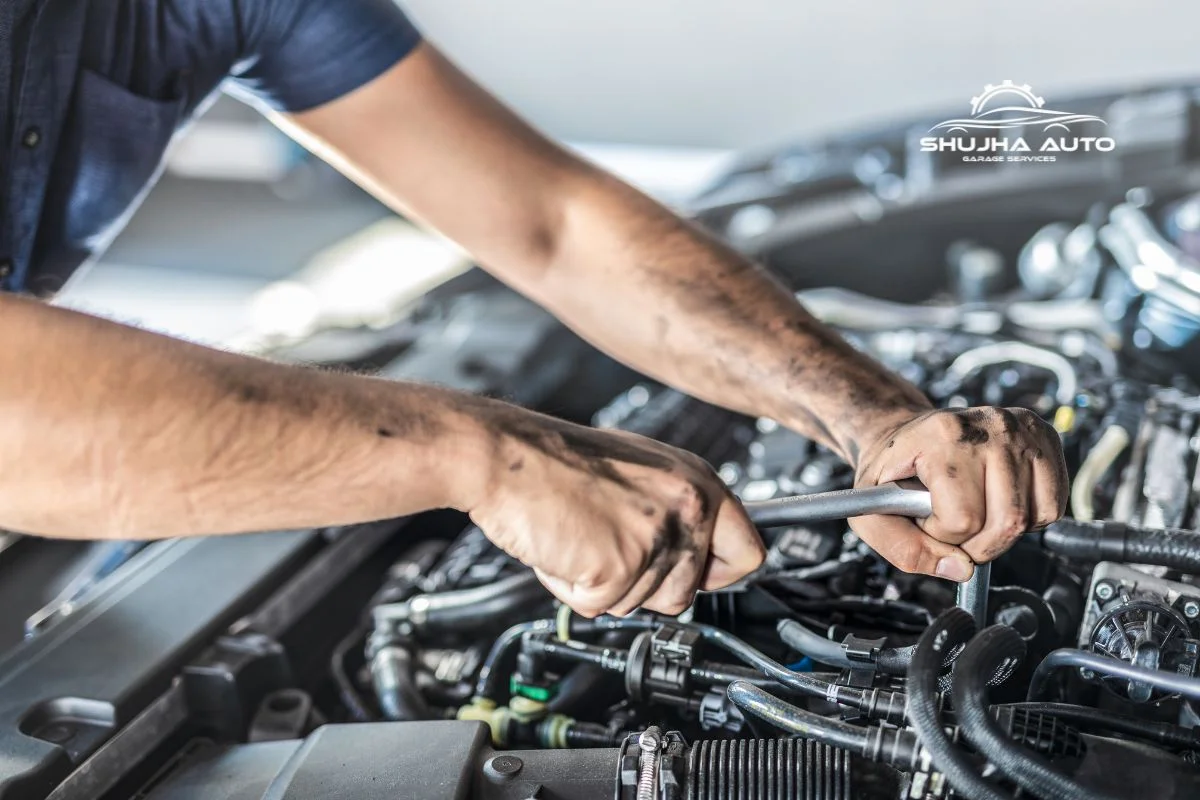
A proper diagnosis helps find the real cause instead of guessing. At Auto Garage Services, car electrical diagnostic service may include:
- Battery health test
- Battery voltage test
- Alternator charging test
- Starter motor test
- Fuse and relay inspection
- Wiring inspection
- Ground connection check
- Ignition switch testing
- Diagnostic scan
- Key and immobilizer check
- Fuel pump electrical check
- Sensor data inspection
This helps identify whether the problem is battery-related, starter-related, alternator-related, wiring-related, or ECU-related.
Common Repairs for Car Starting Problems
The correct repair depends on the diagnosis.
Battery Replacement
If the battery is weak or dead, replacement may be needed. The charging system should also be tested.
Battery Terminal Cleaning
If terminals are loose or corroded, cleaning and tightening may restore proper connection.
Starter Motor Repair or Replacement
If the starter motor is faulty, repair or replacement may be required.
Alternator Repair or Replacement
If the alternator is not charging, it should be repaired or replaced to prevent repeated battery failure.
Fuse or Relay Replacement
If a fuse or relay is faulty, replacement may solve the starting issue. If the fuse blows again, wiring must be checked.
Wiring Repair
Damaged wiring, loose connectors, or bad ground connections may need repair.
Ignition Switch Repair
If the ignition switch is faulty, replacement or repair may be required.
Key or Immobilizer Repair
If the key or security system is the issue, programming or system inspection may be needed.
Can You Jump-Start the Car?
Jump-starting can help if the battery is weak. But it is not a permanent solution if the battery, alternator, or wiring has a fault.
You should be careful when jump-starting because incorrect connection can damage electrical components.
If the car starts after a jump but fails again later, the battery and alternator should be tested.
Is It Safe to Keep Trying to Start the Car?
No, repeated starting attempts can overheat the starter motor and drain the battery further. If the car does not start after a few tries, stop and inspect the cause.
Repeated cranking can also worsen electrical faults or create additional problems.
How to Prevent Car Electrical Starting Problems
Regular maintenance can reduce the risk of no-start problems.
Check Battery Health
Test the battery regularly, especially if it is old or weak.
Keep Battery Terminals Clean
Clean terminals help power flow properly.
Inspect Alternator Charging
If the battery keeps draining, check the alternator.
Do Not Ignore Warning Lights
Battery warning light, check engine light, and security light should be inspected.
Fix Wiring Issues Early
Loose or damaged wiring can create sudden starting problems.
Avoid Leaving Lights On
Leaving lights or accessories on can drain the battery.
Service the Car Regularly
Regular car maintenance service helps detect weak battery, charging issues, loose connections, and electrical faults early.
Is Electrical Diagnosis Expensive?
The cost depends on the issue. Battery testing, fuse checking, or terminal cleaning may be simple. Starter motor, alternator, wiring, ECU, or immobilizer problems may cost more.
A proper diagnosis can actually save money because it prevents replacing parts unnecessarily.
Are There Any Hidden Fees or Charges?
A trusted garage should explain the inspection result before starting repair. You should know what caused the no-start issue, what part needs repair, whether the repair is urgent, and what the estimated cost will be.
Auto Garage Services focuses on clear diagnosis and honest repair guidance, so customers understand the problem before approving any work.
Free Diagnostic Check for Car Not Starting
If your car is not starting, a diagnostic check can help find the real reason. A no-start issue can come from battery, starter, alternator, ignition switch, wiring, fuses, relays, sensors, ECU, or immobilizer.
Auto Garage Services can inspect the starting system, charging system, electrical connections, fault codes, wiring, and related components to identify the problem properly.
This helps avoid guesswork and unnecessary part replacement.
Why Choose Auto Garage Services?
Auto Garage Services provides car electrical diagnostic service, battery inspection, battery replacement, starter motor inspection, alternator testing, fuse and relay inspection, wiring repair, ignition system inspection, and complete car maintenance service.
If your car is not starting, clicking, cranking but not starting, or showing electrical warning signs, the team can inspect the issue properly and explain the cause in simple words.
Drivers choose Auto Garage Services because of experienced technicians, proper diagnostic tools, clear communication, practical repair advice, and customer-focused service.
When Should You Visit Auto Garage Services?
You should visit Auto Garage Services if your car does not start, starts intermittently, makes clicking sounds, cranks but does not start, or keeps draining the battery.
You should also visit if you notice:
- Weak dashboard lights
- Battery warning light
- Check engine light
- Security light
- No crank
- Slow cranking
- Burning smell
- Repeated dead battery
- Loose or corroded terminals
- Electrical accessories not working
Early inspection can prevent sudden breakdown and avoid unnecessary repair costs.
FAQs
1. Why is my car not starting?
Your car may not be starting because of a weak battery, loose battery terminals, faulty starter motor, bad alternator, blown fuse, bad relay, ignition switch issue, wiring fault, immobilizer problem, or sensor issue.
2. Why does my car click but not start?
A clicking sound usually means the battery is weak, terminals are loose, the starter motor is faulty, the starter relay has failed, or there is a poor ground connection.
3. Can a bad alternator stop my car from starting?
Yes, a bad alternator can fail to charge the battery. The car may start once but later fail because the battery becomes drained.
4. Can a fuse stop a car from starting?
Yes, a blown fuse related to the starter, ECU, fuel pump, ignition, or security system can stop the car from starting.
5. Why does my car crank but not start?
If the engine cranks but does not start, the issue may be fuel pump electrical fault, ignition problem, sensor fault, ECU issue, immobilizer problem, or wiring issue.
6. Why do my lights work but the car will not start?
Lights need less power than the starter motor. The battery may still be weak under load, or the issue may be starter motor, relay, ignition switch, wiring, or immobilizer related.
7. Can loose battery terminals cause starting problems?
Yes, loose or corroded battery terminals can stop power from reaching the starting system properly. This can cause clicking, flickering lights, or no start.
8. Should I keep trying to start the car?
No, repeated starting attempts can drain the battery and overheat the starter motor. If the car does not start after a few tries, get it inspected.
9. How do mechanics diagnose electrical starting problems?
Mechanics diagnose starting problems by testing the battery, alternator, starter motor, fuses, relays, ignition switch, wiring, ground connections, key system, and scanning fault codes.
10. Does Auto Garage Services inspect car starting problems?
Yes, Auto Garage Services can inspect car starting problems. The team can check the battery, starter motor, alternator, fuses, relays, wiring, ignition switch, immobilizer, sensors, and electrical system.
Final Words
A car not starting can happen because of many common electrical problems. The issue may be a weak battery, loose terminals, faulty starter motor, bad alternator, blown fuse, relay fault, ignition switch problem, wiring damage, immobilizer issue, or sensor fault.
The best solution is proper diagnosis. Replacing the battery or starter by guesswork may not solve the real problem.
If your car is not starting, clicking, cranking but not starting, or showing electrical warning signs, visit Auto Garage Services for car electrical diagnostic service, battery inspection, starter motor inspection, alternator testing, wiring repair, fuse and relay inspection, and complete car maintenance service.