


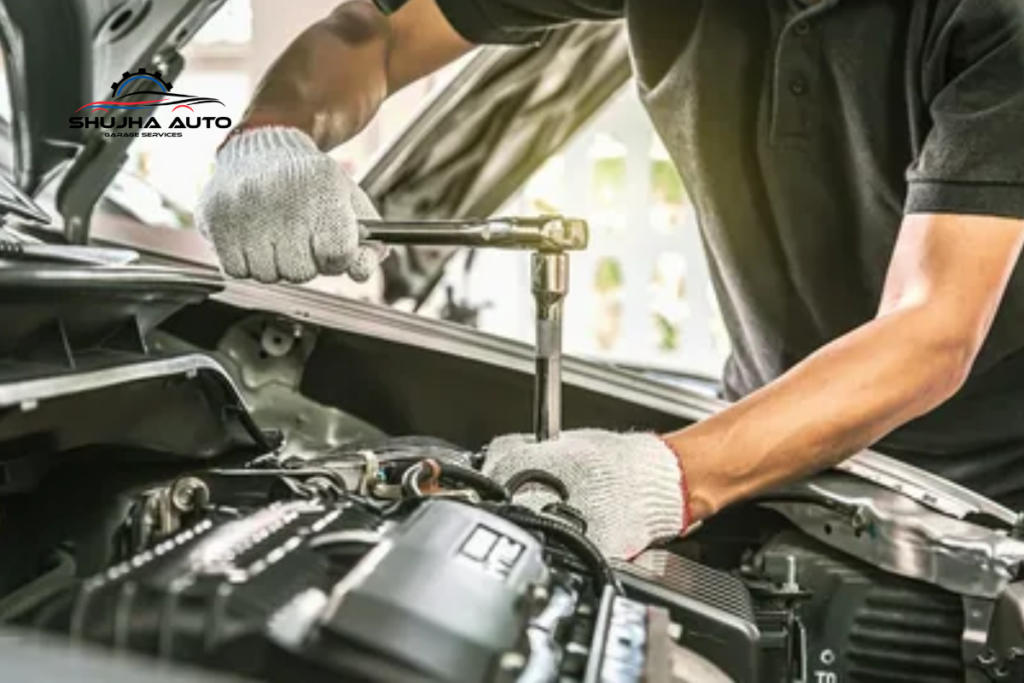
Expert car engine repair services. Fast diagnosis, reliable fixes, and preventative maintenance to keep your vehicle running smoothly.
Your car’s engine is the heart of your vehicle. It’s a complex symphony of moving parts, air, fuel, and sparks, all working in perfect harmony to get you from point A to point B. But when something goes wrong, that symphony can turn into a cacophony of concerning noises, warning lights, and frustrating performance issues. For many car owners, the “check engine” light illuminating on the dashboard is a moment of genuine dread. What’s wrong? How serious is it? And most importantly, what will it cost?
The First Step: Listening to Your Car
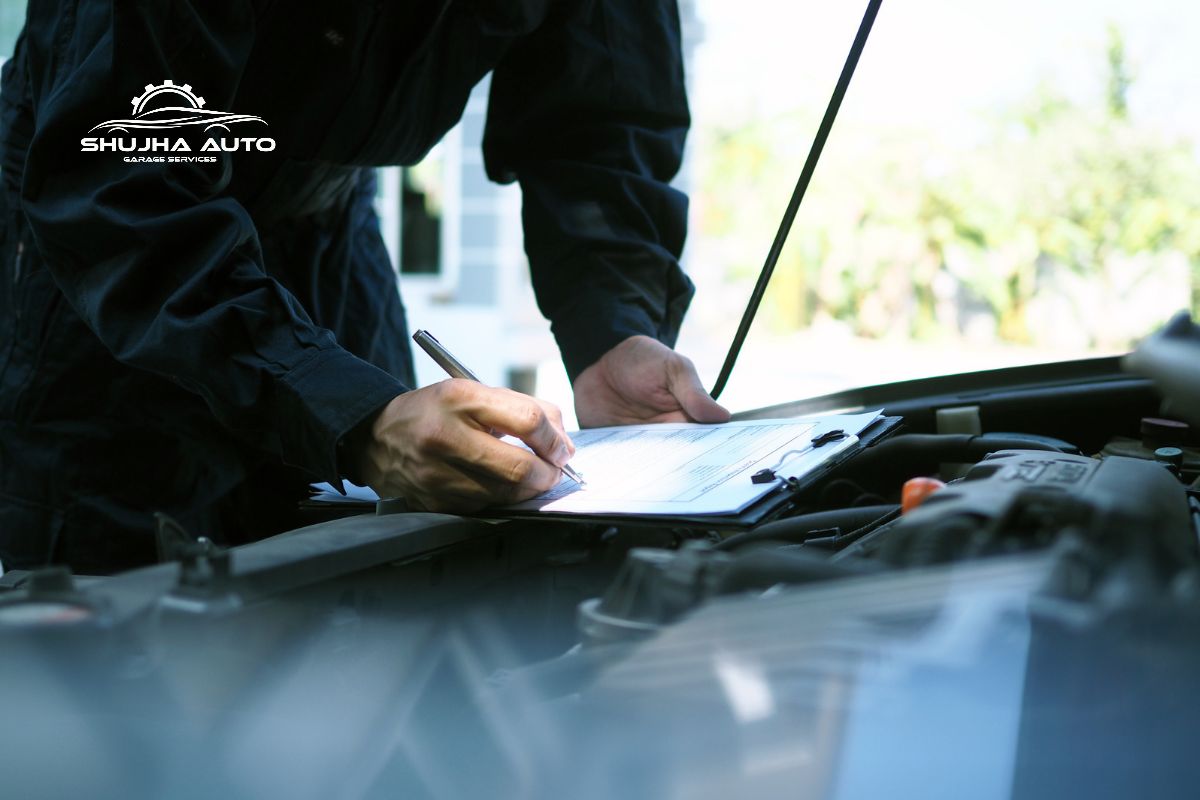
Before we dive into specific problems, let’s talk about diagnosis. Modern cars are incredibly smart, with dozens of computers and sensors monitoring everything. The key to a successful and cost-effective repair is an accurate diagnosis. This is where a professional engine diagnostic service is invaluable. It’s the equivalent of a doctor checking your vital signs before prescribing medicine.
At Shujha Auto Garage Services, our diagnostic process starts with you. We’ll ask questions: When does the problem happen? Is it when the engine is cold or hot? Under acceleration or at idle? We then combine your observations with our expertise and advanced scanning tools that read your car’s computer codes. But we don’t stop at the code. A code pointing to an oxygen sensor, for instance, might be caused by a failing sensor, or it could be a symptom of a deeper issue like a vacuum leak or fuel problem. We trace the root cause, not just treat the symptom.
Common Engine Problem: The Dreaded Check Engine Light
This little amber icon is the most common reason cars visit a garage. It can mean anything from a loose gas cap to a serious internal failure.
What it might be:
- Loose or Faulty Gas Cap: A surprisingly common issue. A broken or loose cap allows fuel vapors to escape, confusing the engine’s emissions system.
- Oxygen Sensor Failure: This sensor monitors how much oxygen is in your exhaust. A bad sensor can lead to poor fuel economy and increased emissions.
- Catalytic Converter Problems: Often a result of ignoring other issues (like bad spark plugs or oxygen sensors). A failing catalytic converter can cause a loss of power and poor acceleration.
- Mass Airflow Sensor Issues: This tells the engine’s computer how much air is entering the engine. If it fails, you may experience stalling, rough idling, and difficulty starting.
Diagnosis & Repair: This is the perfect scenario for our engine diagnostic service. The scanner will provide a code that guides our technicians to the correct system. For something simple like a gas cap, it’s a quick fix. For sensors, replacement is usually straightforward. A catalytic converter is more costly, but catching the problems that lead to its failure early can prevent this expense.
Location: Please Visit Our Shujha Auto Garage
Common Engine Problem: Strange Noises (Knocking, Ticking, Hissing)
Your engine should run with a relatively consistent hum. Unusual noises are clear cries for help.
- Knocking or Pinging (Sounds like marbles in a tin can): Often heard during acceleration. This is usually engine knock or “detonation,” where fuel burns unevenly. Causes can include low-octane fuel, carbon buildup, or a faulty knock sensor. Ignoring it can cause severe engine damage.
- Ticking or Clicking (Rapid ticking noise): This often points to valvetrain issues. It could be low oil pressure, a lack of oil, or worn components like lifters, rocker arms, or camshaft lobes. A simple oil change might solve it if caught early; otherwise, it can lead to major internal wear.
- Hissing or Whistling: This usually indicates a vacuum leak. Vacuum hoses crack over time. A leak allows unmetered air into the engine, disrupting the air-fuel mixture and causing a rough idle, high idle speed, or even stalling.
- Deep Knocking or Rumbling (Loud, deep knocking from the bottom of the engine): This is serious. It could indicate worn main bearings or crankshaft bearings—a sign of significant internal wear. This often leads to a critical decision: engine rebuild service or engine replacement.
Diagnosis & Repair: Our technicians are trained listeners. We’ll use a mechanic’s stethoscope to pinpoint the exact source of the noise. A hissing vacuum leak is often a simple, inexpensive hose replacement. Valvetrain ticking might require a valve adjustment or parts replacement. A deep rod knock, however, signals the need for major surgery on the engine itself.
Common Engine Problem: Overheating
An overheating engine is a fast track to a catastrophic breakdown. If your temperature gauge is in the red, or you see steam from under the hood, pull over safely as soon as possible.
What it might be:
- Low Coolant: The most common cause. Check for leaks in hoses, the radiator, the water pump, or the coolant reservoir.
- Faulty Thermostat: This valve regulates coolant flow. If it sticks shut, coolant can’t circulate, causing rapid overheating.
- Bad Water Pump: The pump circulates the coolant. If its impeller is broken or the seal fails, circulation stops.
- Radiator Fan Failure: The electric fan that cools the radiator when the car is stationary or moving slowly isn’t working.
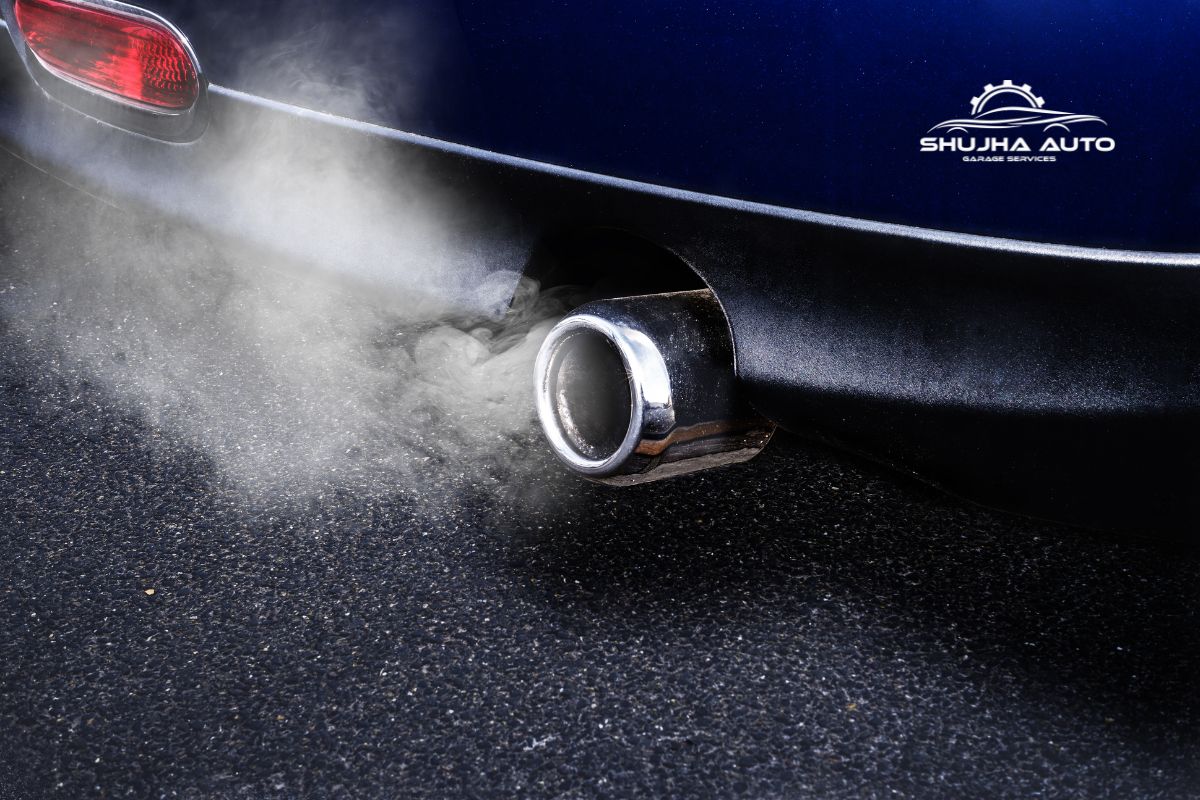
- Blown Head Gasket: A severe outcome of overheating (or a cause). This seal between the engine block and cylinder head fails, allowing coolant to mix with engine oil. Signs include white, sweet-smelling exhaust smoke, milky brown oil under the filler cap, and persistent overheating.
Diagnosis & Repair: We’ll perform a pressure test on the cooling system to find leaks, check the thermostat operation, and inspect the fan and water pump. A head gasket test is a specific diagnostic we run if we suspect that major issue. Repairing a head gasket is a significant job, as it requires partially disassembling the top of the engine. In some cases where overheating has caused warping or cracks in the engine block or head, the discussion may shift from repair to engine rebuild service or even engine replacement.
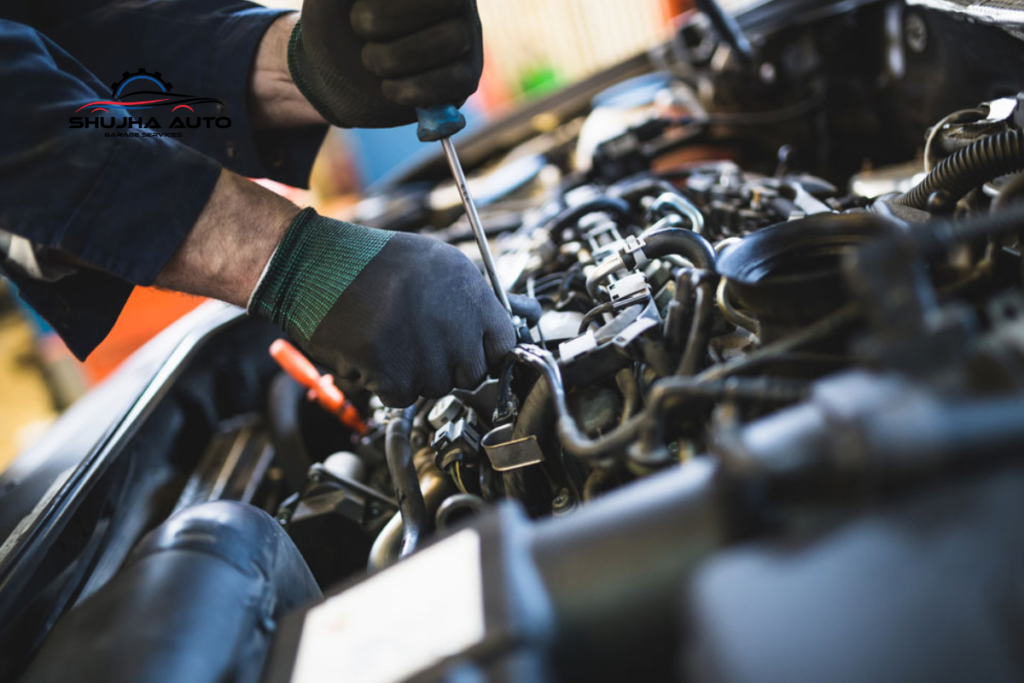
Common Engine Problem: Rough Idle, Stalling, and Misfires
Does your car shake and vibrate excessively when stopped at a light? Does it feel like it’s stumbling or losing power when you drive? This is often a misfire—where one or more cylinders aren’t firing properly.
What it might be:
- Spark Plug or Ignition Coil Failure: Worn spark plugs or a faulty coil pack can’t create the strong spark needed to ignite the fuel-air mixture.
- Clogged Fuel Injector: Dirty injectors can’t spray fuel properly, disrupting the delicate balance in the cylinder.
- Bad Fuel Pump or Filter: A weak pump or clogged filter starves the engine of fuel, especially under load.
- Vacuum Leak (Again): Unmetered air from a leak makes the mixture too “lean,” causing rough idle and stalling.
- Worn Engine Components: As engines age, wear on piston rings or valves can lead to low compression, causing a persistent misfire that simple parts won’t fix.
Diagnosis & Repair: We’ll scan for misfire codes, perform a compression test to check the engine’s mechanical health, and inspect ignition and fuel system components. Replacing plugs, coils, or cleaning injectors are common fixes. A failed compression test, however, points to internal mechanical failure, opening the door to discussions about an engine rebuild service.
Common Engine Problem: Loss of Power and Poor Acceleration
Your foot is on the gas, but the car just doesn’t respond like it used to. It feels sluggish, especially going uphill or trying to pass.
What it might be:
- Clogged Air Filter: A simple but often overlooked item. A dirty filter chokes the engine of air.
- Exhaust Restriction: A clogged catalytic converter (often from long-term neglect of other issues) acts like a kinked hose, trapping exhaust gases and robbing power.
- Fuel System Issues: A failing fuel pump, clogged filter, or dirty injectors all prevent the engine from getting the fuel it needs for power.
- Turbocharger/Supercharger Problems (if equipped): Boost leaks, worn turbos, or faulty wastegates will kill power in forced-induction engines.
- Major Engine Wear: General wear over hundreds of thousands of miles simply reduces the engine’s efficiency and power output.
Diagnosis & Repair: We follow a logical process: check the air filter, test fuel pressure, check back-pressure in the exhaust, and scan for sensor data that seems out of range. For worn turbos or major internal wear, the repair scope becomes larger, and we’ll have a detailed conversation about your options, which can range from targeted repairs to a full engine replacement for a complete and reliable solution.
The Big Decisions: Repair, Rebuild, or Replace?
When diagnostic tests reveal severe internal damage—like a thrown connecting rod, a cracked block, massive bearing failure, or widespread low compression from wear—you face a critical choice. Here’s a simple breakdown:
- Major Repair: Fixing a single major component like a head gasket or timing chain. This is viable if the rest of the engine is in good health.
- Engine Rebuild Service: This involves completely disassembling your engine, inspecting every part, replacing all worn components (pistons, rings, bearings, seals, gaskets, often the oil pump and water pump), machining surfaces (like the cylinder heads and block deck), and reassembling it to factory specifications. At Shujha Auto Garage Services, our engine rebuild service is a meticulous process that effectively gives you a “like-new” engine, often with a robust warranty, and preserves the heart of your original vehicle.
- Engine Replacement: This means swapping your old, damaged engine for a different one. This could be a brand-new engine from the manufacturer (very expensive), a quality remanufactured engine (rebuilt to strict standards by a specialized company), or a used lower-mileage engine from a salvage yard. Engine replacement is often chosen when the cost of a rebuild is too high due to catastrophic damage (like a hole in the block) or when a quality used engine is readily available and more economical.
What happens if an issue is found?
Our process is built on transparency. Once our engine diagnostic service pinpoints the problem, our lead technician will sit down with you. We’ll show you the diagnostic data, explain the faulty component or system in simple terms, and walk you through your repair options. We’ll provide a detailed, written estimate that outlines the necessary parts, labor time, and the total cost. No work ever begins without your explicit approval. Our goal is to make you an informed partner in the repair of your vehicle.
Are there any hidden fees or charges?
At Shujha Auto Garage Services, we operate with a “No Surprise” philosophy. The price on your approved estimate is the price you pay. The only exception would be if, during the repair, we discover an additional, unforeseen issue that directly impacts the safety or completion of the job. In that rare case, we will immediately stop, contact you, explain the new situation, provide a new estimate, and get your approval before proceeding. We never hide fees or charge for things you didn’t agree to.
Prevention is Better (and Cheaper) Than Cure
The best way to deal with engine problems is to avoid them. A consistent maintenance schedule is your engine’s best friend:
- Regular Oil Changes: This is the #1 thing you can do. Clean oil lubricates, cleans, and cools internal parts. Follow your manufacturer’s interval.
- Change Coolant, Belts, and Hoses: Don’t wait for them to fail. Replace them as recommended.
- Use Quality Fuel and Additives: Occasional use of a good fuel injector cleaner can help.
- Listen and Act: Don’t ignore new noises, changes in performance, or that check engine light. Small problems are cheap to fix; big problems are expensive.
Your Trusted Partner in Engine Health
We hope this guide has empowered you with knowledge. Understanding these common issues makes you a smarter car owner. But when it’s time for professional help, you need a garage you can trust.
At Shujha Auto Garage Services, we combine decades of experience with modern diagnostic technology. We treat your car and your budget with respect. Whether you need a simple scan for a check engine light, a complex diagnosis for a mysterious noise, a meticulous engine rebuild service, or advice on engine replacement, we’re here to guide you to the right solution.
Don’t let engine trouble leave you stranded or stressed. Give us a call or visit our garage. Let’s get your car’s symphony playing in perfect harmony again.