Explore 10 common Jeep brake repair issues and how to fix them. From squealing brakes to soft pedals, learn simple solutions to keep your Jeep safe.
1. Squealing or Grinding Brakes
What Causes Squealing or Grinding Sounds?
Let’s talk about one of the most irritating and worrying brake issues: squealing or grinding brakes. That loud, high-pitched squeal or metal-on-metal grinding can make any Jeep owner cringe. These sounds usually point to worn-out brake pads. Over time, brake pads wear down, and if they get too thin, the metal part of the pad starts grinding against the rotor. That’s where the trouble starts.
Sometimes, dirt or debris stuck in the brakes can also cause this noise. And if your Jeep’s been through a lot of mud or off-roading, it’s more likely. Another possible cause? Cheap or low-quality brake pads that don’t hold up well.
It’s not just annoying—it’s a warning. Ignoring that sound can lead to more expensive damage, like destroying your brake rotors.
How to Fix This Issue
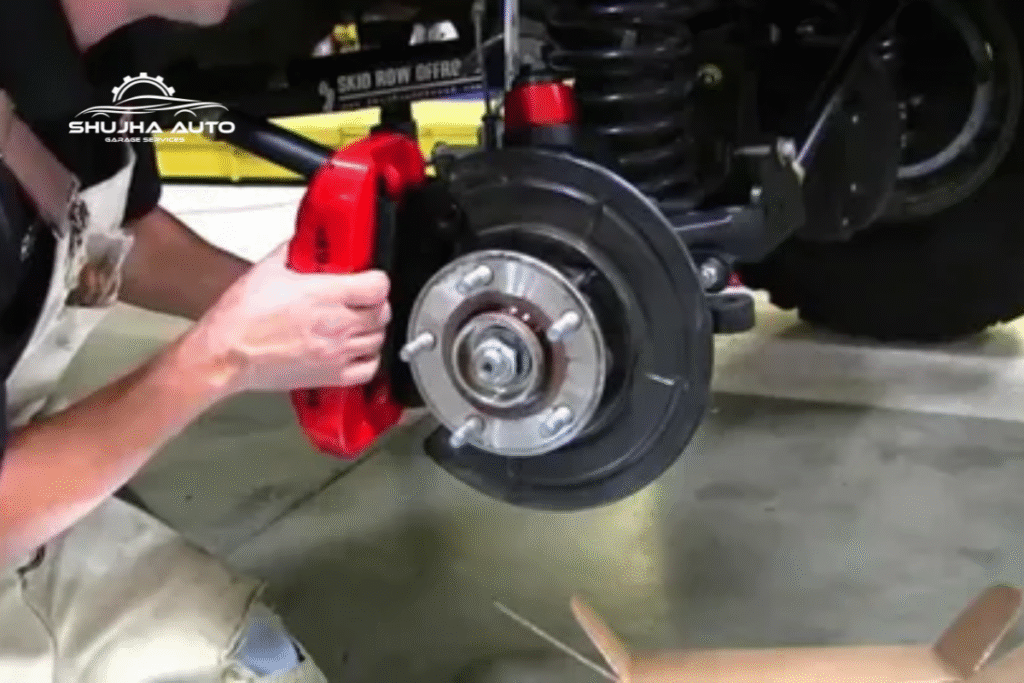
If your brakes are squealing, the first thing to do is inspect your brake pads. If they look thin—less than 1/4 inch—it’s time to replace them. Grinding noises? That means it’s urgent. Your rotors might already be damaged, and you might need both pads and rotors replaced.
Here’s a simple step-by-step fix:
- Lift your Jeep safely using a jack and jack stands.
- Remove the wheel and inspect the brake components.
- Replace the brake pads if they’re worn.
- If there’s rotor damage, replace or resurface the rotors.
- Reinstall everything securely and test the brakes.
If you’re not comfortable doing this yourself, don’t take chances. Let the pros handle it.
When to Visit Shujha Auto Garage Services
At Shujha Auto Garage Services, we deal with squealing or grinding brakes every day. Our mechanics use only high-quality pads and rotors to ensure safety and performance. We’ll diagnose the problem, fix it fast, and get you back on the road with confidence.
2. Brake Vibration While Stopping
Why Do Brakes Vibrate?
Ever felt a shaky steering wheel or a trembling brake pedal when slowing down? That’s called brake vibration, and it’s more than just a nuisance. It’s your Jeep’s way of saying something’s off.
Brake vibration often happens when your rotors aren’t evenly smooth anymore. Heat and pressure can wear them down unevenly over time. You might also feel this if your tires are misaligned or your suspension parts are worn out.
The Role of Warped Brake Rotors
One of the biggest culprits of brake vibration is warped brake rotors. When rotors overheat, they can bend slightly and lose their smooth surface. This causes the brake pads to bounce as they make contact, leading to a vibration you feel in your hands and feet.
If you’ve been braking hard a lot—like towing, off-roading, or city driving—that heat can warp the rotors. And if the rotor surface isn’t flat anymore, your Jeep’s going to shake.
How to Fix Brake Vibration
Here’s what you should do:
- First, get a brake inspection.
- If rotors are warped, you may need to have them resurfaced or replaced.
- Check the brake pads too. If they’ve worn unevenly, replace them.
- Also check the suspension system—loose or damaged parts can add to the shaking.
Make sure to torque your wheels properly when reinstalling—uneven lug nut pressure can also cause rotor issues.
Prevention Tips from Shujha Auto Garage Services
At Shujha Auto Garage Services, we don’t just fix brake vibration—we prevent it. We torque every wheel to spec, recommend the best rotors for your Jeep model, and suggest brake upgrades if you’re a heavy-duty user. Whether it’s city driving or trails, we’ve got your back.
3. Soft or Spongy Brake Pedal
Common Causes Behind a Soft Brake Pedal
If your Jeep’s brake pedal feels soft, spongy, or goes too close to the floor, that’s a red flag. This isn’t just uncomfortable—it’s dangerous. A soft or spongy brake pedal usually means there’s air in the brake lines, a fluid leak, or worn-out components.
Here’s what might be causing it:
- Air bubbles in the brake fluid
- Old, contaminated brake fluid
- Leaking brake lines or calipers
- Failing master cylinder
- Faulty brake booster
It often starts small—a slightly soft pedal—and worsens over time. The longer you wait, the worse it gets.
Step-by-Step Fix for Spongy Pedals
- Check Brake Fluid: If it’s low, top it up with the recommended type for your Jeep.
- Inspect for Leaks: Look under the vehicle and near the wheels for signs of brake fluid.
- Bleed the Brakes: This removes air bubbles from the system.
- Check Brake Lines: Replace any worn or corroded lines.
- Test the Master Cylinder: If the issue continues, it might be time for a replacement.
If you’re not sure how to do these steps, it’s best to leave it to a professional.
Professional Help at Shujha Auto Garage Services
We take soft or spongy brake pedal complaints seriously at Shujha Auto Garage Services. Our brake specialists will diagnose the exact problem, flush and bleed your system, and replace anything worn. You’ll get that firm, responsive pedal feel back in no time.
4. Brake Fluid Leaks
How to Spot a Brake Fluid Leak
Brake fluid is your Jeep’s lifeline when it comes to stopping. If you notice puddles under the vehicle or your brake warning light comes on, you could be dealing with a fluid leak. Brake fluid is usually clear to yellowish and has a slick, oily feel.
Look for leaks:
- Around the master cylinder
- Near brake calipers or wheel cylinders
- Along brake lines
A small leak can quickly become a big problem if not fixed.
Risks of Driving With Leaky Brakes
Driving with leaking brake fluid is dangerous. Leaks reduce braking power and can lead to total brake failure. Even a small leak can lower your brake fluid level enough to cause a soft or spongy brake pedal or prevent the brakes from working altogether.
How to Fix Brake Fluid Leaks
The fix depends on the source:
- Replace damaged brake lines
- Tighten or replace leaking fittings
- Swap out leaking calipers or cylinders
- Top up and bleed the system
After repairs, always test the brakes thoroughly.
At Shujha Auto Garage Services, we use high-quality parts and run full brake diagnostics to ensure nothing is missed.
Location: Please Visit Our Shujha Auto Garage
5. ABS Light is On
What Does the ABS Light Mean?
The ABS (Anti-lock Braking System) light on your dash isn’t just a fancy light show—it’s a warning. If it’s lit up, your Jeep’s anti-lock system isn’t working properly. That means your wheels could lock up during hard stops, especially in rain or snow.
Common Triggers for ABS Alerts
ABS lights can be triggered by:
- A broken wheel speed sensor
- Damaged ABS wiring
- Faulty ABS module
- Low brake fluid
- Blown fuses
Some problems are minor, but others can affect your entire braking system.
How to Handle an ABS Light Problem
Here’s what to do:
- Check your brake fluid level.
- Inspect the fuses and replace any blown ones.
- Use a scanner to read ABS error codes.
- Replace or repair faulty sensors or wiring.
- Reset the ABS light after fixing the issue.
ABS issues are harder to diagnose without the right tools. That’s where we come in.
At Shujha Auto Garage Services, we have advanced diagnostics to read ABS codes and pinpoint the exact problem. We’ll fix it fast and make sure your system is working the way it should.
6. Uneven Brake Pad Wear
What Causes Uneven Brake Pad Wear?
If your Jeep’s brake pads wear down at different rates—say the left pad is worn while the right one looks new—you’re facing uneven brake pad wear. This problem doesn’t just shorten the life of your brakes; it also leads to poor performance and increased stopping distance.
Several things can cause this:
- Sticking calipers: If one caliper doesn’t release properly, it drags the pad against the rotor.
- Misaligned brake hardware: Bad installation or worn-out components can cause one pad to do all the work.
- Brake fluid imbalance: A leak or blockage may prevent even pressure from reaching both sides.
- Warped brake rotors: Yes, warped rotors can cause uneven contact, leading to accelerated wear on one side.
Signs You Might Have Uneven Brake Pads
- Your Jeep pulls to one side when braking
- Squealing or grinding brakes from one wheel
- One wheel has more brake dust than the others
- Vibration during braking
Don’t ignore it. Uneven pads can lead to brake vibration and make your Jeep unsafe.
How to Fix and Prevent This Issue
Fixing it involves:
- Replacing both sets of brake pads—even if only one looks worn.
- Inspecting and servicing the calipers.
- Checking for warped brake rotors and replacing them if necessary.
- Flushing and refilling brake fluid if contamination is found.
Expert Tip from Shujha Auto Garage Services
At Shujha Auto Garage Services, we don’t just replace your pads. We inspect your entire braking system to find out why the wear was uneven. This way, we fix the root cause and help you avoid future repairs. Trust us for a job done right the first time.
7. Warped Brake Rotors
How Do Rotors Become Warped?
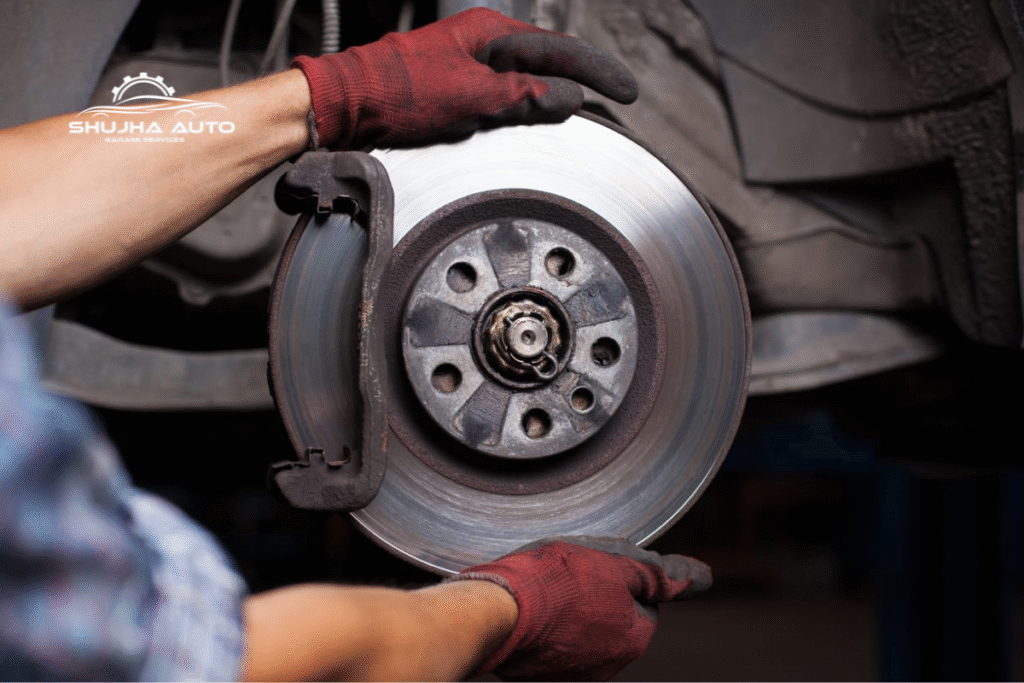
Rotors are the flat metal discs your brake pads clamp down on. Over time, they heat up—especially in stop-and-go driving or during aggressive braking. If they get too hot, they can lose their shape. This creates warped brake rotors.
How does this happen?
- Braking down long hills or towing can cause overheating.
- Improperly torqued wheels can stress the rotors.
- Low-quality materials wear out faster.
- Aggressive driving habits lead to heat stress and warping.
Once a rotor warps, the surface becomes uneven. This can lead to brake vibration, longer stopping times, and noise.
Symptoms of Warped Brake Rotors
- Shaking or wobbling when braking
- Grinding sounds
- Increased stopping distance
- Pulsating brake pedal
These symptoms can make driving uncomfortable and even dangerous if ignored.
Repairing or Replacing Warped Brake Rotors
You’ve got two choices:
- Resurfacing the Rotors: If the warping is minimal and there’s enough thickness left, a technician can smooth the rotor’s surface.
- Replacing the Rotors: If the rotors are too thin or damaged, they must be replaced.
Either way, make sure the new or resurfaced rotors are installed correctly and your wheels are torqued evenly.
Shujha Auto Garage Services’ Rotor Replacement Process
At Shujha Auto Garage Services, we use high-grade rotors designed for your Jeep’s specific model. We also torque wheels using manufacturer specs to prevent future warping. Need rotor help? We’re your go-to team.
8. Brakes Pulling to One Side
Why Your Jeep Might Pull While Braking
Does your Jeep pull to one side every time you hit the brakes? It might feel like you’re fighting your own car. This can be scary, especially at high speeds. The cause is usually uneven brake pressure—either from a stuck caliper, a bad brake hose, or uneven brake pad wear.
Other causes include:
- Low tire pressure on one side
- Faulty suspension components
- Brake fluid issues
If it only happens when braking, your brake system is the most likely culprit.
Diagnosing the Pull
You’ll need to:
- Inspect all four brake calipers
- Look for signs of seized pistons
- Measure the brake pad thickness on each wheel
- Check for collapsed or kinked brake lines
A test drive by a pro can usually pinpoint the problem fast.
Solutions to Stop Uneven Braking
- Replace or service the sticky caliper
- Bleed the brake lines to remove air or blockages
- Replace damaged brake hoses
- Ensure brake pads and rotors are evenly installed
Keeping You Safe with Shujha Auto Garage Services
Uneven braking isn’t just uncomfortable—it’s unsafe. At Shujha Auto Garage Services, we perform full brake system diagnostics and correct these problems so you can drive straight and stop with confidence.
9. Burning Smell While Braking
What’s That Smell?
Smell something burning after using your brakes? That’s a major red flag. A burning odor usually means your brakes are overheating. This could come from riding your brakes too long, a stuck caliper, or low-quality brake pads that aren’t handling the heat.
Overheated Brakes and Rotor Damage
Overheating can cause:
- Glazed brake pads
- Warped brake rotors
- Boiled brake fluid
- Decreased stopping power
Over time, heat damages the rotor surface and can lead to brake vibration, especially at high speeds.
How to Cool Things Down
Here’s what you can do:
- Stop and let your brakes cool off
- Avoid riding the brakes down long hills
- Downshift to use engine braking
- Get your brakes inspected ASAP
If you suspect damage, don’t wait. Damaged rotors and pads reduce safety and can lead to more expensive repairs.
Shujha Auto Garage Services offers heat-resistant brake solutions and performance upgrades for off-road and towing Jeeps.
10. Brake Vibration at High Speeds
How Speed Influences Brake Vibration
Have you ever noticed your Jeep starts shaking only when braking at high speeds? That’s a clear sign of brake vibration, and it gets worse the faster you’re going. It usually happens when your brake system can’t handle the stress and heat created during high-speed stops.
At high speeds:
- Heat builds up rapidly
- Warped brake rotors become more noticeable
- Brake pads may not sit evenly against the rotor
It feels like the whole vehicle is trembling, and it makes emergency stops riskier.
Fixing High-Speed Vibration
The fix usually involves:
- Replacing or resurfacing rotors
- Installing performance-grade brake pads
- Making sure wheels are balanced and aligned
- Checking suspension and steering components
Always replace brake parts in pairs to ensure even performance.
Long-Term Solutions from Shujha Auto Garage Services
At Shujha Auto Garage Services, we understand Jeep owners often drive in demanding conditions. That’s why we offer brake upgrades designed for high performance. Say goodbye to brake vibration—even at 80 mph. Come see us for brakes that can keep up with your lifestyle.
Conclusion
Your Jeep’s brake system is one of the most critical parts of your vehicle. Ignoring small problems like squealing or brake vibration can lead to major repairs and safety issues down the line. From soft or spongy brake pedals to warped brake rotors, the key is early detection and professional service.
At Shujha Auto Garage Services, we specialize in Jeep brake repair. Our expert team can handle everything—from routine pad replacements to diagnosing tricky ABS issues. We use quality parts, offer honest pricing, and treat your Jeep like our own.
So the next time your brakes feel off or sound weird, don’t wait. Stop by Shujha Auto Garage Services and get the fix you need—fast, affordable, and professional.