

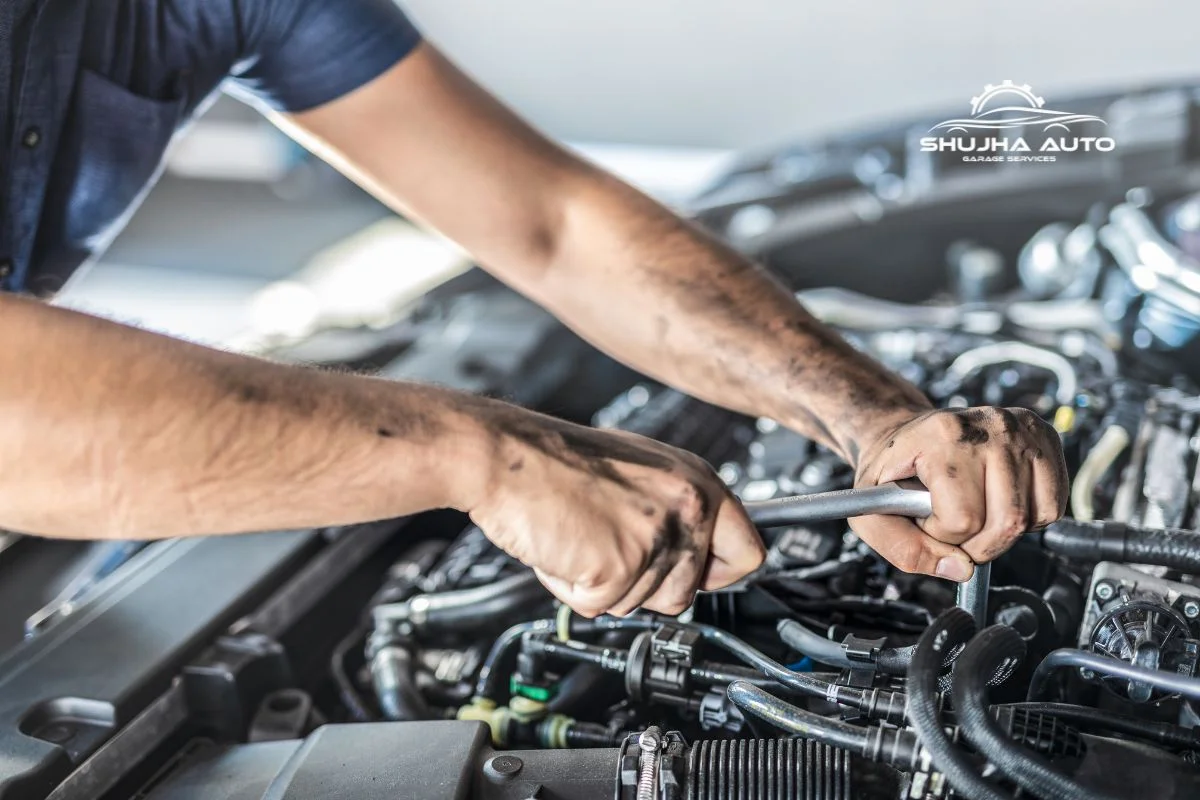
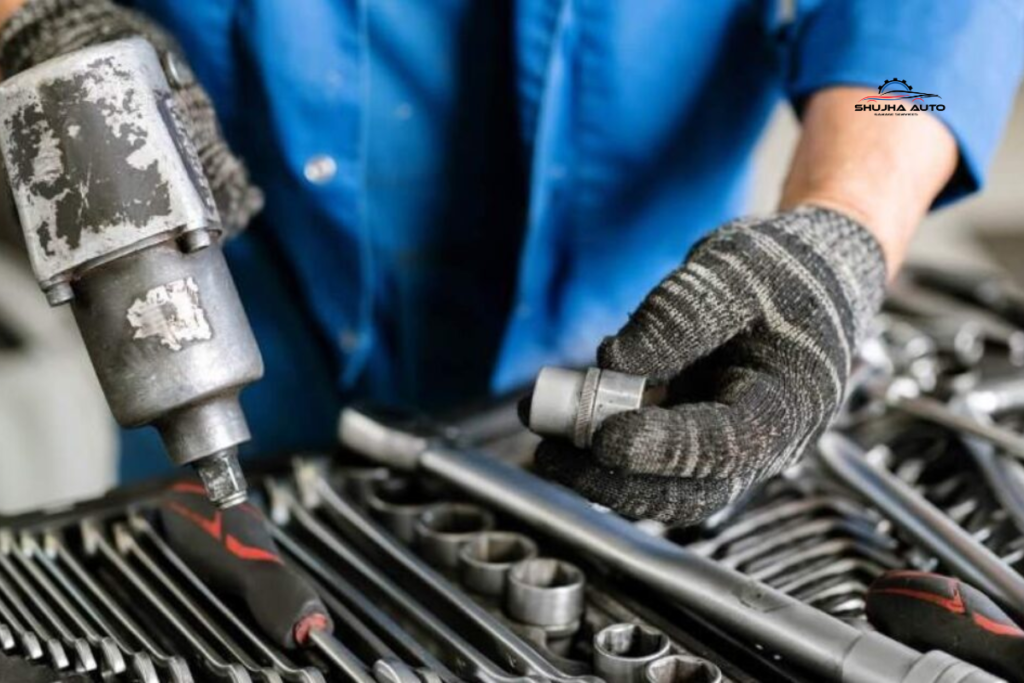
Car maintenance equipment for professional and DIY use. Discover tools, tips, and solutions to keep your vehicle running smoothly and efficiently.
Keeping your car in good shape is a lot like taking care of your own health. If you eat well, exercise, and visit the doctor for regular check-ups, you feel great and avoid big problems. The same goes for your vehicle. A little bit of regular care goes a long way in preventing expensive breakdowns and keeping you safe on the road.
Whether you are a beginner who just bought their first set of wrenches or an expert who can rebuild an engine in their sleep, having the right tools is the most important part of the job. You wouldn’t try to bake a cake without a mixing bowl, and you shouldn’t try to fix a car without the proper equipment.
We are going to walk through the ultimate car maintenance equipment list for beginners and experts. We will cover the basics you need to start your journey, the advanced tools that professionals rely on, and everything in between.
We will also answer some common questions that every car owner has, such as: What happens if an issue is found? Are there any hidden fees or charges? and What’s included in the free diagnostic check?
At Shujha Auto Garage Services, we believe that knowledge is power. Whether you choose to turn the wrenches yourself or bring your car to us for professional care, understanding the tools of the trade helps you make better decisions for your vehicle. Let’s dive in.
Why the Right Tools Matter
Before we start listing equipment, it is important to understand why using the right tool for the job is so critical. Car manufacturers design vehicles with specific tolerances. Using the wrong tool—like using a standard screwdriver when you need a Torx bit—can strip screws, break parts, or even cause injury.
For beginners, starting with a solid foundation of tools builds confidence. For experts, having a well-organized workshop with specialized auto maintenance tools ensures efficiency and precision.
Whether you are working in your driveway or running a professional shop like ours, the goal is the same: to fix the problem correctly the first time.
The Beginner’s Toolkit: Where It All Starts
If you are new to car maintenance, you might feel overwhelmed by the sheer number of tools available. Do not worry. You do not need to spend thousands of dollars to start. In fact, most basic jobs—like changing oil, swapping air filters, or replacing a battery—can be done with a relatively small collection of tools.
Here is your essential car maintenance equipment list for beginners.
1. A Quality Socket Set
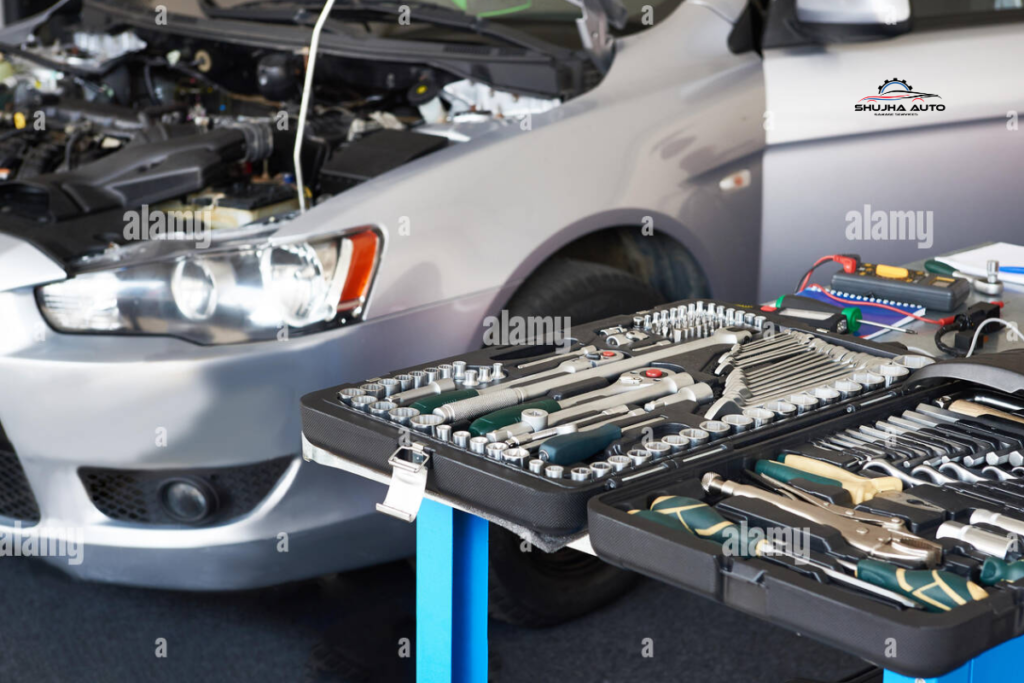
This is the backbone of any tool collection. Look for a set that includes both standard (imperial) and metric sizes. While modern cars mostly use metric fasteners, having both is a good idea. A good socket set should include:
- ¼-inch drive sockets: For small, delicate work.
- ⅜-inch drive sockets: This is your workhorse size. Perfect for most engine work.
- ½-inch drive sockets: For heavy-duty jobs like lug nuts and suspension work.
- Extensions and universal joints: These help you reach bolts in tight spaces.
2. Combination Wrenches
Sometimes a socket won’t fit because the space is too tight. That is where combination wrenches come in. They have an open end on one side and a box end on the other. A set ranging from 8mm to 19mm (and the equivalent standard sizes) will cover 90% of your needs.
3. Screwdrivers
You will need a variety of flathead and Phillips head screwdrivers in different sizes. Invest in a set with sturdy handles and magnetic tips. The magnet helps prevent you from dropping screws into the engine bay—a mistake that can cost you hours of frustration.
4. Pliers and Cutters
A set of slip-joint pliers, needle-nose pliers, and diagonal cutters (dykes) are essential. Needle-nose pliers are especially useful for pulling hoses or holding small clips in tight spaces.
5. A Jack and Jack Stands
This is a matter of safety. The jack that comes with your car is only for changing a flat tire on the side of the road. It is not stable enough for working under the vehicle. You need a hydraulic floor jack and a pair of jack stands. Never, ever rely on a jack alone to hold the car up while you are underneath it.
6. Oil Drain Pan and Funnel
If you plan to do your own oil changes, you need a proper drain pan to catch the old oil. You also need a funnel to pour new oil in without spilling it all over the engine.
7. Wheel Chocks
These are wedges that you place behind the tires to prevent the car from rolling. Even with the parking brake on, chocks provide an extra layer of safety.
8. A Flashlight or Work Light
You cannot fix what you cannot see. A high-quality LED work light or a headlamp (which straps to your forehead) is invaluable. It keeps your hands free and lights up the dark corners of your engine bay.
9. Rubber Mallet and Hammer
A rubber mallet is great for persuading stuck parts without damaging them. A standard ball-peen hammer is also useful for heavier tasks.
10. Safety Equipment
Never forget safety glasses and mechanic’s gloves. You only have one set of eyes, and chemicals, rust, and sharp edges are common in automotive work.
With this beginner list, you can handle most routine maintenance tasks. However, as you grow more confident, you will find that you need more specialized car repair tools to tackle complex repairs.
Location: Please Visit Our Shujha Auto Garage
The Expert’s Arsenal: Taking It to the Next Level
For the seasoned DIY mechanic or the professional technician, the tool collection grows significantly. Experts don’t just fix problems; they diagnose them with precision. They need tools that save time and deliver accuracy.
Here is what separates a hobbyist from a professional when it comes to automotive workshop equipment.
1. Diagnostic Scan Tool (OBD2 Scanner)
This is arguably the most important tool for any modern mechanic. When the Check Engine light comes on, a scan tool reads the trouble codes stored in the car’s computer. For experts, a simple code reader is not enough. They invest in high-end scan tools that can read live data, perform bi-directional controls (like turning the cooling fan on manually), and even program new modules.
2. Impact Wrench
Removing lug nuts and stubborn suspension bolts by hand is exhausting. A pneumatic (air-powered) or electric cordless impact wrench makes the job fast and easy. This is a staple in any professional workshop.
3. Torque Wrench
While beginners might tighten bolts by feel, experts know that bolts have specific torque specifications. A torque wrench allows you to tighten a bolt to the exact pound-feet (or Newton-meters) required. This is critical for engine internals, wheel lug nuts, and suspension components. Over-tightening can strip threads; under-tightening can lead to parts coming loose.
4. Multimeter
Electrical problems are the hardest to diagnose. A digital multimeter lets you test voltage, resistance, and continuity. This tool helps you figure out if a sensor is bad, if a wire is broken, or if the battery is dying.
5. Brake Fluid Tester and Coolant Tester
These simple tools test the quality of your fluids. A brake fluid tester checks for moisture content (which lowers the boiling point), and a coolant tester checks the freezing point and condition of your antifreeze.
6. Ball Joint Press and Puller Set
Suspension work often requires specialized pullers to separate ball joints and tie rods without damaging them. A press set is a must-have for any expert working on front-end suspension.
7. Engine Hoist (Cherry Picker) and Engine Stand
If you are rebuilding an engine or performing a swap, you need an engine hoist to lift the heavy block out of the car and an engine stand to hold it while you work on it.
8. Welder
For experts dealing with rust repair or custom fabrication, a MIG welder is a powerful addition to the workshop. It allows you to repair exhaust systems, patch floor pans, or create custom brackets.
9. Air Compressor
An air compressor powers impact wrenches, air ratchets, and paint sprayers. It is also essential for inflating tires and using a blow gun to clean debris from parts and engine bays.
10. Professional Tool Storage
When you have thousands of dollars worth of tools, organization is key. A large tool chest with ball-bearing drawers, often called a “toolbox,” keeps everything safe, organized, and easy to find.
Specialized Auto Maintenance Tools for Specific Jobs
Beyond the general hand tools, there are specialized auto maintenance tools designed for specific systems in the car. Knowing these can help you decide what to buy next based on the type of work you do most often.
Engine and Drivetrain
- Compression Tester: Checks the health of your engine’s cylinders.
- Leak-Down Tester: Finds exactly where compression is escaping (valves, rings, or head gasket).
- Oil Filter Wrench: A specialized socket or strap wrench to remove stubborn oil filters.
- Spark Plug Socket: These sockets have a rubber insert inside to hold the delicate spark plug without breaking it.
Brake System
- Brake Caliper Tool: When replacing brake pads on vehicles with electronic or screw-type parking brakes, you need a special tool to retract the caliper piston.
- Vacuum Brake Bleeder: Allows one person to bleed brake lines easily without needing a helper to pump the pedal.
Suspension and Steering
- Strut Spring Compressor: Extremely dangerous if used incorrectly. This tool compresses the heavy coil springs on struts so you can safely remove the strut mount. Many experts leave this job to professionals due to the risk of injury.
- Tie Rod Puller: Separates the tie rod end from the steering knuckle without damaging the rubber boot.
Electrical and HVAC
- Circuit Tester (Test Light): A simple probe that lights up when it detects power. Great for finding blown fuses or broken wires.
- A/C Manifold Gauge Set: Used to diagnose and recharge air conditioning systems. Because refrigerants are regulated and potentially hazardous, this is a tool that requires training to use safely.
The Professional Workshop: What Shujha Auto Garage Services Uses
At Shujha Auto Garage Services, we take pride in having a workshop that is equipped with the highest quality automotive workshop equipment. While we encourage car enthusiasts to learn and work on their own vehicles, we also recognize that some jobs require a professional touch.
Our workshop is not just about having tools; it is about having the right tools to solve problems efficiently. Here is a look at what we use to ensure every vehicle leaves our garage in perfect condition:
- Two-Post Vehicle Lifts: These lifts allow us to raise a car high in the air to inspect the underside thoroughly. It is safer and more efficient than using a floor jack.
- Advanced Diagnostic Computers: We use dealer-level diagnostic software that communicates with every computer module in your vehicle. This goes far beyond a standard OBD2 scanner.
- Wheel Alignment Machine: A modern alignment machine uses lasers and cameras to measure your suspension angles. We use this to ensure your tires wear evenly and your car drives straight.
- Tire Changer and Wheel Balancer: These machines allow us to mount and balance tires quickly and accurately, preventing vibrations at high speeds.
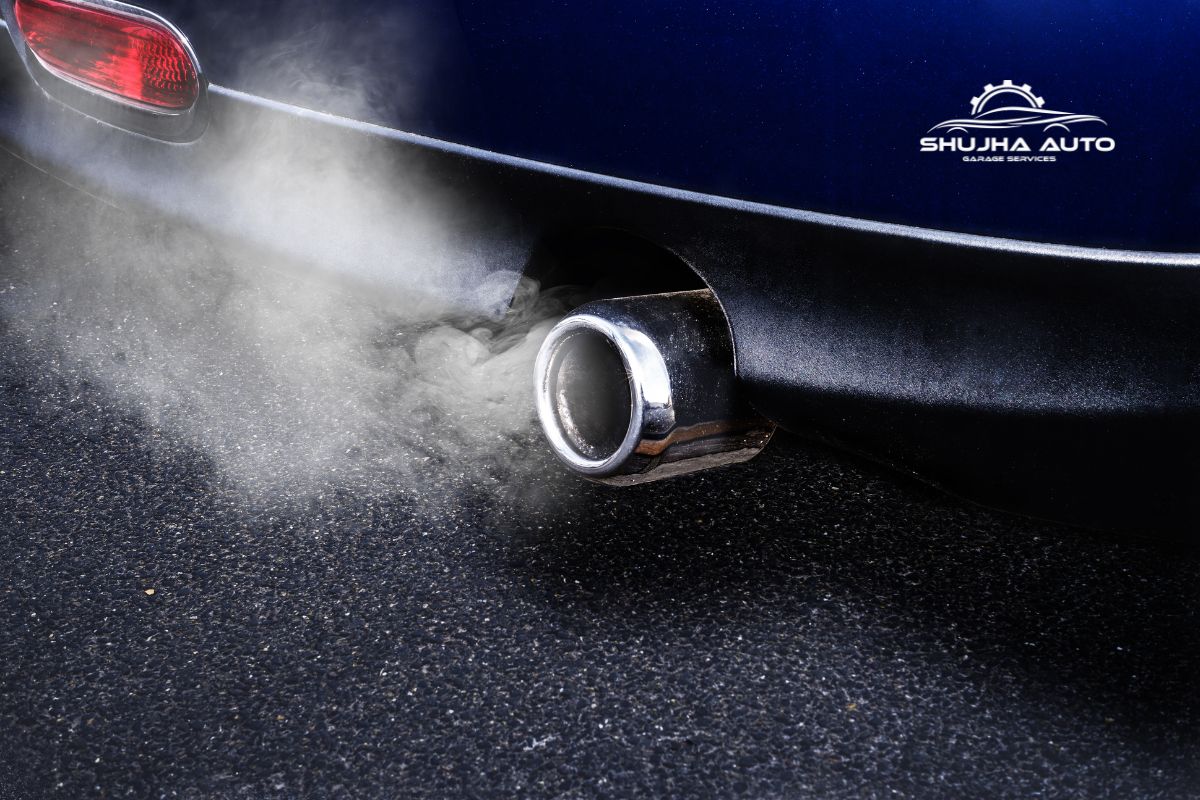
- Exhaust Extraction System: Safety is our priority. This system removes harmful exhaust fumes from the workshop while we run engines indoors.
- Fluid Service Equipment: We use specialized machines for transmission fluid exchange, brake fluid flushing, and coolant exchange. These machines ensure that old fluid is completely removed and new fluid is added without introducing air pockets.
What Happens If an Issue Is Found?
This is one of the most common questions we hear from customers. You bring your car in for a routine check or a specific problem, and we find something unexpected. It is natural to feel anxious when you hear the words, “We found an issue.”
At Shujha Auto Garage Services, we believe in transparency. When we discover an issue during an inspection or repair, here is exactly what happens:
1. We Document the Issue
We do not just tell you something is broken; we show you. In our modern shop, we often take photos or videos of the problem. For example, if we find a leaking shock absorber, we will show you the oil residue on the side of the strut. If we find worn brake pads, we will show you how thin the friction material is compared to a new pad.
2. We Explain the Urgency
Not all issues are emergencies. We categorize findings into three priorities:
- Safety Hazards: These are issues that make the car unsafe to drive, such as brake failure, structural rust, or severe fluid leaks. We will advise you to address these immediately.
- Maintenance Needs: These are items that are worn but not yet failed, like a serpentine belt with small cracks or tires nearing the wear bar. We will let you know how long you likely have before they need replacement.
- Minor Issues: These are things like a burnt-out interior light or a minor fluid seep that does not affect safety. We note these for future reference.
3. We Provide a Detailed Estimate
Before any work begins, we provide a written estimate that breaks down the cost of parts and the labor involved. We explain exactly what we are going to do and why it is necessary.
4. We Ask for Your Approval
We never perform additional repairs without your explicit approval. You have the final say. If you are unsure, we encourage you to ask questions. We want you to feel confident in your decision, whether you choose to have us fix it now, schedule it for later, or even seek a second opinion.
5. We Offer Solutions
If the issue is urgent but budget is a concern, we work with you to find a solution. Sometimes that means prioritizing the most critical repairs first. Our goal is to keep you safe and on the road, not to push unnecessary work.
Are There Any Hidden Fees or Charges?
In the auto repair industry, hidden fees are a common fear. You drop your car off expecting a certain price, and suddenly the bill is much higher. We understand why people worry about this.
At Shujha Auto Garage Services, we built our reputation on honesty. We want you to understand exactly what you are paying for. So, let’s address this directly: No, there are no hidden fees or charges.
Here is how we ensure you never face a surprise on your bill:
- Upfront Pricing: When you approve a repair, the price we quote is the price you pay. If we open up a job and discover that a bolt is broken or an additional part is needed (which happens sometimes with older cars), we stop work and call you immediately. We explain the new situation, provide a revised estimate, and wait for your approval before continuing.
- Shop Supplies: Sometimes you will see a line item for shop supplies or materials. This is not a hidden fee; it is a standard industry charge that covers consumables like rags, lubricants, penetrating oil, and disposal of hazardous waste (like old oil and filters). We are transparent about this charge, and it is clearly listed on your estimate.
- Diagnostic Fees: We do charge a diagnostic fee for complex electrical or drivability issues. However, we explain this fee before we start the work. This fee covers the time our skilled technicians spend using advanced car repair tools and their expertise to pinpoint the exact cause of your problem. If you approve the repair based on our diagnosis, we often credit the diagnostic fee toward the repair cost.
We believe that trust is the most important currency in our business. You should never feel like you are being taken advantage of when you drop off your keys.
What’s Included in the Free Diagnostic Check?
One of the ways we give back to the community at Shujha Auto Garage Services is by offering a free diagnostic check. But what does that actually mean? Many people think it is just “looking under the hood,” but we take it much further.
Our free diagnostic check is a comprehensive visual inspection designed to catch small problems before they become big, expensive ones. Here is exactly what is included:
1. Visual Undercarriage Inspection
We put your vehicle on a lift (or use a floor jack in our drive-in bays) to inspect the underside. We look for:
- Fluid leaks (oil, transmission, coolant, brake fluid).
- Exhaust system rust or holes.
- Suspension component wear (ball joints, tie rods, control arms).
- CV axle boot tears.
- Brake line corrosion.
2. Tire and Wheel Check
We inspect all four tires for:
- Tread depth (measured in 32nds of an inch).
- Uneven wear patterns (which indicate alignment issues).
- Proper inflation pressure.
- Sidewall damage or bulges.
3. Brake System Inspection
We visually inspect the brake pads and rotors through the wheels. We check for:
- Pad thickness.
- Rotor scoring or warping.
- Brake fluid level and condition.
4. Fluid Level and Condition Check
We pop the hood and check the:
- Engine oil (level and color).
- Coolant (level and freeze point).
- Transmission fluid (level and smell).
- Power steering fluid.
- Windshield washer fluid.
5. Battery and Charging System Test
We use a digital battery tester to check the health of your battery and alternator. This tells us if your battery is holding a charge and if the alternator is providing the correct voltage to keep it charged.
6. Belt and Hose Inspection
We visually inspect all drive belts for cracks or glazing, and we squeeze radiator and heater hoses to ensure they are not soft, bulging, or brittle.
7. Lighting and Electrical Check
We turn on all exterior and interior lights to ensure they are working. This includes headlights (high and low beams), turn signals, brake lights, reverse lights, and dome lights.
8. Check Engine Light Code Scan
If your check engine light is on, we connect our diagnostic scanner to read the trouble codes. We provide you with a printout of the codes and a plain-English explanation of what they mean.
What the Free Diagnostic Check Does Not Include
It is important to be clear about the limits of a free check. While we inspect many components, a free diagnostic check is not a full tear-down inspection. For example:
- It does not include removing wheels to measure brake pads with a caliper (though we give a good visual estimate).
- It does not include engine compression tests or leak-down tests.
- It does not include advanced electrical circuit tracing for intermittent issues.
- It does not include a full alignment measurement (that requires our alignment machine).
If our free diagnostic check reveals a deeper issue that requires more time to diagnose, we will discuss that with you before proceeding. We believe in giving you as much information as possible for free, so you can make an informed decision about your vehicle’s health.
Building Your Own Garage: Tips for Organizing Your Tools
Whether you are a beginner working out of a small toolbox or an expert with a massive rolling cabinet, organization is key to efficiency. Here are some tips to keep your auto maintenance tools in order:
- Invest in a Toolbox with Drawers: Portable tool bags are fine for a few items, but a proper steel toolbox with ball-bearing drawers is worth the investment. It protects your tools from rust and moisture.
- Use Foam Drawer Liners: Foam liners prevent tools from sliding around. For a professional look, you can even use shadow foam where you cut out the shape of each tool. This makes it instantly obvious if something is missing.
- Keep Sockets Organized: Use socket rails or trays that hold sockets in order by size. Nothing is more frustrating than searching for a 10mm socket for ten minutes.
- Label Everything: Label your drawers (e.g., Wrenches, Sockets ⅜ Drive, Electrical). It saves time.
- Clean Tools After Use: Wipe down tools with a rag after using them, especially if they got grease or brake dust on them. A light spray with WD-40 or a similar lubricant prevents rust on steel tools.
When to Do It Yourself and When to Call the Pros
Even with the best car maintenance equipment list for beginners and experts, there comes a time when it is smarter to call a professional. Knowing your limits is a sign of wisdom, not weakness.
Good DIY Jobs for Beginners:
- Oil and filter changes
- Air filter replacement
- Cabin air filter replacement
- Battery replacement
- Bulb replacement (headlights, taillights)
- Wiper blade replacement
- Basic brake pad replacement (with proper guidance)
Jobs Best Left to the Professionals:
- Air Conditioning Repair: Handling refrigerant requires certification and specialized recovery machines. Venting refrigerant into the atmosphere is illegal and harmful.
- Electrical Diagnostics: Modern cars have miles of wiring and dozens of computer modules. Without a high-end scan tool and wiring diagrams, you can easily fry a computer module.
- Structural Welding: If you are welding parts that affect the safety structure of the car, it must be done with precision.
- Advanced Suspension Work: While replacing shocks is often DIY-friendly, aligning the suspension requires an alignment machine that costs tens of thousands of dollars.
When you feel a job is beyond your skill level or tool capacity, remember that Shujha Auto Garage Services is here to help. We have the expertise and the automotive workshop equipment to handle any job, big or small.
The Future of Car Repair Tools
The automotive industry is changing rapidly. With the rise of electric vehicles (EVs) and hybrid technology, the tools of the trade are evolving as well.
- High-Voltage Gloves and Insulated Tools: Working on EVs requires tools rated for 1,000 volts to prevent fatal electrocution.
- Battery Lift Tables: EV batteries weigh hundreds of pounds and require special lifting equipment to remove safely.
- Software Updates: More and more repairs now involve software updates rather than mechanical replacements. Technicians need manufacturer subscriptions and high-speed internet connections.
- ADAS Calibration: Advanced Driver Assistance Systems (like lane departure warning and adaptive cruise control) use cameras and radar. After a windshield replacement or suspension repair, these systems often need to be recalibrated using specialized targets and software.
At Shujha Auto Garage Services, we are committed to staying ahead of the curve. We invest in ongoing training and the latest equipment so that we can service not only today’s vehicles but also the vehicles of tomorrow.
Conclusion
Whether you are a beginner looking to change your first oil or an expert rebuilding a classic engine, the right tools make all the difference. A well-stocked garage gives you the freedom to maintain your vehicle on your own terms, saving money and providing a sense of accomplishment.
We hope this guide has helped you understand the car maintenance equipment list for beginners and experts. From the basic socket set to the advanced diagnostic scanner, each tool has a purpose.
But remember, you do not have to do it all alone. If you ever find yourself in need of professional help, facing a job that is too big for your toolbox, or simply want the peace of mind that comes with a certified technician handling your vehicle, we are here for you.
At Shujha Auto Garage Services, we combine high-quality auto maintenance tools, advanced car repair tools, and top-of-the-line automotive workshop equipment with old-fashioned honesty and hard work.
We answer your questions with clarity:
- What happens if an issue is found? We show you, explain it, and ask for your approval before moving forward.
- Are there any hidden fees or charges? Never. We believe in upfront, transparent pricing.
- What’s included in the free diagnostic check? A thorough 20+ point inspection covering your tires, brakes, fluids, belts, battery, and lights—all at no cost to you.
Your car is more than just a machine; it is your freedom, your safety, and often your livelihood. Treat it with care, use the right tools, and when you need a helping hand, drive down to Shujha Auto Garage Services.
We look forward to helping you keep your vehicle running smoothly for many miles to come.