
Bleeding Car Brakes improves brake performance by removing air from the system, ensuring firm pedal response, safer driving, and reliable stopping power.
There is almost no feeling worse for a driver than pushing the brake pedal down and feeling it go spongy or soft. It immediately makes you wonder: Is my car safe to drive? In most cases, a soft pedal means that air has gotten into your brake lines. The solution? You need to know how to bleed car brakes.
Here at Shujha Auto Garage Services, we believe that a well-informed customer is a happy customer. While brake bleeding is a delicate job, understanding what goes into it helps you appreciate the importance of regular maintenance. Whether you are a DIY enthusiast or someone who prefers to leave it to the pros, this guide will walk you through the tools you need, the brake bleeding procedure, and the common pitfalls to avoid.
Let’s dive into the world of brake fluid, bleeder screws, and safety.
What Does Bleeding Your Brakes Actually Mean?
Before we talk about wrenches and fluid, let’s break down the science. Your car’s braking system is hydraulic. This means it uses fluid to transfer the force from your foot to the brakes at each wheel. Unlike solids, liquids don’t compress easily. However, air does.
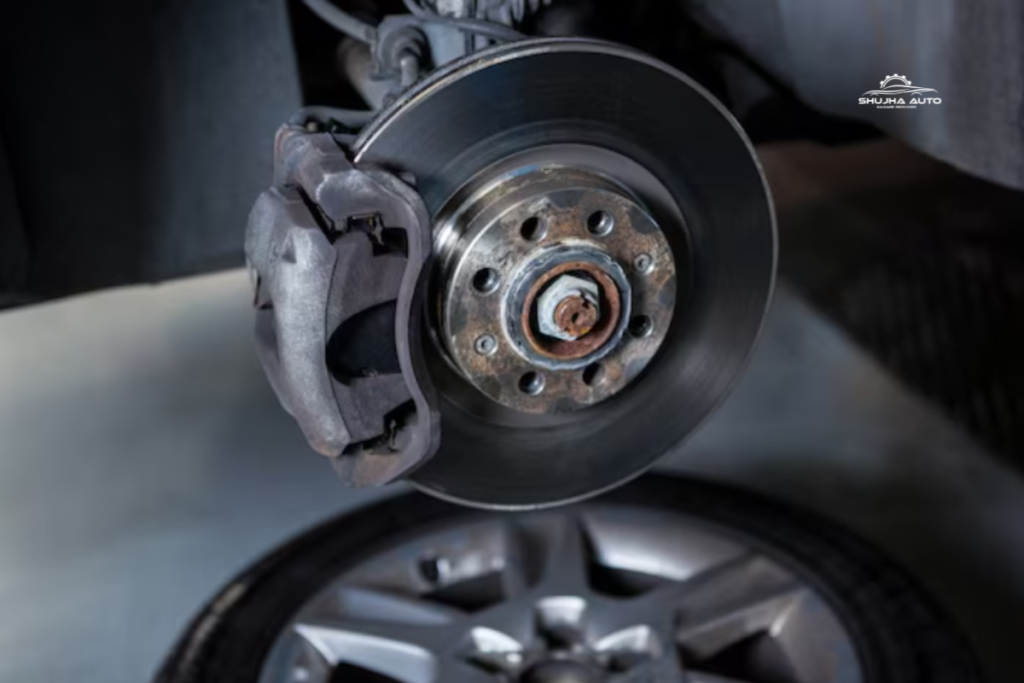
If air bubbles are trapped in the lines, the force from your pedal goes into compressing those air bubbles instead of squeezing the brake pads against the rotors . This results in that scary, spongy feeling.
Bleeding the brakes is simply the process of removing that trapped air and replacing old, contaminated fluid with fresh, clean fluid .
Gathering Your Tools: The Essentials
If you are planning to tackle this job yourself, you cannot just grab any random wrench and hope for the best. Using the correct tools is the first step to avoiding mistakes. Here is what you need:
- The Correct Wrench: Brake bleeder screws are small and often fragile. Using an open-end wrench can easily strip the edges. You need a brake bleeder wrench. These are six-point box-end wrenches designed to grip the screw securely without slipping .
- Clear Tubing and a Container: You need a clear hose that fits snugly over the bleeder screw. The other end goes into a container (like a plastic bottle). The clear tubing lets you see the fluid and the air bubbles as they exit the system .
- Fresh Brake Fluid: Never reuse old fluid. Check your owner’s manual for the correct type (DOT 3, DOT 4, etc.).
- Safety Gear: Brake fluid is corrosive. It can damage your car’s paint and irritate your skin and eyes. Wear gloves and safety glasses .
- A Helper (Usually): The traditional method requires someone to pump the brake pedal while you work at the wheel.
Location: Please Visit Our Shujha Auto Garage
The Brake Bleeding Procedure: Step-by-Step
Now, let’s get to the main event. Performing the brake bleeding steps correctly is vital for your safety. While specific cars may have unique requirements (especially those with ABS), here is the general brake bleeding procedure followed by professionals and DIYers alike.
Step 1: Safety First
Park on a level surface. Loosen the lug nuts, jack up the car, and securely support it with jack stands. Never work under a car supported only by a jack. Remove the wheels .
Step 2: Check the Master Cylinder
Open the hood and locate the brake master cylinder (usually on the driver’s side firewall). Clean the cap thoroughly to prevent dirt from falling inside. Remove the cap and check the fluid level. Top it off. Crucial Warning: During the entire bleeding process, you must keep the master cylinder reservoir full. If it runs dry, you will suck more air into the system, and you will have to start all over again .
Step 3: Find the Bleeder Screw
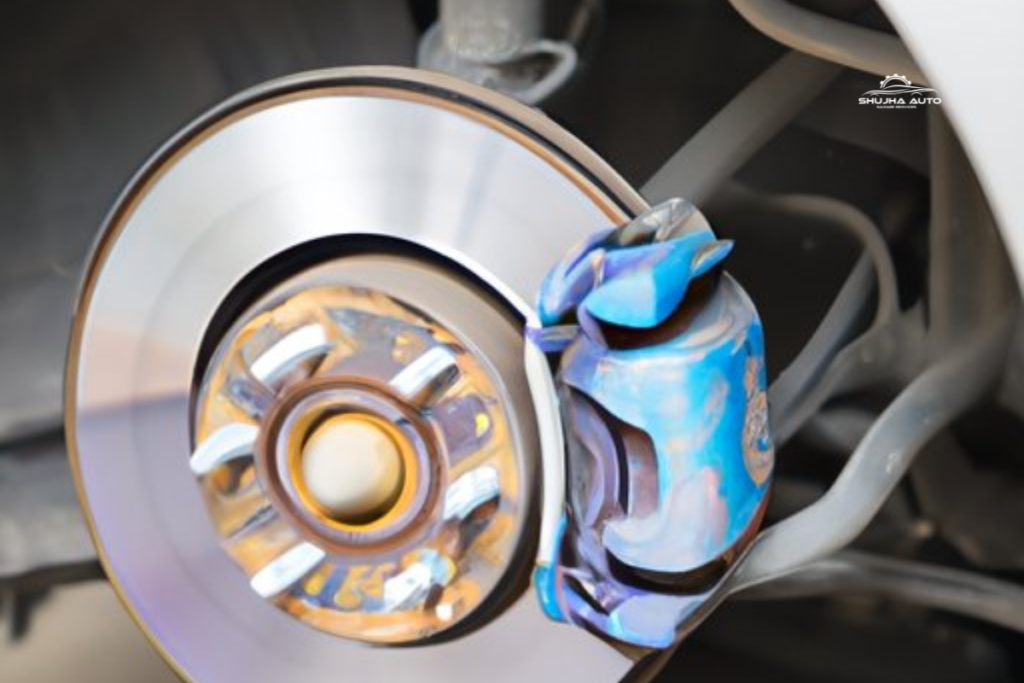
On the back of the brake caliper (or drum brake backing plate), you will find the bleeder screw covered by a small rubber dust cap. Remove the cap.
Step 4: The Bleeding Order
Always start with the wheel farthest from the master cylinder. For most cars, this is the rear passenger side. Then move to the rear driver side, then the front passenger side, and finally the front driver side (closest to the master cylinder) . Following the correct sequence ensures all air is pushed out.
Step 5: The Pump and Hold (Two-Person Method)
- Attach your box-end wrench to the bleeder screw.
- Slide one end of your clear hose over the nipple of the bleeder screw, and put the other end into your catch container with a little fresh fluid in the bottom (this prevents air from being sucked back in).
- Have your helper pump the brake pedal slowly three times and then hold it down firmly.
- While they are holding the pedal down, open the bleeder screw about a quarter to a half turn.
- You will see fluid (and possibly air bubbles) shoot through the hose into the container. The pedal will sink to the floor.
- Tighten the bleeder screw immediately while the pedal is still held down. Never release the pedal before the screw is tight, or you will suck air back in .
- Tell your helper they can release the pedal.
- Check the master cylinder fluid level and top it up.
- Repeat this process for that wheel until you see a steady stream of clean fluid with no bubbles coming through the hose.
Step 6: Move to the Next Wheel
Repeat all steps for each wheel in the correct order. Once done, reinstall the wheels, lower the car, and test the brake pedal. It should feel firm and solid.
Common Mistakes to Avoid
Bleeding brakes sounds simple, but even experienced DIYers can make errors. Here are the most common mistakes we see at Shujha Auto Garage Services:
1. Letting the Master Cylinder Run Dry
This is the number one rookie mistake. If the reservoir empties while you are bleeding, you push air into the system instead of getting it out. This can damage the master cylinder internally .
2. Mixing Up the Bleeding Order
As mentioned, there is a specific order for a reason. Skipping around or starting with the wrong wheel can trap air in the system, leaving you with a spongy pedal even after all that work .
3. Using the Wrong Fluid
Do not mix fluids. For example, NEVER mix DOT 5 (silicone-based) fluid with DOT 3 or DOT 4 (glycol-based) . They are not compatible and mixing them will create a gel-like substance that destroys your braking system . Always use what the manufacturer recommends.
4. Stripping the Bleeder Screw
Bleeder screws are soft and can rust. If you use the wrong wrench or apply too much force, you can round off the edges or snap the screw off inside the caliper. This turns a simple job into an expensive repair requiring caliper replacement . This is where that specialized bleeder wrench comes in handy.
5. Spilling Fluid on Brake Pads or Paint
Brake fluid is like paint thinner. If it spills on your car’s body, it will ruin the paint instantly. If it spills on the brake pads, it contaminates them, leading to reduced braking power and noise .
What Happens If an Issue Is Found?
Sometimes, bleeding the brakes reveals a bigger problem. Perhaps you open the bleeder screw and nothing comes out (a sign of a plugged line). Maybe you see fluid leaking from the caliper piston rather than the screw. Or perhaps, no matter how many times you bleed it, air keeps appearing.
What happens if an issue is found?
At Shujha Auto Garage Services, we believe in complete transparency. If our technicians are performing a brake fluid bleed and discover a deeper issue—such as a seized caliper, a leaking brake line, or a failing master cylinder—we will not just fix it without asking.
We will stop and inform you immediately. We will explain the problem in simple terms, show you the damaged part if possible, and provide a clear, written estimate for the necessary repairs. Your safety is our priority, so we will explain why driving with that issue is dangerous. You are never under any obligation to say yes to the repairs on the spot, but we strongly advise addressing safety issues before leaving the garage.
Are There Any Hidden Fees or Charges?
This is one of the most common questions we get, and it’s a fair one. No one likes surprise costs. When you bring your vehicle to Shujha Auto Garage Services, we pride ourselves on our honesty.
Are there any hidden fees or charges?
Absolutely not. The price we quote for a brake fluid bleed is the price you will see on the final invoice, provided no additional parts or labor are required due to unforeseen circumstances (like the issues mentioned above).
We will always get your explicit approval before any additional work is done. Our invoices are broken down clearly, showing the cost of labor, the cost of fluid, and any applicable taxes. There are no shop supply bumps or mysterious disposal fees added without disclosure. We want you to leave with a safe car and a trust in us that lasts a lifetime.
What’s Included in the Free Diagnostic Check?
At Shujha Auto Garage Services, we want you to understand your car’s health before committing to major work. That’s why we offer a comprehensive Free Diagnostic Check.
What’s included in the free diagnostic check?
This isn’t just a quick glance under the hood. Our free visual safety inspection is thorough and designed to catch problems early . It includes:
- Brake System Inspection: We visually inspect brake lines for rust or leaks, check the condition of brake pads and rotors, and check the master cylinder for leaks.
- Fluid Level Check: We check all vital fluids, including engine oil, coolant, power steering fluid, and of course, brake fluid. We’ll top them up if they are a little low .
- Battery Test: We check the battery’s voltage and overall health to ensure you won’t be stranded with a dead battery.
- Tyre Health: We inspect tyre tread depth and look for uneven wear patterns that could indicate suspension problems.
- Lights and Signals: We ensure all your exterior lights are functioning correctly.
- Suspension Check: We visually inspect shocks, struts, and bushings for wear and tear.
This check gives us a baseline of your car’s condition. If we find something, we discuss it. If everything looks great, we give you peace of mind. It’s a win-win.
DIY or Bring It to the Pros?
Deciding whether to bleed your own brakes or bring them to a professional like Shujha Auto Garage Services often comes down to a few factors: cost, time, and confidence.
However, paying for a professional service buys you more than just fluid replacement. It buys you expertise. Modern cars often have complex Anti-lock Braking Systems (ABS) that require a diagnostic scan tool to cycle the ABS pump during the bleed. If you don’t do this, you can still have air trapped deep in the system .
At Shujha Auto Garage Services, we have the advanced tools and ASE-certified technicians to handle any vehicle, from a simple sedan to a complex luxury SUV. We ensure the job is done right the first time, guaranteeing your safety on the road.
Conclusion
Your car’s braking system is its most critical safety feature. Whether you choose to learn how to bleed car brakes yourself or you bring your vehicle to us, understanding the process empowers you as a car owner.
Remember the key brake bleeding steps: keep the reservoir full, follow the correct order, and never let the pedal up before the screw is tight. Avoid the common mistakes of stripping bleeders or mixing fluids.
And if you ever feel unsure, or if you simply want the peace of mind that comes with a professional touch, Shujha Auto Garage Services is here for you. Our Free Diagnostic Check is always available to help you understand the health of your vehicle, and our transparent pricing means you’ll never face hidden fees.
Drive safe, and we’ll see you at the garage!