
Car transmission slipping is a problem that can make driving uncomfortable, unpredictable, and sometimes unsafe. You may press the accelerator, but the engine RPM increases without the car gaining speed normally. Sometimes the vehicle hesitates before moving, suddenly changes gears, jerks during acceleration, or feels like it has temporarily lost power.
Many drivers immediately assume that a slipping transmission means the entire gearbox needs replacement. However, transmission slipping can happen for several reasons, including low transmission fluid, worn clutch components, faulty shift solenoids, transmission overheating, hydraulic pressure problems, or internal gearbox wear.
Some transmission problems can be repaired with targeted servicing, while others require more extensive mechanical work. The important thing is to identify the actual cause before the problem becomes worse.
In this guide, we will explain the common causes of car transmission slipping, warning signs, automatic and CVT transmission problems, possible repairs, and when to visit Auto Garage Services in Sharjah for gearbox diagnostics, transmission fluid inspection, automatic transmission repair, and car maintenance services.
Quick Answer: Why Is a Car Transmission Slipping?
A car transmission may slip when it cannot transfer engine power to the wheels properly or maintain the correct gear engagement.
Common causes include:
- Low transmission fluid
- Contaminated or incorrect transmission fluid
- Worn internal clutch packs
- Faulty shift solenoids
- Transmission valve body problems
- Low hydraulic pressure
- Torque converter faults
- Transmission overheating
- Damaged clutch components in manual cars
- Internal gearbox wear
One of the most noticeable signs is engine RPM increasing without a matching increase in vehicle speed.
If the car repeatedly slips between gears, delays engagement, or loses acceleration, professional transmission inspection is recommended.
What Is Transmission Slipping?
Transmission slipping happens when the gearbox or clutch system fails to transfer engine power properly.
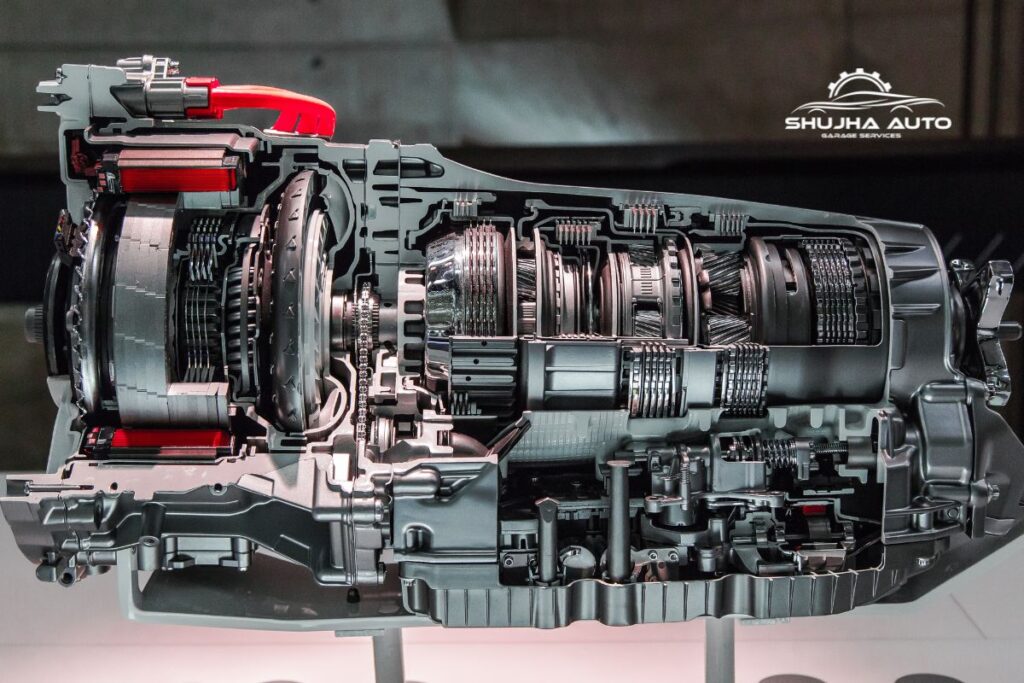
In a conventional automatic transmission, hydraulic pressure and friction components work together to engage the correct gear ratios.
If the pressure becomes insufficient or internal components cannot hold properly, the engine may rev without delivering the expected acceleration.
In manual vehicles, a worn clutch can produce a similar symptom even when the gearbox itself is functioning correctly.
The exact meaning of slipping can vary depending on whether your car has a conventional automatic, CVT, dual-clutch, or manual transmission.
Understanding the transmission type is important before diagnosing the problem.
Common Signs of a Slipping Transmission
Transmission problems often develop gradually. Recognizing early symptoms can help prevent further damage.
1. RPM Increases Without Acceleration
This is one of the clearest signs of transmission slipping.
You press the accelerator, and the engine revs higher, but the vehicle does not gain speed as expected.
The problem may become more noticeable when overtaking, driving uphill, or accelerating onto a highway.
This symptom can indicate inadequate clutch engagement, hydraulic pressure problems, or internal wear.
2. Delayed Gear Engagement
If you select Drive or Reverse and the car takes longer than normal to respond, there may be a transmission problem.
Delayed engagement can occur because of low fluid pressure, worn internal components, or hydraulic control faults.
A small engagement delay may be normal in some vehicles, but a new or worsening delay should be inspected.
3. Jerking or Harsh Gear Shifting
A car may jerk or shift roughly when the transmission is not operating correctly.
Possible causes include faulty shift solenoids, valve body problems, worn mounts, or internal clutch wear.
However, jerking does not always mean actual transmission slipping. Engine misfires and drivetrain faults can produce similar symptoms.
4. Transmission Warning Light
Modern cars may display a transmission warning light or gearbox-related message when the control system detects certain faults.
Some transmission faults may also trigger the check engine light.
A diagnostic scan can help identify relevant fault codes, although mechanical problems do not always produce a code.
5. Burning Smell
A burning smell may indicate overheated transmission fluid or excessive friction inside the gearbox.
It can also come from brakes, engine oil, or other components, so the source must be confirmed.
If the smell is strong or occurs with severe slipping, stop driving safely and arrange an inspection.
6. Unexpected Gear Changes
Some vehicles may change gears unexpectedly, struggle to maintain a gear, or hesitate during shifting.
These symptoms can result from electronic control faults, hydraulic problems, or internal gearbox wear.
7. Poor Acceleration
A slipping transmission can make the vehicle feel weak even when the engine is producing power.
If acceleration becomes delayed or unpredictable, both engine and transmission performance should be checked.
Common Causes of Car Transmission Slipping
Several mechanical, hydraulic, and electrical problems can cause a transmission to slip.
Low Transmission Fluid
Low transmission fluid is an important cause of slipping in many automatic transmissions.
Transmission fluid performs several functions, including lubrication, cooling, and hydraulic pressure control.
If the fluid level drops too low, the gearbox may struggle to apply its internal friction components properly.
Common symptoms include:
- Delayed gear engagement
- Slipping during acceleration
- Harsh shifting
- Transmission overheating
- Unusual gearbox noises
Low fluid levels can result from leaks around seals, gaskets, transmission lines, or related components.
Solution: Have the fluid level checked using the manufacturer’s specified procedure. If a leak is found, repair the source rather than repeatedly adding fluid.
Dirty or Deteriorated Transmission Fluid
Transmission fluid can deteriorate because of heat, contamination, and normal component wear.
As fluid condition changes, the transmission may experience lubrication and hydraulic performance problems.
Possible symptoms include rough gear changes, delayed shifting, and overheating.
However, fluid colour alone does not reliably confirm whether the transmission needs repair.
Solution: Check the vehicle’s maintenance requirements and fluid condition. The correct transmission fluid service may help when fluid-related issues are responsible.
Incorrect Transmission Fluid
Different transmission types require specific fluids.
Using the wrong transmission fluid can affect friction characteristics, hydraulic pressure, and component protection.
This is especially important for CVT and dual-clutch transmissions, which may require specialized fluids.
Solution: Confirm the manufacturer-approved fluid specification before servicing the gearbox.
Worn Internal Clutch Packs
Conventional automatic transmissions use friction clutch packs to engage different gear ratios.
Over time, these components may wear.
When the clutch packs can no longer hold properly, the transmission may slip under load.
Common symptoms include rising RPM without acceleration, delayed engagement, and slipping in particular gears.
Solution: Significant clutch pack wear may require internal transmission repair or rebuilding.
Faulty Shift Solenoids
Shift solenoids are electronically controlled components that regulate hydraulic fluid flow in many automatic transmissions.
If a solenoid becomes faulty, the gearbox may shift incorrectly or fail to maintain the pressure needed for normal operation.
Possible symptoms include harsh shifting, delayed engagement, transmission warning lights, and incorrect gear selection.
Solution: Professional diagnostic scanning and electrical testing can help identify faulty solenoids or associated wiring problems.
Transmission Valve Body Problems
The valve body controls hydraulic fluid flow through passages and valves inside many automatic transmissions.
If its components wear, stick, or develop pressure-control problems, the gearbox may shift poorly or slip.
Valve body faults can sometimes produce symptoms similar to low transmission fluid or defective solenoids.
Solution: The technician should assess hydraulic operation, electronic controls, and relevant fault information before recommending repair.
Torque Converter Problems
A torque converter transfers engine power to the transmission in many conventional automatic vehicles.
Some torque converter faults can cause shuddering, unusual RPM changes, or inefficient power transfer.
A faulty lock-up clutch may also produce slipping-like symptoms at certain driving speeds.
Solution: Proper diagnosis helps distinguish torque converter problems from engine misfires, transmission clutch wear, or other drivetrain faults.
Transmission Overheating
Excessive transmission heat can reduce fluid performance and accelerate internal component wear.
Possible contributing factors include:
- Low transmission fluid
- Heavy vehicle loads
- Cooling system problems
- Internal transmission friction
- Prolonged slipping
- Severe driving conditions
Transmission overheating may cause rough shifting, warning messages, or reduced driving performance.
Solution: Identify and repair the reason for overheating before further transmission damage develops.
Internal Transmission Wear
High mileage, inadequate lubrication, overheating, and prolonged mechanical stress can contribute to internal gearbox wear.
Affected components may include friction elements, bearings, seals, and other transmission parts.
Solution: A detailed inspection is required to determine whether targeted repair, rebuilding, or replacement is necessary.
Automatic Transmission Slipping: Common Problems
Automatic transmission slipping is often associated with hydraulic pressure, clutch engagement, or electronic control problems.
A conventional automatic gearbox depends on several systems working together.
If one system fails, the transmission may struggle to hold the correct gear.
Common problems include low fluid, deteriorated fluid, damaged clutch packs, solenoid faults, valve body wear, and torque converter issues.
The technician should identify which gear or driving condition produces the slipping.
For example, a transmission slipping only during a particular shift may require a different diagnosis from one that slips continuously under acceleration.
CVT Transmission Slipping: Signs and Causes
A continuously variable transmission, commonly called a CVT, operates differently from a traditional automatic gearbox.
Most CVTs adjust their effective gear ratio continuously rather than shifting through a conventional series of fixed gears.
This means higher or steadier engine RPM during acceleration can be normal in certain CVT vehicles.
However, abnormal shuddering, poor acceleration, delayed engagement, warning lights, or loss of drive may indicate a problem.
Possible causes include:
- Incorrect CVT fluid
- CVT hydraulic pressure faults
- Valve body problems
- Control solenoid faults
- Worn internal components
- Pulley or belt-related damage
- Overheating
Important: Do not assume that every increase in engine RPM means a CVT is slipping. Proper diagnosis should compare vehicle behaviour with the manufacturer’s normal operating characteristics.
Manual Transmission Slipping: Clutch Problems
In manual cars, slipping often involves the clutch rather than the gearbox itself.
The clutch transfers engine power to the transmission.
When the clutch friction material becomes worn or contaminated, it may not hold firmly under load.
Common signs include:
- Engine RPM rising without matching acceleration
- Burning clutch smell
- Poor acceleration uphill
- Difficulty moving under load
- High clutch engagement point
- Slipping during strong acceleration
A worn clutch may require replacement, while hydraulic or adjustment-related issues may need different repairs.
A professional clutch inspection helps identify the cause.
Why Does a Transmission Slip When Accelerating?
Transmission slipping during acceleration is particularly noticeable because the drivetrain must transfer increased engine torque.
If internal clutch components cannot hold properly, the engine may rev higher without delivering the expected acceleration.
Possible causes include low transmission fluid, worn clutch packs, hydraulic pressure problems, or torque converter faults.
In manual vehicles, a worn clutch is another common possibility.
If slipping occurs during overtaking or highway merging, it can create a safety risk because acceleration may become unpredictable.
Why Does a Transmission Slip When Driving Uphill?
Driving uphill places additional load on the engine and drivetrain.
A weakened transmission or clutch may show symptoms under load before problems become noticeable during normal driving.
You may notice:
- RPM increasing unexpectedly
- Vehicle struggling to climb
- Delayed acceleration
- Burning smell
- Transmission warning messages
However, poor uphill performance can also be caused by engine problems or normal gear-ratio changes.
A technician should confirm whether actual transmission slipping is occurring.
Why Does a Transmission Slip After Warming Up?
Sometimes a car shifts normally when cold but begins slipping after driving for some time.
This may indicate problems affected by operating temperature.
Possible causes include deteriorated fluid, hydraulic pressure loss, internal wear, or transmission overheating.
As the transmission reaches operating temperature, existing weaknesses may become more noticeable.
A professional diagnosis may involve checking transmission operation and relevant data at different temperatures.
Can Transmission Slipping Cause Complete Gearbox Failure?
Yes. Depending on the cause, continued transmission slipping can increase friction, heat, and internal wear.
For example, if worn clutch packs continue slipping, the friction material may deteriorate further.
This can contaminate transmission fluid and affect other internal components.
Likewise, driving with insufficient fluid can lead to lubrication and hydraulic problems.
However, not every slipping symptom means complete gearbox failure is inevitable.
Early diagnosis may reveal a repairable issue before extensive damage occurs.
Is It Safe to Drive With a Slipping Transmission?
Driving safety depends on how severe the problem is.
Mild or occasional symptoms still require inspection, but severe slipping can make the vehicle unpredictable.
You should stop safely and arrange professional assistance if:
- The car suddenly loses drive
- Acceleration becomes dangerously unpredictable
- The transmission overheats
- There is a strong burning smell
- Gears fail to engage
- Severe slipping continues
- The car cannot maintain speed safely
If the vehicle cannot be driven reliably, towing is safer than continuing to drive.
What Should You Check First?
If your car appears to be slipping, there are a few safe observations you can make.
Check for Transmission Fluid Leaks
Look for fresh fluid spots beneath the parked vehicle.
Do not touch hot transmission components or crawl beneath an unsupported car.
Notice When the Problem Happens
Pay attention to whether slipping occurs during acceleration, uphill driving, specific gear changes, or after warming up.
Check Dashboard Warning Lights
Transmission or engine warning lights may provide useful information for diagnosis.
Identify the Transmission Type
Knowing whether your vehicle uses a conventional automatic, CVT, dual-clutch, or manual gearbox helps determine the correct inspection and service procedures.
Avoid Repeated Hard Acceleration
Do not deliberately accelerate aggressively to reproduce slipping. This can increase heat and damage.
Avoid adding transmission fluid without confirming the correct specification and level-checking procedure. Some modern transmissions require specialized equipment and temperature-controlled checks.
What Happens During Transmission Slipping Diagnosis?
A proper transmission diagnosis helps distinguish hydraulic, electronic, mechanical, and engine-related faults.
At Auto Garage Services in Sharjah, a relevant inspection may include:
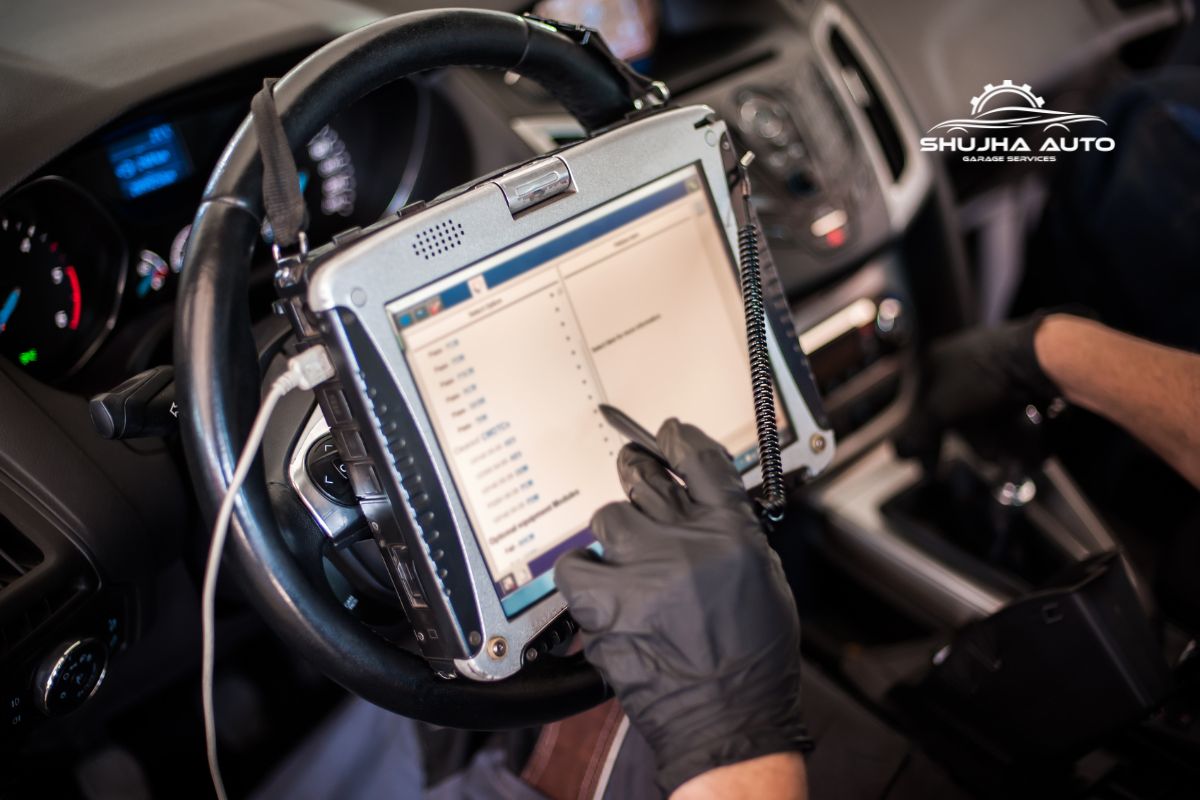
- Transmission diagnostic scanning
- Checking stored fault codes
- Inspecting transmission fluid condition
- Checking fluid level where applicable
- Inspecting transmission leaks
- Reviewing relevant sensor readings
- Evaluating shift solenoids
- Checking valve body operation
- Assessing transmission temperature
- Inspecting engine performance
- Checking clutch or torque converter operation
- Road testing when safe
Not every transmission problem generates a diagnostic trouble code.
That is why professional diagnosis should combine electronic data with mechanical inspection.
Common Repairs for Car Transmission Slipping
The correct repair depends on the actual fault.
Transmission Fluid Service
If the problem involves unsuitable or deteriorated fluid, an appropriate fluid service may help.
However, changing transmission fluid will not repair severely worn internal components.
Transmission Leak Repair
Damaged seals, gaskets, hoses, or related components may need replacement to prevent further fluid loss.
Shift Solenoid Repair
A confirmed solenoid or associated electrical fault may require repair or replacement.
Valve Body Repair
Hydraulic pressure problems involving the valve body may require specialist servicing or component replacement.
Torque Converter Repair
If diagnosis confirms a torque converter fault, repair or replacement may be necessary.
Clutch Replacement
Manual vehicles with worn clutch assemblies may require clutch replacement.
Some dual-clutch transmissions may also require specialized clutch-related repairs.
Transmission Rebuilding
If multiple internal components are damaged, rebuilding the gearbox may be an option.
Complete Transmission Replacement
In some cases, extensive internal damage may make replacement more practical than rebuilding.
The decision should be based on diagnostic findings, repair costs, parts availability, and vehicle condition.
Will Changing Transmission Fluid Stop Slipping?
Changing transmission fluid may improve shifting if the original problem was caused by fluid-related issues.
However, it is not a guaranteed solution.
A transmission with worn clutch packs, internal pressure leaks, or damaged mechanical components may continue slipping after a fluid change.
An aggressive transmission flush is not automatically suitable for every gearbox.
The correct approach is to identify the transmission type, assess fluid condition, review maintenance history, and follow manufacturer recommendations.
Avoid approving a fluid service solely because the transmission is slipping without understanding the likely cause.
How to Prevent Transmission Slipping
Regular maintenance and responsible driving can reduce the risk of some transmission problems.
Follow the Transmission Service Schedule
Use the manufacturer’s maintenance recommendations for fluid inspection and replacement.
Use the Correct Transmission Fluid
Always use the fluid specification approved for your vehicle.
Repair Leaks Early
Do not ignore fluid leaks or repeated low-fluid conditions.
Avoid Transmission Overheating
Pay attention to transmission temperature warnings and unusual burning smells.
Avoid Abrupt Gear Changes
Bring the vehicle to a complete stop before shifting between Drive and Reverse.
Inspect Unusual Shifting Early
Jerking, delayed engagement, and slipping should be checked before they become severe.
Maintain the Cooling System
Some vehicles use transmission cooling systems that depend on proper cooling performance.
Keeping these components in good condition can help control transmission temperature.
Transmission Problems in UAE Driving Conditions
Vehicles in Sharjah and Dubai often operate in high temperatures and heavy traffic.
Frequent stopping, starting, and driving in hot conditions can place additional demands on transmission components and cooling systems.
However, UAE heat does not automatically cause a healthy transmission to slip.
If slipping becomes noticeable after long periods in traffic or during hot weather, the gearbox should be inspected for existing fluid, cooling, hydraulic, or mechanical problems.
Regular maintenance is particularly important for vehicles used daily, covering long distances, or carrying heavy loads.
Is Transmission Slipping Repair Expensive in Sharjah?
Transmission repair costs depend on the vehicle model, transmission type, damaged components, and labour requirements.
A fluid leak repair, suitable fluid service, or electrical fault may cost less than internal gearbox rebuilding.
Repairs involving torque converters, clutch packs, valve bodies, or complete transmission replacement may be more expensive.
A proper inspection is necessary before providing an accurate quotation.
The most cost-effective approach is to identify the cause before replacing expensive parts.
Are There Any Hidden Fees or Charges?
Before approving transmission repairs, ask what is included in the quotation.
Important details may include:
- Diagnostic inspection
- Transmission fluid
- Filters and seals
- Replacement components
- Labour charges
- Electronic programming where needed
- Road testing
- Repair warranty terms
Auto Garage Services can inspect the vehicle and explain recommended repair work before you decide how to proceed.
Why Choose Auto Garage Services?
Auto Garage Services provides car gearbox and transmission repair services in Al Sajaah, Emirates Industrial City, Sharjah.
If your car transmission is slipping, jerking, delaying engagement, or producing unusual noises, the team can assess relevant transmission and drivetrain components.
Depending on the problem, the vehicle may require transmission fluid inspection, electronic diagnosis, leak repair, clutch inspection, or more extensive gearbox work.
The goal is to identify the actual fault rather than assuming every slipping transmission needs replacement.
Drivers in Sharjah and nearby areas can contact Auto Garage Services for automatic transmission repair, gearbox diagnostics, transmission slipping inspection, and related vehicle maintenance services.
When Should You Visit Auto Garage Services?
You should arrange a transmission inspection if your vehicle shows any of the following symptoms:
- RPM rising without matching acceleration
- Transmission slipping during gear changes
- Delayed engagement in Drive or Reverse
- Jerking during acceleration
- Burning transmission smell
- Transmission fluid leakage
- Transmission warning light
- Unusual gearbox noise
- Slipping when driving uphill
- Transmission overheating
- Vehicle losing drive unexpectedly
Early diagnosis may help identify repairable problems before more extensive transmission damage develops.
FAQs
1. What causes car transmission slipping?
Car transmission slipping may be caused by low or contaminated transmission fluid, worn clutch packs, faulty shift solenoids, valve body problems, low hydraulic pressure, torque converter faults, overheating, or internal gearbox damage.
2. What are the signs of a slipping transmission?
Common signs include engine RPM increasing without matching acceleration, delayed gear engagement, unexpected gear changes, poor acceleration, transmission warning lights, and slipping under load.
3. Can low transmission fluid cause slipping?
Yes. In many automatic transmissions, low fluid can reduce the hydraulic pressure needed to engage internal friction components properly. This may cause slipping, delayed shifting, and overheating.
4. Can changing transmission fluid fix slipping?
It may help if fluid condition or an incorrect fluid specification is responsible. However, it cannot repair worn clutch packs, damaged internal components, or other mechanical faults.
5. Why does a transmission slip when accelerating?
Slipping during acceleration can occur when internal friction components cannot hold under increased engine torque. Possible causes include low fluid, pressure problems, clutch wear, or torque converter faults.
6. Why does a transmission slip when hot?
Heat can make existing hydraulic pressure problems, worn components, or fluid-related issues more noticeable. Transmission overheating may also contribute to abnormal operation.
7. Can a CVT transmission slip?
Yes, CVT transmissions can develop internal or hydraulic problems that cause abnormal power transfer. However, higher engine RPM during acceleration can be normal for some CVTs and should not automatically be treated as slipping.
8. Is transmission slipping dangerous?
It can be dangerous because the vehicle may lose acceleration or fail to transfer power reliably. Severe slipping, overheating, or loss of drive requires immediate attention.
9. Does a slipping transmission always need replacement?
No. Some problems may be repaired through leak repair, appropriate fluid servicing, electrical repairs, or targeted component replacement. Major internal damage may require rebuilding or replacement.
10. Can a manual transmission slip?
A manual car can experience clutch slipping when the clutch fails to transfer power properly. This often causes engine RPM to rise without a matching increase in vehicle speed.
11. How do mechanics diagnose transmission slipping?
Mechanics may inspect transmission fluid, check for leaks, scan fault codes, review sensor readings, assess hydraulic pressure and clutch operation, and perform a controlled road test when safe.
12. Does Auto Garage Services repair slipping transmissions in Sharjah?
Auto Garage Services provides gearbox and transmission repair services in Sharjah. Its team can inspect transmission slipping symptoms and recommend appropriate diagnostic or repair work based on the vehicle’s condition.
Final Words
Car transmission slipping is a warning sign that should not be ignored. The problem may result from low transmission fluid, worn clutch packs, hydraulic pressure faults, damaged solenoids, torque converter problems, overheating, or internal gearbox wear.
However, a slipping transmission does not automatically mean the entire gearbox needs replacement.
Some issues may be resolved through targeted repairs, while others require more extensive mechanical work.
The most important step is proper diagnosis before replacing parts.
If your car slips between gears, struggles to accelerate, delays engagement, or produces unusual transmission noises, visit Auto Garage Services in Sharjah for gearbox diagnostics, automatic transmission repair, transmission fluid inspection, clutch inspection, and related vehicle maintenance services.
Book a transmission inspection with Auto Garage Services before a minor gearbox problem becomes an expensive repair.