
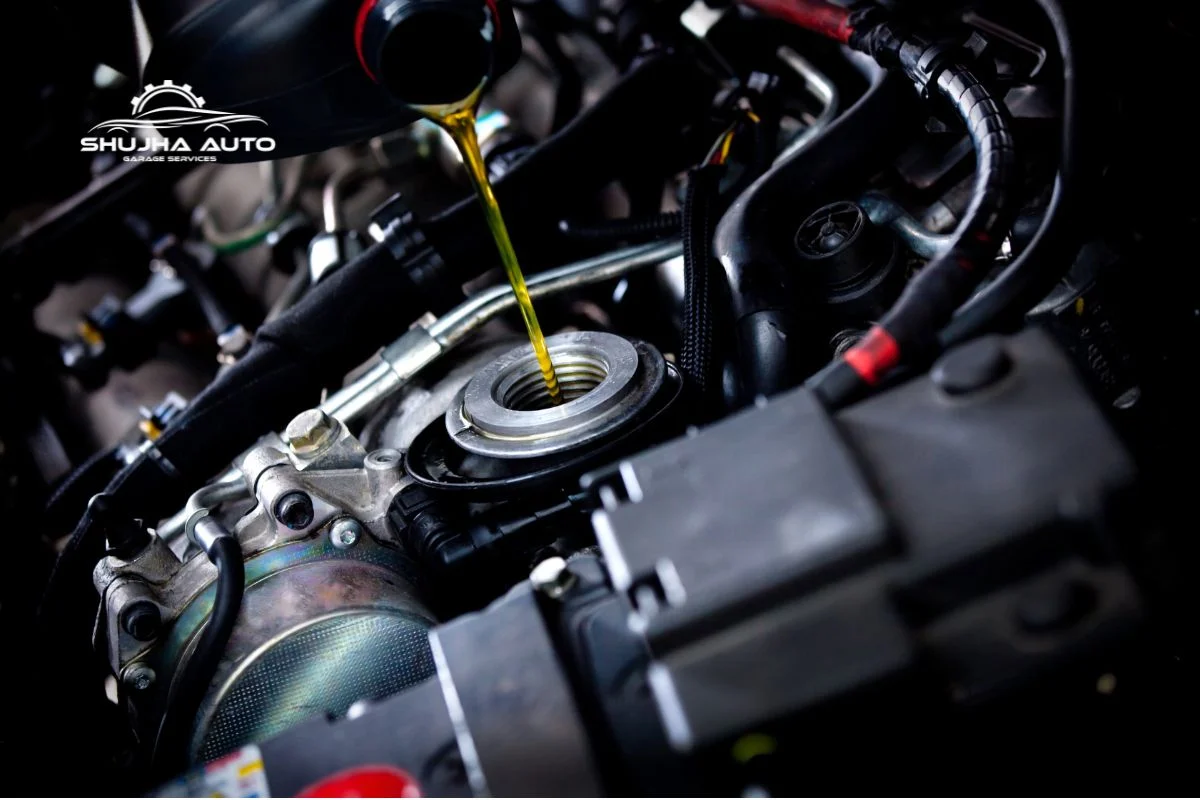

Delaying your car oil change may seem like a small thing, especially if the car is still driving normally. Many drivers think they can wait a few extra weeks or a few thousand kilometers before changing engine oil. But engine oil plays a very important role in protecting your engine, and once it becomes old, dirty, or weak, it can no longer do its job properly.
Engine oil lubricates moving parts, reduces friction, controls heat, cleans dirt, and protects the engine from wear. When you delay oil change service, the oil starts breaking down. It becomes dirty, thick, contaminated, and less effective. Over time, this can lead to engine noise, overheating, sludge buildup, poor fuel economy, oil pressure problems, and even serious engine damage.
In this guide, we will explain what happens if you delay your car oil change, common warning signs, how old oil affects your engine, repair risks, and when to visit Auto Garage Services for oil change service, engine oil inspection, oil leak inspection, engine diagnostic service, or car maintenance service.
Quick Answer: What Happens If You Delay Your Car Oil Change?
If you delay your car oil change, the engine oil becomes dirty and loses its ability to lubricate and protect engine parts. This can cause increased friction, engine sludge, overheating, poor performance, reduced fuel economy, low oil pressure, engine knocking, and long-term engine wear.
A short delay may not immediately destroy the engine, but regularly delaying oil changes can cause expensive damage. If your oil is dark, thick, low, or your oil warning light appears, you should get the oil changed and the engine inspected quickly.
Why Engine Oil Is So Important
Your engine has many metal parts moving at high speed. These parts create friction and heat. Engine oil forms a protective layer between these parts so they do not rub directly against each other.
Engine oil helps by:
- Lubricating moving engine parts
- Reducing friction
- Controlling engine heat
- Cleaning dirt and deposits
- Preventing rust and corrosion
- Protecting seals and gaskets
- Reducing wear and tear
- Supporting smooth engine performance
When oil is fresh and clean, the engine runs more smoothly. When oil is old and dirty, protection becomes weaker.
What Happens to Oil Over Time?
Engine oil does not stay fresh forever. As you drive, the oil collects dirt, carbon, fuel residue, moisture, and tiny metal particles. Heat also breaks down the oil and reduces its strength.
Old oil may become:
- Dark and dirty
- Thick and sticky
- Contaminated with sludge
- Less effective at lubrication
- Weak against heat
- Poor at cleaning engine parts
- Unable to protect the engine properly
This is why regular oil change service is important. It removes old contaminated oil and replaces it with fresh oil and a new oil filter.
Engine Sludge Buildup
One of the biggest risks of delaying oil change is engine sludge. Sludge is thick, sticky buildup that forms when oil becomes old and contaminated.
Sludge can block oil passages and stop oil from reaching important engine parts. This can cause low oil pressure, overheating, engine noise, and internal wear.
Common signs of engine sludge include:
- Thick dark oil
- Ticking or knocking sound
- Oil warning light
- Poor engine performance
- Overheating
- Dirty oil cap area
- Reduced fuel economy
Once sludge forms, a simple oil change may not be enough. The engine may need cleaning or deeper inspection.
Increased Engine Friction
Fresh engine oil reduces friction between moving parts. When the oil becomes old, it loses this ability. Engine parts start working harder and rubbing more than they should.
This can lead to:
- Faster engine wear
- More heat
- Poor acceleration
- Rough engine sound
- Reduced engine life
- Internal damage over time
The longer you delay oil change, the more stress your engine faces.
Engine Overheating
Engine oil helps control heat inside the engine. If oil becomes old, thick, or low, it cannot move properly through the engine. This increases heat and can contribute to overheating.
Overheating may also happen if old oil creates sludge and blocks oil flow. When engine parts do not get enough lubrication, they create more heat.
If your car overheats and the oil is old or low, the engine should be checked immediately.
Poor Fuel Economy
Dirty oil makes the engine work harder. When the engine has more friction, it needs more fuel to perform the same work.
You may notice:
- More frequent fuel refills
- Reduced mileage
- Slow acceleration
- Heavy engine feel
- Rough driving experience
A timely oil change can help the engine run more efficiently and smoothly.
Engine Noise and Knocking
Old or low oil can cause engine noise because parts are not properly lubricated. You may hear ticking, tapping, knocking, or rough engine sound.
Light ticking may be an early warning. A deep knocking sound can be more serious and may indicate internal wear or low oil pressure.
If your engine starts making noise after delaying oil change, do not ignore it. Visit Auto Garage Services for engine oil inspection and engine diagnostic service.
Low Oil Pressure Problems
Oil pressure is important because it helps oil move through the engine. If oil becomes too dirty, thick, or low, oil pressure may drop.
Low oil pressure can cause:
- Oil warning light
- Engine ticking
- Knocking sound
- Overheating
- Poor lubrication
- Serious engine damage
If the oil warning light appears, stop safely and check the oil level. Do not continue driving if the warning stays on.
Oil Filter Becomes Clogged
During an oil change, the oil filter is usually replaced. The oil filter removes dirt and particles from the oil. If you delay oil change, the filter can become clogged.
A clogged oil filter may reduce oil flow and allow dirty oil to circulate through the engine. This increases wear and can affect engine performance.
This is why oil filter replacement is important with every oil change.
Reduced Engine Performance
Delayed oil change can make the engine feel weak, heavy, or less responsive. The car may not accelerate as smoothly, and the engine may feel rough.
You may notice:
- Slow acceleration
- Rough idle
- Engine hesitation
- Higher fuel consumption
- Unusual noise
- Poor response when driving uphill
These symptoms may not always be caused only by oil, but old oil can be one of the reasons.
Higher Risk of Oil Leaks
Old oil and poor maintenance can affect seals and gaskets over time. If seals become weak, oil may start leaking.
Oil leaks can appear under the car, around the valve cover, oil pan, drain plug, oil filter, or engine seals.
If you notice oil spots under your car, burning oil smell, or low oil level, get an oil leak inspection quickly.
Damage to Turbocharged Engines
Turbo engines depend heavily on clean oil. The turbocharger spins at very high speed and needs proper lubrication and cooling.
If oil is old, dirty, or low, the turbo can suffer damage. This may cause turbo noise, smoke, power loss, oil burning, and expensive repairs.
For turbocharged cars, delaying oil change is especially risky.
Can Delaying Oil Change Damage the Engine?
Yes, delaying oil change can damage the engine if it happens repeatedly or for too long. A small delay may not immediately destroy the engine, but long delays increase the risk of serious wear.
Possible engine damage includes:
- Worn bearings
- Damaged piston rings
- Valve train wear
- Timing chain problems
- Sludge blockage
- Low oil pressure damage
- Overheating damage
- Complete engine failure
Regular oil change is much cheaper than engine repair.
How Long Can You Delay an Oil Change?
You should avoid delaying oil change beyond the recommended interval. Most cars need an oil change every 5,000 to 10,000 kilometers or every 6 months, depending on oil type, vehicle model, and driving conditions.
In UAE conditions, heat, dust, traffic, and frequent AC use can make engine oil work harder. For many daily-use cars, earlier oil changes are safer, especially if the car is older, turbocharged, or driven in heavy traffic.
The best rule is to follow whichever comes first: mileage limit or time limit.
Signs You Delayed Your Oil Change Too Long
Your car may show warning signs when oil change is overdue.
Common signs include:
- Dark or thick oil
- Low oil level
- Oil warning light
- Check engine light
- Engine ticking or knocking
- Burning oil smell
- Poor fuel economy
- Rough engine performance
- Overheating
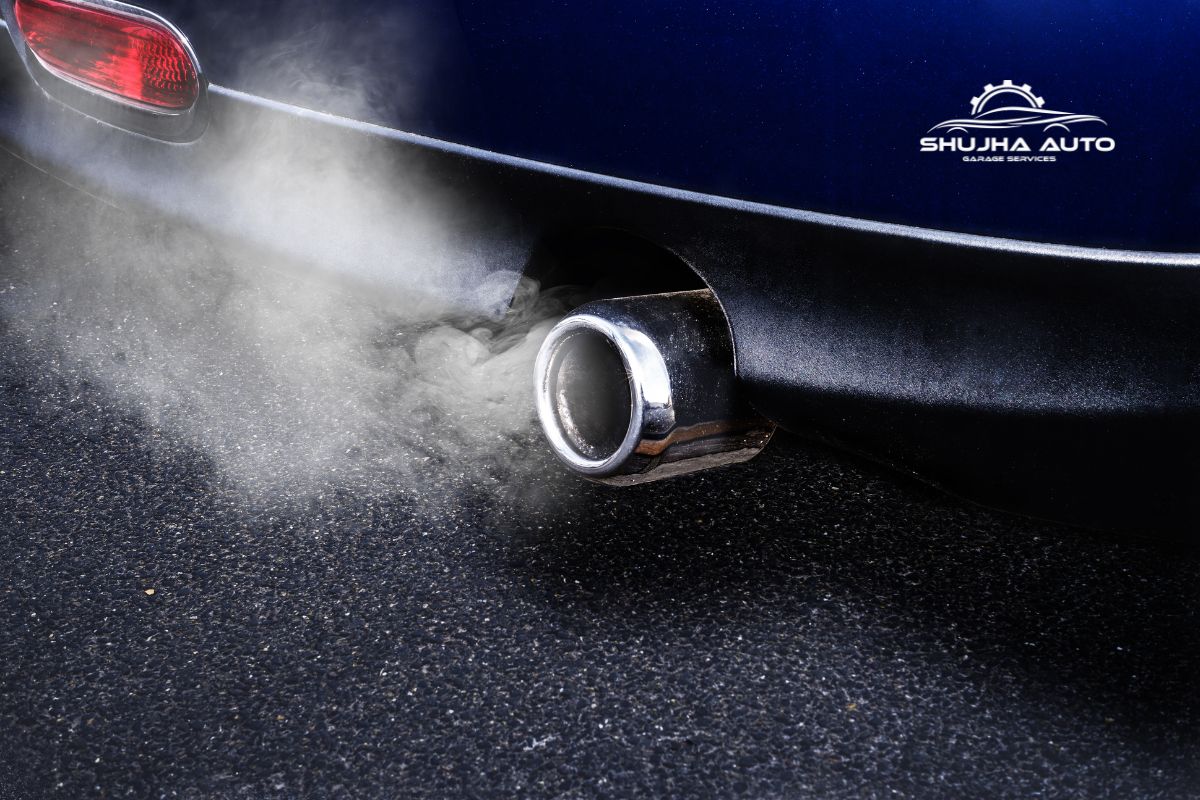
- Smoke from exhaust
- Sluggish acceleration
If you notice these signs, do not wait. Get the oil changed and the engine inspected.
What Should You Do If Your Oil Change Is Overdue?
If your oil change is overdue, the first step is to check the oil level and condition. If the oil is very low, dark, thick, or smells burnt, avoid long driving.
You should:
- Check oil level safely
- Avoid hard acceleration
- Watch for warning lights
- Avoid long trips
- Book oil change service
- Replace the oil filter
- Inspect for leaks
- Ask for engine condition check
If there is engine noise, overheating, or oil warning light, visit a garage immediately.
What Happens During Oil Change Service?
A proper oil change service should include more than just replacing the oil. The technician should also check related components.
At Auto Garage Services, oil change service may include:
- Draining old engine oil
- Replacing the oil filter
- Adding correct oil grade
- Checking oil level
- Inspecting for oil leaks
- Checking oil condition
- Inspecting engine sound
- Checking warning lights
- Basic engine inspection
- Advising if further repair is needed
This helps make sure your car gets the right oil and any early warning signs are noticed.
Why Correct Oil Grade Matters
Using the correct oil grade is very important. The wrong oil can affect lubrication, fuel economy, engine noise, oil pressure, and long-term engine health.
Oil that is too thin may not protect the engine properly. Oil that is too thick may not flow quickly enough, especially during startup.
Auto Garage Services can check the correct oil grade for your car and inspect the engine if you are not sure what oil was used before.
Is an Oil Change Expensive?
Oil change service is usually one of the most affordable car maintenance services. The cost depends on car model, oil type, oil quantity, oil filter, and service requirements.
Synthetic oil may cost more than conventional oil, but many modern engines require it for better protection.
Compared to engine repair, oil change service is a small cost. Delaying oil change can lead to much bigger expenses.
Are There Any Hidden Fees or Charges?
A trusted garage should explain what is included in the oil change service before starting work. You should know the oil type, oil quantity, filter replacement, and any additional inspection or repair recommendations.
Auto Garage Services focuses on clear service guidance and honest inspection. If an oil leak, warning light, or engine issue is found, it should be explained before any extra work begins.
Free Diagnostic Check for Delayed Oil Change
If you delayed your oil change and now notice engine noise, oil smell, warning lights, smoke, or poor performance, a diagnostic check can help identify whether any damage has started.
Auto Garage Services can inspect engine oil level, oil condition, oil leaks, engine sound, oil warning light, check engine light, and overall engine health.
This is useful if your oil change is overdue and you want to avoid bigger engine problems.
How to Avoid Oil Change Problems
You can protect your engine with simple maintenance habits.
Follow the Service Schedule
Do not wait too long after the recommended oil change interval.
Use Correct Engine Oil
Always use the oil grade recommended for your car.
Replace Oil Filter
Change the oil filter with every oil change.
Check Oil Level Regularly
Check the oil level at least once a month or before long drives.
Fix Oil Leaks Early
Oil leaks can cause low oil level and engine damage.
Watch Warning Lights
Never ignore oil warning light or check engine light.
Keep Service Records
Service records help you remember when the next oil change is due.
Why Choose Auto Garage Services?
Auto Garage Services provides oil change service, engine oil inspection, oil leak inspection, engine diagnostic service, oil filter replacement, and complete car maintenance service.
If your oil change is overdue or your car is showing warning signs, the team can inspect the engine, use the correct oil grade, replace the oil filter, and check for early signs of damage.
Drivers choose Auto Garage Services because of experienced technicians, proper service process, clear communication, practical maintenance advice, and customer-focused service.
When Should You Visit Auto Garage Services?
You should visit Auto Garage Services if your oil change is overdue, your engine oil is dark or low, or your car shows any oil-related warning signs.
You should also visit if you notice:
- Oil warning light
- Check engine light
- Engine knocking
- Ticking sound
- Burning oil smell
- Oil spots under the car
- Smoke from exhaust
- Poor fuel economy
- Overheating
- Rough performance
Early inspection can protect your engine and reduce repair costs.
FAQs
1. What happens if you delay your car oil change?
If you delay your car oil change, the oil becomes dirty and weak. This can cause engine sludge, increased friction, overheating, poor fuel economy, low oil pressure, engine noise, and long-term engine wear.
2. Can delaying oil change damage the engine?
Yes, delaying oil change for too long can damage the engine. Old oil cannot lubricate properly, which can lead to worn parts, sludge buildup, overheating, and expensive engine repair.
3. How long can you go without an oil change?
You should follow your car’s recommended oil change interval. Many cars need oil change every 5,000 to 10,000 kilometers or every 6 months, depending on oil type, car model, and driving conditions.
4. What are signs of overdue oil change?
Signs include dark oil, thick oil, low oil level, oil warning light, engine ticking, knocking sound, burning oil smell, poor fuel economy, rough performance, overheating, or smoke.
5. Is it bad to drive with old engine oil?
Yes, driving with old engine oil can increase friction and wear inside the engine. It may also cause sludge, low oil pressure, overheating, and poor engine performance.
6. Can old oil cause engine knocking?
Yes, old or low oil can cause knocking because engine parts are not getting proper lubrication. A knocking sound should be inspected quickly.
7. Can delayed oil change cause overheating?
Yes, delayed oil change can contribute to overheating because old oil cannot control heat properly. Sludge and poor oil flow can also increase engine temperature.
8. Should I replace the oil filter every oil change?
Yes, the oil filter should usually be replaced with every oil change. A clogged filter can reduce oil flow and allow dirty oil to circulate.
9. What should I do if my oil change is overdue?
Check the oil level, avoid long or hard driving, and book oil change service as soon as possible. If warning lights, noise, smoke, or overheating appear, get the car inspected immediately.
10. Does Auto Garage Services provide oil change service?
Yes, Auto Garage Services provides oil change service, engine oil inspection, oil filter replacement, oil leak inspection, engine diagnostic service, and complete car maintenance service.
Final Words
Delaying your car oil change may not seem serious at first, but old engine oil can slowly damage your engine. It can cause sludge buildup, poor lubrication, overheating, low oil pressure, engine noise, poor fuel economy, and expensive engine repair.
A regular oil change is one of the simplest and most important ways to protect your car. It keeps the engine clean, smooth, and properly lubricated.
If your oil change is overdue or your car is showing signs like engine noise, burning oil smell, oil warning light, smoke, overheating, oil spots, or poor performance, visit Auto Garage Services for oil change service, engine oil inspection, oil leak inspection, engine diagnostic service, and complete car maintenance service.