


Radiator Leak Symptoms: Learn the common radiator leak symptoms, including coolant loss, engine overheating, sweet smells, and visible fluid leaks.
Your car is more than just metal and wheels; it’s a complex, carefully balanced machine. And at the heart of keeping that machine from turning into a molten heap of scrap metal is your cooling system, with the radiator as its star player. Think of the radiator as your engine’s personal climate control system. It works tirelessly to siphon away the intense heat generated by combustion, ensuring your engine runs at its perfect temperature.
But what happens when this crucial component starts to fail? A radiator leak might seem like a small, annoying drip, but it’s a problem that snowballs with terrifying speed. Ignoring the early warnings can lead to catastrophic engine damage—the kind that turns a simple repair into a replacement bill costing thousands.
Knowing the signs of a radiator leak is like having a sixth sense for your car’s health. It empowers you to act before a trickle becomes a flood. In this guide, we’ll walk through every symptom you must watch for, explain why they’re so dangerous, and demystify what happens when you bring your car in for help. Your vehicle’s longevity depends on it.
Why a Radiator Leak is a Stop Now Emergency
Before we dive into the symptoms, let’s understand the stakes. Your engine operates at temperatures that can exceed 200°F. The coolant (a mix of antifreeze and water) circulating through it absorbs this heat. It then travels to the radiator, where air flowing through the fins cools it down before it cycles back to the engine.
A leak breaks this cycle. Low coolant means less capacity to absorb heat. The engine temperature skyrockets. When an engine overheats, metal parts expand beyond their design limits. They can warp, crack, or even weld themselves together. A seized engine is a dead engine. Replacing it often costs more than the car’s value. This is why knowing the car radiator leak symptoms is non-negotiable for any driver.
The Tell-Tale Signs: Symptoms of a Leaking Radiator You Must Recognize
These warnings range from obvious puddles to subtle hints your dashboard gives you. Never ignore them.
- The Puddle Under Your Car (The Most Obvious Sign)
This is the classic giveaway. After parking, especially overnight, check the ground beneath the front-middle of your car.
- What to look for: A puddle of green, orange, pink, red, or sometimes blue fluid. Coolant has a slightly sweet smell and a slick, oily feel to it (but don’t taste it—it’s toxic!).
- Where it might be: Directly under the radiator is a clear sign. But leaks can also come from hoses, the water pump, or the engine itself, so a puddle anywhere under the hood’s area is suspect.
- Don’t confuse it with: Clear water (likely from your air conditioner’s condensation) or oily black fluid (engine oil).
- The Constant Need for Coolant
Do you find yourself topping off the coolant overflow reservoir every week or even every few days? This is a major red flag. The coolant isn’t being consumed; it’s escaping. A sealed cooling system should maintain its level for a very long time. If you’re always adding more, you have a leak, even if you can’t see a puddle (it might be burning off on a hot engine component).
- The Needle Climbing into the Red (Engine Overheating)
Your temperature gauge is the direct line to your engine’s well-being. If you notice the needle consistently rising higher than normal, especially during idle or in traffic, or worse, spiking into the red zone, pull over safely and shut off the engine immediately. This is a critical symptom of a leaking radiator—low coolant levels can’t control the heat. Continued driving in this state is inviting disaster.
- Sweet, Syrup-Like Smell
If you catch a distinct, sweet aroma drifting through your vents or around the front of your car, it’s likely vaporizing coolant. A leak onto a hot engine part like the exhaust manifold will quickly burn off, producing this smell. It’s a sure sign that coolant is going where it shouldn’t.
- Discolored or Sludgy Radiator Fluid
When you check the coolant in the overflow tank (never open the radiator cap when the engine is hot!), the fluid should be bright and clear—green, orange, etc. If it looks rusty, brown, or has a milky, oily sludge, trouble is brewing. Rust indicates corrosion inside the system, which can create holes. A milky appearance might signal a much more serious internal leak, like a cracked engine block or blown head gasket, allowing oil and coolant to mix.
- Steam or Smoke from the Engine Bay
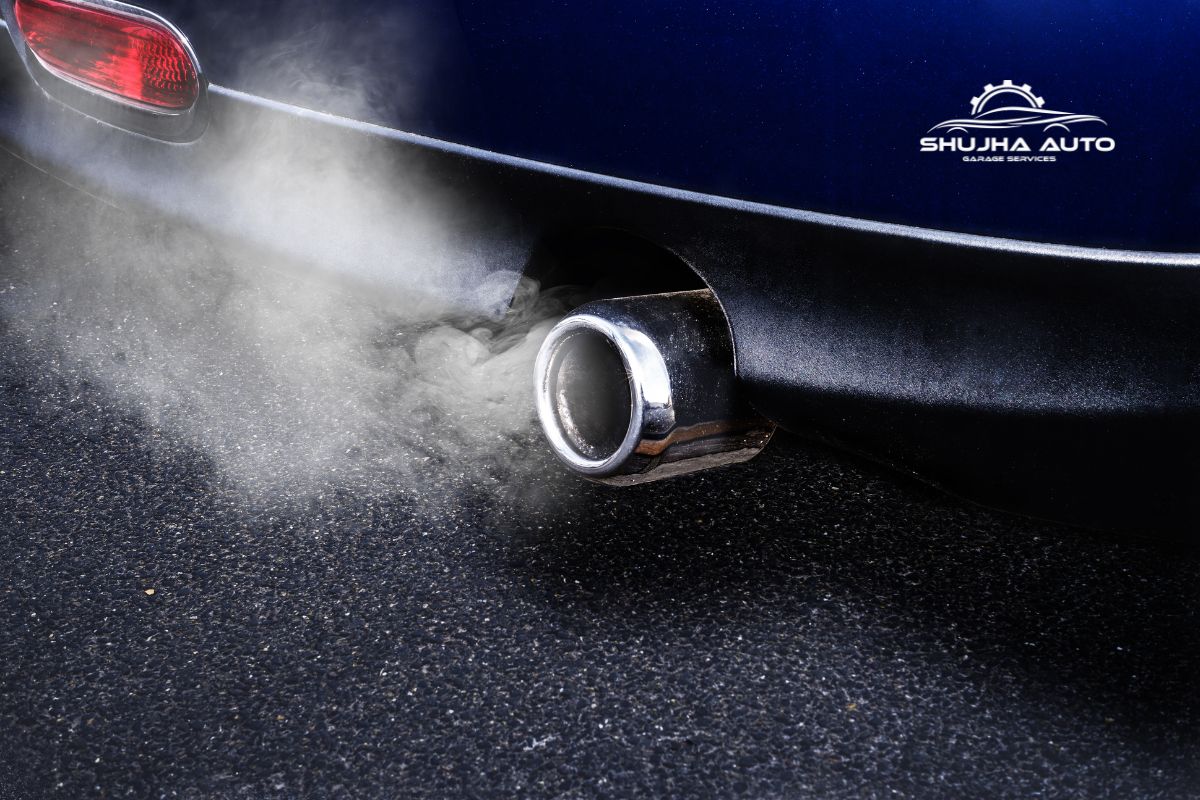
Seeing white steam or smoke billowing from under the hood is a five-alarm fire. This is usually coolant leaking onto extremely hot surfaces and instantly vaporizing. Pull over as soon as it is safe to do so. This is a severe stage of a leak and means your engine is actively overheating.
- Corrosion or Crusty Residue on the Radiator
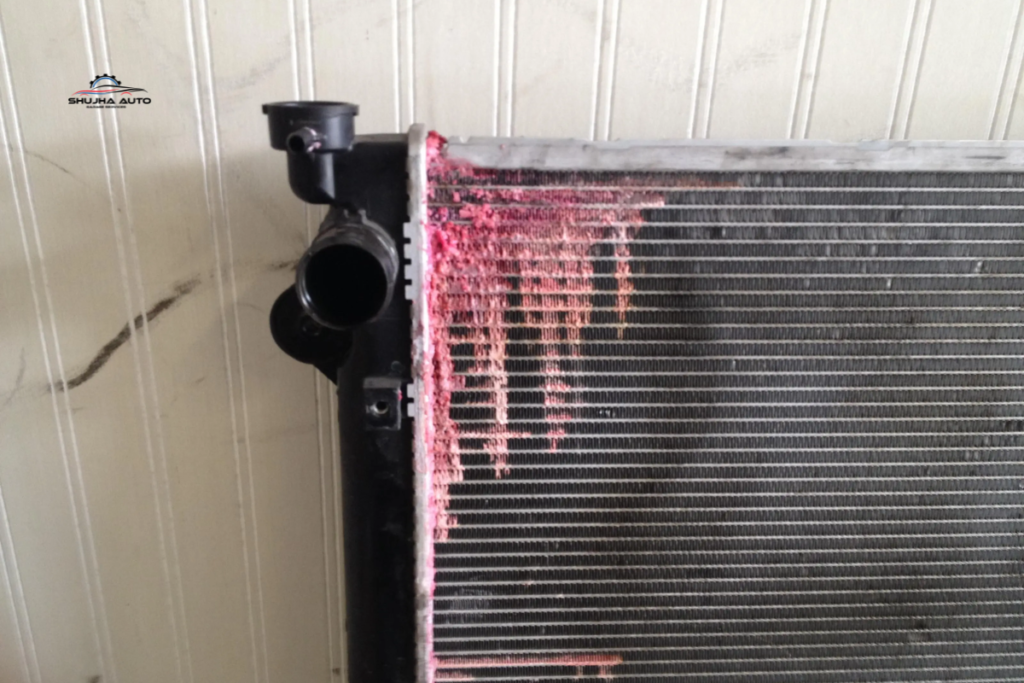
Pop the hood and take a look at the radiator itself (usually behind the front grille). Look for white, green, or rust-colored crusty deposits along the seams, on the tanks (the plastic or metal ends of the radiator), or on the connecting hoses. This coolant crust is a trace left behind after a small leak evaporates. It’s a clear marker of where the leak is occurring.
Location: Please Visit Our Shujha Auto Garage
What Happens If an Issue Is Found? A Step-by-Step Guide from Diagnosis to Repair
So, you’ve spotted one or more of these symptoms. The next step is to get it to a professional. Here’s exactly what a transparent and honest repair process, like the one we follow at Shujha Auto Garage Services, looks like.
The Free Diagnostic Check
This is where the detective work begins. You’ve told us the signs of radiator leak you’ve noticed. We don’t just take a guess. Our certified technicians will perform a thorough inspection. What’s included in the free diagnostic check? It’s a comprehensive process:
- Visual Inspection: We examine the radiator, all hoses, clamps, the water pump, the thermostat housing, and the coolant reservoir for obvious leaks, cracks, or corrosion.
- Pressure Test: This is the gold standard. We attach a special tool to the radiator to pressurize the entire cooling system. If there’s a leak, the pressure will drop, and we can often see or hear exactly where the coolant is escaping—even from tiny, hard-to-find cracks.
- Coolant Condition Check: We assess the color and consistency of your coolant to rule out internal contamination or corrosion.
- Explanation & Estimate: We’ll walk you through our findings with your car, show you the problem area if possible, and explain what needs to be done.
The Clear, Honest Estimate
Once we know the cause—be it a cracked radiator, a worn hose, a faulty water pump, or a loose clamp—we provide a detailed, written estimate. This will include:
- The exact part(s) needed (we use high-quality, reliable parts).
- The cost of the parts.
- The labor time and cost to complete the repair.
- The total, out-the-door price.
Your Approval – No Work Without Your Go-Ahead
We will never start any repair work without your explicit approval of the estimate. We believe you have the right to know exactly what you’re paying for and why it’s necessary.
The Repair Itself
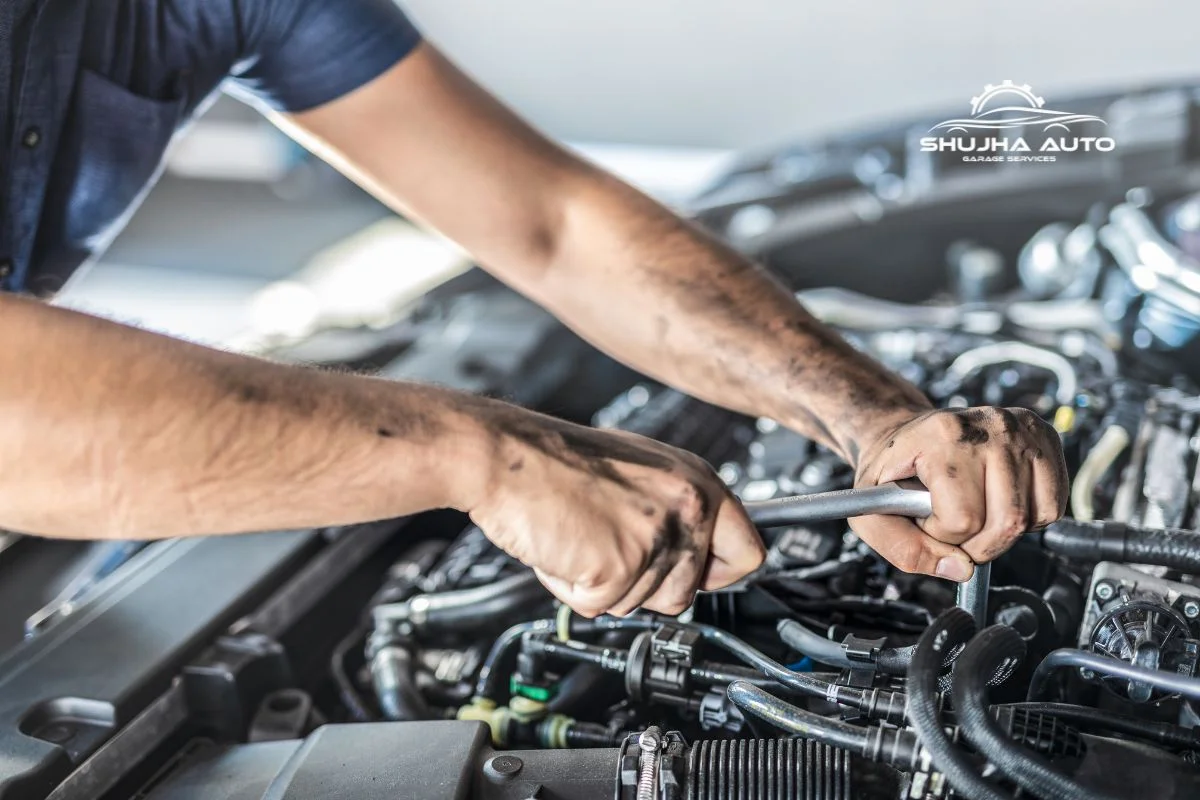
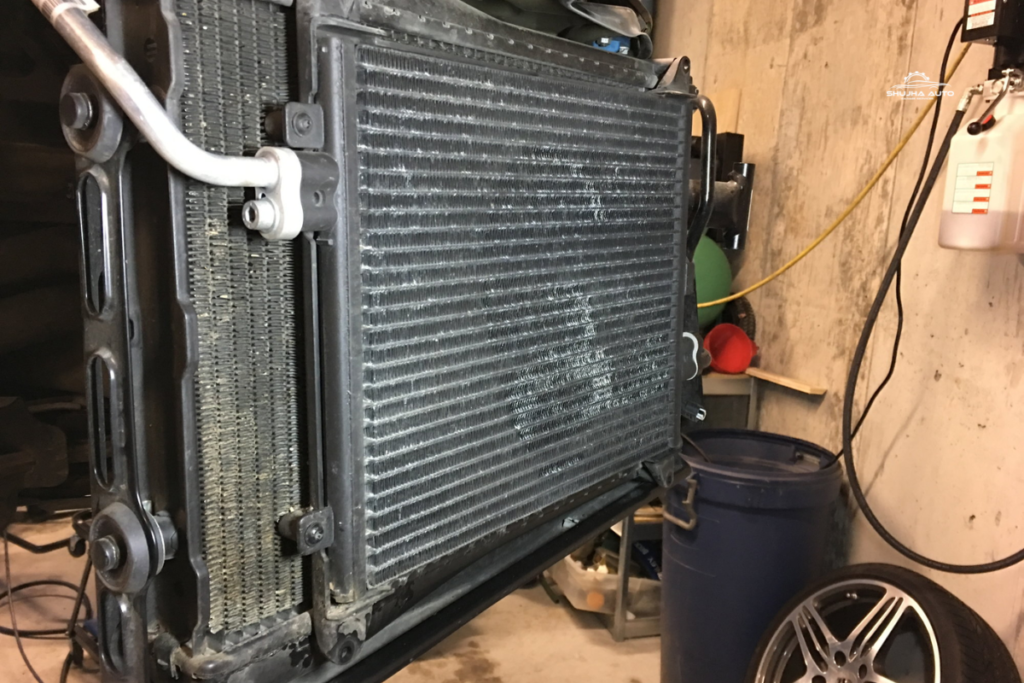
Our skilled technicians get to work using the right tools and techniques. For a radiator replacement, this involves safely draining the coolant, removing the old radiator, installing the new one, reconnecting all hoses, and refilling the system with the correct type and mix of fresh coolant.
Testing and Verification
The job isn’t done until we’re sure it’s done right. We’ll run the engine, bring it to operating temperature, and re-check for leaks. We’ll also ensure your heating system is working perfectly (a great way to check coolant circulation) and that the temperature gauge sits rock-solid in the normal zone.
The Final Review
We’ll review the work performed with you, explain any old parts we removed (you’re welcome to take them), and provide you with the warranty information for both parts and labor.
Addressing Your Concerns: Transparency You Can Trust
We know taking your car in for repairs can be stressful. Two questions are on everyone’s mind, and we want to answer them clearly.
Are there any hidden fees or charges?
At Shujha Auto Garage Services, our answer is a firm no. The price on your approved estimate is the price you pay. The only exception would be if, during the repair, we discover an additional, unforeseen issue that directly impacts safety or the repair at hand. In that extremely rare case, we would immediately stop work, contact you, explain the new situation, and seek your approval for any change in the estimate before proceeding. Our reputation is built on trust, and hidden fees destroy that trust.
What’s included in the free diagnostic check?
As outlined above, it’s a real, hands-on investigation. It’s not just a quick glance. We use dedicated tools like the pressure tester to find the root cause. This free service allows us to give you an accurate estimate and gives you the peace of mind of knowing exactly what’s wrong before you spend a single dirham on the repair itself. It’s our commitment to honest, upfront service.
Prevention: How to Avoid Radiator Leaks in the First Place
While some leaks are sudden, many are the result of slow wear and tear. Here’s how to be proactive:
- Follow Your Service Schedule: Your car’s manufacturer specifies when to flush and replace the coolant. This is vital! Old coolant loses its anti-corrosive properties and turns acidic, eating away at your radiator and hoses from the inside out.
- Regular Visual Checks: Every month or before a long trip, pop the hood. Look at the coolant level in the transparent overflow tank (it should be between the MIN and MAX lines). Look for any obvious leaks or crusty residue.
- Hose Inspection: Feel the upper and lower radiator hoses (when the engine is cool). They should be firm but not rock-hard, and pliable but not mushy. Cracks, bulges, or excessive softness mean they need replacement.
- Protect Your Radiator: Be mindful of debris. A damaged fin from a rock can eventually lead to a leak. Consider a bug screen if you do a lot of highway driving.
When to Call the Professionals
If you observe any of the car radiator leak symptoms we’ve discussed—especially overheating, constant coolant loss, or steam—it’s time to stop driving and call for help. Trying to make it home or to a cheaper shop could be the most expensive decision you make for your car.
At Shujha Auto Garage Services, we specialize in cooling system repairs. We understand the urgency, the anxiety, and the need for honest, competent service. We see every repair as a chance to earn your long-term trust and keep your car running safely and reliably for years to come.
Don’t let a small drip dictate your car’s future. Pay attention to the signs, understand the process, and choose a garage that values clarity and quality. Your engine—and your wallet—will thank you.
Is your car showing symptoms of a leaking radiator? Don’t ignore them. Contact Shujha Auto Garage Services today to book your free, no-obligation diagnostic check. Let our experts find the problem and give you a straightforward solution to get you back on the road with confidence.