




Discover the key car engine vibration causes: misfires, mount failure, imbalance, & fuel issues. Diagnose your vehicle’s shake today.
That shudder you feel at a stoplight. The annoying buzz in the steering wheel on the highway. The unsettling rumble when you accelerate. Engine vibration is your car’s loud, clear way of saying, Something’s wrong! Ignoring it is more than just uncomfortable; it can lead to costly damage down the road.
Vibration is a fantastic clue. It’s your vehicle pointing you toward the root problem. At Shujha Auto Garage Services, we see this every day. Most drivers feel a jolt of anxiety when their car starts shaking, but understanding the potential causes can turn that worry into proactive action.
This guide will walk you through the 20 most common faulty parts that cause Engine Vibrations. We’ll use simple words, explain what you might feel, and give you a roadmap for what to check. Think of this as your first step toward a smoother, safer, and quieter ride.
Why Your Engine Vibrates: The Simple Science
Before we dive into the parts, let’s understand the why. Your engine is designed to run in a balanced, controlled explosion. Hundreds of parts move in perfect sync. When one component fails or wears out, that harmony is disrupted. This imbalance creates a physical shake that travels through your engine mounts and into the cabin.
Vibrations can be constant or intermittent, happen at idle, during acceleration, or at high speeds. Noting when and where you feel it is your first big clue.
Location: Please Visit Our Shujha Auto Garage
The 20 Faulty Parts to Inspect (From Common to Complex)
Let’s break this down system by system. We’ll start with the most frequent offenders.
Category 1: Ignition System Troubles (The Heartbeat Problems)
Your engine needs a perfectly timed spark to burn fuel. If this system fails, cylinders can misfire – meaning they don’t fire at all or fire weakly. This is a top cause of shaking.
- Faulty Spark Plugs
- What Happens: Spark plugs ignite the air-fuel mix in each cylinder. Over time, they wear down, get coated in deposits, or the gap between electrodes widens.
- The Vibration: You’ll often feel a rough shake, especially at idle or under load (like going uphill). The engine may stumble or feel lazy.
- Key Term: Every car has a recommended spark plug replacement interval. This is in your owner’s manual. Ignoring this is a sure path to vibration and poor performance. If it’s been over 30,000-100,000 miles (depending on the type), these are prime suspects.
- Worn Spark Plug Wires or Boots
- What Happens: These wires deliver the high-voltage juice from the ignition coil to the spark plug. They can crack, fray, or get damaged by heat and oil.
- The Vibration: Similar to bad plugs—rough idle, misfires, and shaking. You might also hear a clicking sound from the engine bay (the spark arcing).
- Failing Ignition Coil or Coil Pack
- What Happens: This part transforms your car’s low voltage into the high voltage needed for a spark. Modern cars often have one coil per cylinder (a coil pack).
- The Vibration: A dead coil means one cylinder completely stops working. The shaking is usually pronounced and rhythmic. You’ll almost certainly see the “Check Engine” light flashing.
- Key Term: Common coil pack failure signs include severe misfiring, loss of power, worse fuel economy, and that flashing engine light alongside your vibration.
- Faulty Distributor Cap & Rotor (Older Cars)
- What Happens: In older ignition systems, the cap and rotor direct spark to each plug. They can develop cracks, carbon tracks, or corrosion.
- The Vibration: Misfires across multiple cylinders, causing a general rough running condition and shaking.
Category 2: Air & Fuel Delivery Issues (The Breathing Problems)
Your engine is a giant air pump. It needs the right mix of air and fuel. Disrupt this balance, and vibration follows.
- Clogged or Dirty Fuel Injectors
- What Happens: Injectors spray a fine mist of fuel into the engine. They can get clogged with varnish over time, delivering a poor spray pattern or not enough fuel.
- The Vibration: This causes a lean misfire (too much air, not enough fuel). The engine may shake, hesitate during acceleration, and stall.
- Dirty or Faulty Mass Air Flow (MAF) Sensor
- What Happens: This sensor tells your car’s computer how much air is entering the engine. If it’s dirty or broken, it sends the wrong data.
- The Vibration: The computer miscalculates the fuel needed, leading to a rough idle, stumbling, and shaking as the engine hunts for the right air-fuel mix.
- Vacuum Leaks
- What Happens: Your engine uses vacuum for many things. A cracked, dry-rotted, or disconnected hose creates an uncontrolled air leak.
- The Vibration: This extra, unmetered air leans out the fuel mixture, causing a high, fluctuating idle and a rough, shaky engine.
- Key Term: Classic symptoms of a vacuum leak include a hissing sound from the engine bay, high or surging idle, poor acceleration, and of course, that rough vibration.
- Dirty Throttle Body
- What Happens: The throttle body controls air intake. Carbon buildup can stick the throttle plate, preventing it from closing or opening properly.
- The Vibration: This leads to an erratic, low, or high idle speed, which feels like a constant shaky vibration when stopped.
Category 3: Mechanical & Engine Component Failures (The Physical Problems)
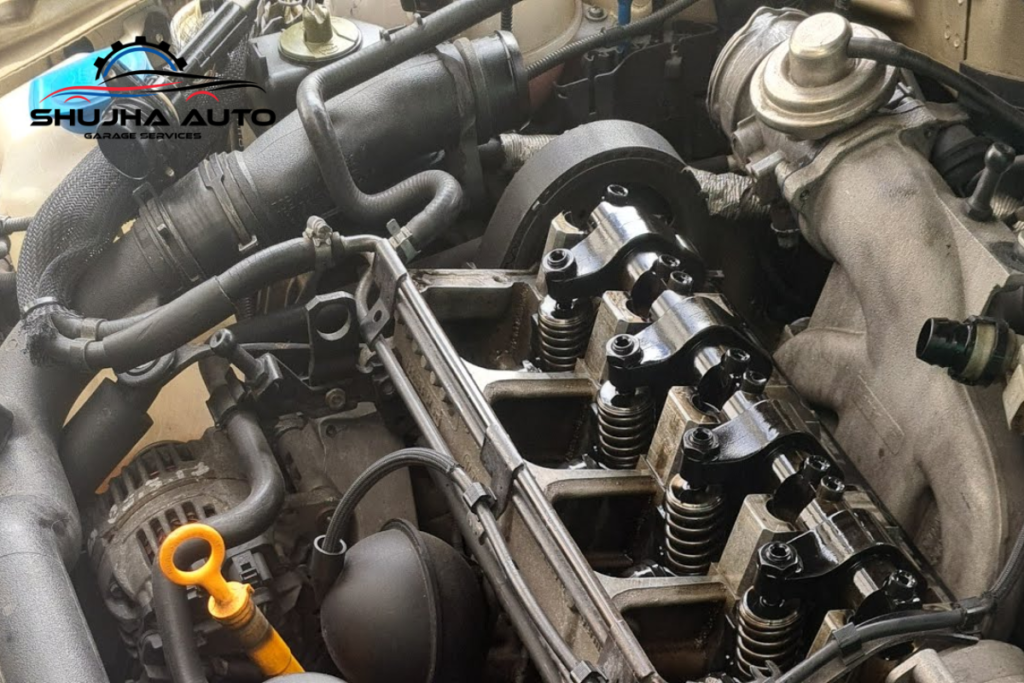
These are more serious internal or hardware issues that directly create imbalance.
- Broken or Worn Engine Mounts
- What Happens: Engine mounts are rubber and metal brackets that hold your engine in place and absorb its natural vibrations. They can crack, split, or leak fluid (in hydraulic mounts).
- The Vibration: This is a HUGE cause of cabin vibration. You’ll feel a heavy shake, especially in gear at a stoplight (put it in Neutral – if the shake lessens, think mounts!). You might also feel a loud clunk when shifting or accelerating.
- Worn Motor Mounts
- What Happens: Similar to engine mounts, these secure the transmission. Failure causes similar symptoms.
- Damaged Harmonic Balancer (Crankshaft Pulley)
- What Happens: This weighted pulley on the front of the engine cancels out inherent crankshaft vibrations. If its rubber insulator fails or it becomes misaligned, violent shaking ensues.
- The Vibration: Severe engine shake, often accompanied by wobbling of the pulley itself and possible squealing from accessory belts.
- Timing Belt/Chain Issues
- What Happens: This critical part keeps your camshaft and crankshaft in sync. If it skips a tooth or stretches, the engine’s timing is off.
- The Vibration: The engine will run extremely poorly—violent shaking, lack of power, and potential for catastrophic engine damage. This is a top-priority fix.
- Low Compression in One or More Cylinders
- What Happens: Compression is the engine’s ability to seal and pressurize the air-fuel mix. It’s lost due to worn piston rings, burned valves, or a blown head gasket.
- The Vibration: This leads to a persistent misfire and shaky running, as the affected cylinder(s) can’t produce proper power.
Category 4: Supporting Systems & Components
The problem isn’t always inside the engine itself. Parts connected to it can also be the culprits.
- Failing Alternator
- What Happens: The alternator charges the battery. If its bearings fail or internal parts wear, it can create a heavy rotational vibration.
- The Vibration: A grinding or whining noise often accompanies the shake. You might also see dimming lights.
- Bad Accessory Pulley or Tensioner
- What Happens: Pulleys for the power steering pump, AC compressor, or the belt tensioner itself have bearings that can seize or wear out.
- The Vibration: This causes a wobble or shake that increases with engine RPM. A squealing or grinding noise is common.
- Dirty EGR Valve
- What Happens: The Exhaust Gas Recirculation (EGR) valve recycles some exhaust to reduce emissions. It can get stuck open or closed with carbon.
- The Vibration: If stuck open, it acts like a vacuum leak, causing a rough idle and shake. You’ll likely have a Check Engine light.
Category 5: Don’t Forget These Feel-Alike Issues
Sometimes, what feels like Engine Vibration is actually coming from elsewhere.
- Unbalanced or Damaged Tires/Wheels
- What Happens: Tires lose balance weights or develop flat spots. Wheels can bend.
- The Vibration: This is usually speed-dependent. You feel it in the steering wheel (front tires) or seat (rear tires) at highway speeds, not necessarily at idle.
- Worn Driveshaft or CV Joints (RWD/AWD)
- What Happens: The driveshaft sends power to the rear wheels. If it’s bent or its balancing weights are lost, it creates a powerful shake.
- The Vibration: A pronounced vibration that gets worse with speed, often feeling like it’s coming from under the center console or floor.
- Worn Brake Rotors
- What Happens: Rotors can become warped or unevenly worn.
- The Vibration: You feel this in the steering wheel or brake pedal when applying the brakes, not necessarily during normal driving.
- Faulty Transmission or Torque Converter (Automatics)
- What Happens: Internal transmission problems or a failing torque converter can cause shuddering.
- The Vibration: This often feels like a rhythmic chugging or shaking, typically during gear changes or at specific cruising speeds.
What to Do Next: Your Action Plan
- Observe: When does the shake happen? Idle? Acceleration? High speed? Does putting the car in Neutral change it?
- Check the Simple Stuff: When was your last tune-up? Are you overdue for a spark plug replacement interval? Pop the hood (when cool) and look for obvious cracks in hoses.
- Listen & Feel: Any new noises? Hissing (symptoms of a vacuum leak), grinding, or clicking?
When to Bring It to a Professional
Diagnosing vibration can be a puzzle. You might have one clear issue, or a combination of several. This is where a trusted mechanic becomes your best friend.
At Shujha Auto Garage Services, we specialize in turning scary shakes into smooth operation. Here’s how we can help, and what you can expect:
What’s Included in the Free Diagnostic Check?
Because guessing is stressful and expensive, we start with clarity. Our free diagnostic check for vibration issues includes:
- Physical Inspection: We’ll visually check engine mounts, belts, hoses, and look for obvious leaks or damage.
- Computer Scan: We hook up our advanced scanner to read any trouble codes stored in your car’s computer. This is crucial for pinpointing misfires (like those from coil pack failure signs).
- Road Test: One of our technicians will drive with you to feel the vibration firsthand, exactly as you do.
- Initial Assessment: We’ll give you a straightforward, honest explanation of what we think the most likely causes are, before any work is done or any charges apply.
What Happens If an Issue Is Found?
If our check finds the problem, you are always in control.
- Detailed Explanation: We’ll show you what’s wrong, why it’s causing the shake, and how it should be fixed.
- Clear Estimate: You’ll receive a written, itemized estimate with parts, labor, and the total cost. No surprises.
- Your Approval: We will never begin repairs without your explicit, informed approval. You can ask all the questions you need.
- Quality Repair: Using quality parts and our experienced technicians, we’ll fix the root cause to get your car running smoothly again.
- Final Test Drive: We’ll verify the repair is complete and the vibration is gone before you even come to pick up your car.
Are There Any Hidden Fees or Charges?
No. We believe in transparent, honest service. The price on your approved estimate is the price you pay. Our free diagnostic check means there is no charge to figure out the problem. You only pay if you choose to proceed with the repairs we recommend.
Drive Smoothly Again
Engine vibration is a warning, not a death sentence. By understanding these 20 common causes, you’re equipped to have an informed conversation with your mechanic and make smart decisions for your car’s health.
If that shake, rattle, or roll has you concerned, don’t let it worsen. Bring your vehicle to Shujha Auto Garage Services. Let us provide the free diagnostic check, clear answers, and the expert repair you need to get back to a quiet, confident, and vibration-free drive.
Schedule your free diagnostic appointment today. Your smooth ride is waiting.