Engine oil leak is one of those car problems that many drivers notice late. At first, it may look like a few small drops under the car. Later, you may smell burning oil, see smoke from the engine area, or notice the oil level dropping again and again. If ignored, a small engine oil leak can turn into a serious engine problem.
Engine oil is very important because it protects the moving parts inside the engine. It reduces friction, controls heat, keeps the engine clean, and helps the car run smoothly. When oil starts leaking, the engine slowly loses this protection. That is why an oil leak should never be ignored.
In this guide, we will explain what causes engine oil leak, the warning signs, how to check it safely, possible repair options, and when you should visit Auto Garage Services for oil leak inspection, engine diagnostic service, oil change service, car maintenance service, or engine repair service.
Quick Answer: What Causes Engine Oil Leak?
Engine oil leak is usually caused by worn gaskets, damaged seals, loose oil drain plug, faulty oil filter, cracked oil pan, bad valve cover gasket, overfilled engine oil, or poor maintenance. In many cars, oil leaks start slowly because rubber seals and gaskets become weak due to heat, pressure, age, and regular driving.
If you see oil spots under your car, smell burning oil, notice low oil level, or see the oil warning light, you should get the car checked quickly. Driving with low engine oil can damage important engine parts and lead to expensive repairs.
Why Engine Oil Is Important
Engine oil works like a protective layer inside your engine. A car engine has many metal parts moving at high speed. These parts create friction and heat. Without proper oil, the parts can rub against each other, overheat, and wear out quickly.
Engine oil helps in many ways. It lubricates moving parts, reduces heat, protects against rust, cleans small dirt particles, and keeps the engine running smoothly. When the oil level becomes low because of a leak, the engine has to work harder.
This can cause rough performance, engine noise, overheating, and internal damage. That is why even a small oil leak should be checked before it becomes a bigger repair.
Common Causes of Engine Oil Leak
Engine oil can leak from different areas of the engine. Some leaks are simple, while others need professional inspection. Below are the most common reasons.
Worn Valve Cover Gasket
The valve cover gasket is one of the most common causes of engine oil leaks. It sits between the valve cover and the top part of the engine. Its job is to seal the engine oil inside.
Over time, this gasket can become hard, dry, or cracked because of engine heat. When this happens, oil may leak from the top of the engine. You may notice oil stains around the engine cover, burning oil smell, or light smoke if oil touches hot parts.
This problem is common in older cars and cars driven daily in hot weather. If the valve cover gasket is leaking, it should be replaced before oil spreads to other engine parts.
Damaged Oil Pan Gasket
The oil pan is located at the bottom of the engine. It holds engine oil when the car is not running. The oil pan gasket seals the oil pan to the engine.
If this gasket becomes weak or damaged, oil can leak from the lower part of the engine. You may see oil drops under the front or middle area of your car after parking.
Sometimes the oil pan can also get damaged by speed bumps, stones, potholes, or road debris. If the oil pan itself is cracked, oil may leak faster and the car should not be driven for long.
Loose Oil Drain Plug
The oil drain plug is removed during an oil change to drain old engine oil. After the oil change, it must be tightened properly. If it is loose, damaged, or the washer is worn out, engine oil can leak from the bottom of the car.
This type of leak often appears after a recent oil change. You may notice fresh oil drops under the engine area. In many cases, the fix is simple, but if the drain plug thread is damaged, it may need proper repair.
Faulty Oil Filter
The oil filter cleans the engine oil before it circulates inside the engine. If the oil filter is loose, damaged, low quality, or installed incorrectly, oil can leak from that area.
A leaking oil filter can be risky because oil pressure can push oil out while the engine is running. If you recently changed your oil and now see leakage, the oil filter should be checked.
A proper oil change service should always include correct filter installation and checking for leaks after the engine starts.
Bad Oil Filler Cap
The oil filler cap is the cap used to add engine oil. If this cap is loose, cracked, or not fitted correctly, oil can splash out from the top of the engine.
This may not always create a puddle under the car, but it can make the engine bay oily. You may also smell burning oil if the oil reaches hot engine parts.
This is usually a simple issue, but it should still be fixed because oil can spread and collect dirt.
Rear Main Seal Leak
The rear main seal is located between the engine and transmission. Its job is to stop oil from leaking from the back side of the engine.
A rear main seal leak can be more serious because it is difficult to access. Oil may drip from the area between the engine and gearbox. The repair can take more time because parts may need to be removed to reach the seal.
If oil is leaking from the back side of the engine, it is better to get a professional inspection before guessing the repair.
Timing Cover Leak
The timing cover protects the timing chain or timing belt area. Some engines may develop oil leaks from the timing cover gasket or related seals.
This leak usually appears near the front side of the engine. Oil can run down and spread, making it difficult to identify the exact source without cleaning and inspection.
Timing cover leaks should be checked carefully because the timing system is important for engine performance.
Cracked Oil Pan
A cracked oil pan can cause engine oil to leak quickly. This usually happens when the bottom of the car hits something hard, such as a stone, speed bump, or road debris.
If the oil pan is cracked, oil may continue dripping even when the car is parked. This can quickly lower the oil level and put the engine at risk.
If you notice a sudden heavy oil leak after hitting something on the road, stop driving and check the oil level. If the leak is large, get the car inspected immediately.
Overfilled Engine Oil
Many drivers think extra oil gives extra protection, but overfilled engine oil can create problems. Too much oil can increase pressure inside the engine and push oil through seals or gaskets.
Overfilled oil can also cause smoke, rough performance, oil foaming, and leakage. This often happens when oil is added without checking the correct level.
Always use the right oil quantity recommended for your car. If your car started leaking after an oil change, overfilled oil may be one possible reason.
High Engine Pressure
Your engine has a system that controls internal pressure. If this system is blocked or not working properly, pressure can build up inside the engine. This pressure can force oil out from weak gaskets and seals.
A blocked breather system or PCV valve can cause this issue. Signs may include multiple oil leaks, rough idle, smoke, or oil smell.
If an oil leak comes back after replacing a gasket, the real problem may be internal pressure. That is why proper engine diagnostic service is important.
Worn Engine Seals
Engines have many seals that keep oil inside. With age, heat, and mileage, these seals can become dry, hard, or cracked. Once they lose flexibility, oil can escape.
Common leaking seals include crankshaft seals, camshaft seals, turbo oil seals, and rear main seal. These leaks may start slowly and become worse over time.
In hot driving conditions, seals may wear faster, especially if the car is not maintained properly.
Wrong Engine Oil Grade
Using the wrong engine oil grade can also contribute to leakage. If the oil is too thin for your engine or not suitable for your car, it may pass through weak seals more easily.
Modern engines need specific oil grades. Cheap or incorrect oil can affect lubrication, pressure, and engine protection.
During oil change service, using the correct oil type is very important for long-term engine health.
Poor Maintenance
Poor maintenance is one of the main reasons behind engine oil leaks. If engine oil is not changed on time, it becomes dirty and less effective. Old oil can create sludge, increase pressure, and damage seals.
When regular car maintenance is delayed, small leaks may remain unnoticed until they become serious. Regular inspection helps find oil leaks early and prevents bigger engine repair costs.
Signs Your Car Has an Engine Oil Leak
An oil leak does not always look serious at the beginning. Sometimes the signs are small, but they still need attention.
Oil Spots Under the Car
The most obvious sign is oil spots under your parked car. Engine oil usually looks brown, dark brown, or black. Fresh oil may look golden or light brown.
If you see spots under the front or middle area of your car, place a piece of cardboard under the engine overnight. This can help you confirm if the leak is active.
Burning Oil Smell
If oil leaks onto hot engine parts, you may smell burning oil. This smell is often stronger after driving or when the car is stopped.
Burning oil smell should not be ignored because oil near hot parts can create smoke and may become a safety risk.
Low Engine Oil Level
If your engine oil level keeps dropping, there may be a leak or oil burning issue. You can check the oil level using the dipstick when the engine is cool and the car is parked on a flat surface.
Low oil level means the engine is not fully protected. If the oil level is low again after topping up, the car needs inspection.
Oil Warning Light
The oil warning light is a serious warning. It may mean low oil level or low oil pressure. If this light appears, stop safely and check the oil level.
Do not continue driving if the oil warning light stays on. Driving with low oil pressure can damage the engine quickly.
Smoke From Engine Area
If oil leaks onto hot parts, smoke may come from the engine bay. This can happen when the valve cover gasket leaks or oil spills during service.
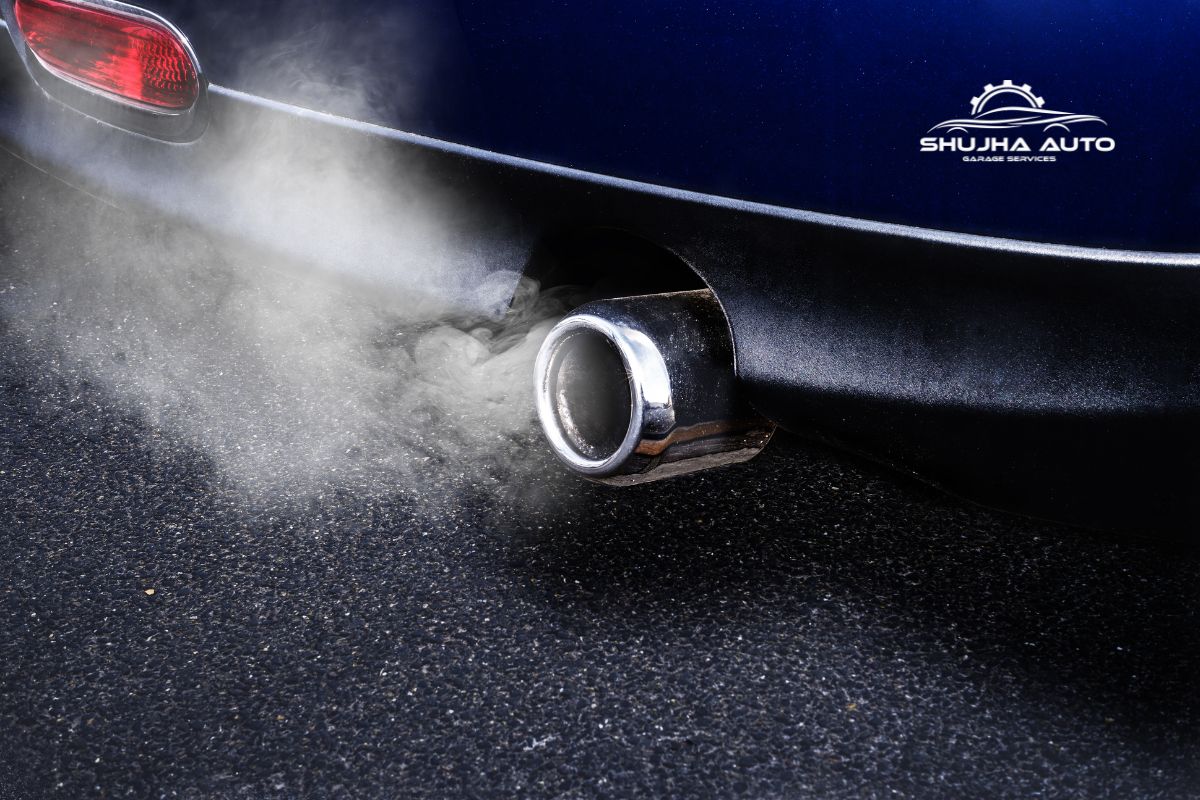
Smoke from the engine area should be checked quickly. It may be a sign that oil is touching hot components.
Engine Noise
Low oil can cause ticking, knocking, or rough engine sound. This happens because engine parts are not getting enough lubrication.
If your engine becomes noisy and the oil level is low, do not ignore it. The car should be checked as soon as possible.
Visit Shujha Auto Garage for Expert Car Care
How to Check Engine Oil Leak Safely
You can do a few simple checks before visiting a garage. But remember, never touch hot engine parts and never go under the car without proper tools and safety support.
Park on a Clean Surface
Park your car on a clean and flat surface. Leave it for a few hours or overnight. Then check the ground for oil spots.
Small spots may mean a slow leak. A large oil patch may mean a serious leak that needs quick attention.
Check the Oil Dipstick
Open the bonnet and check the engine oil dipstick. Remove it, wipe it clean, insert it again, and check the level.
If the oil is below the minimum mark, avoid long driving. Low oil can damage the engine.
Look Around the Engine
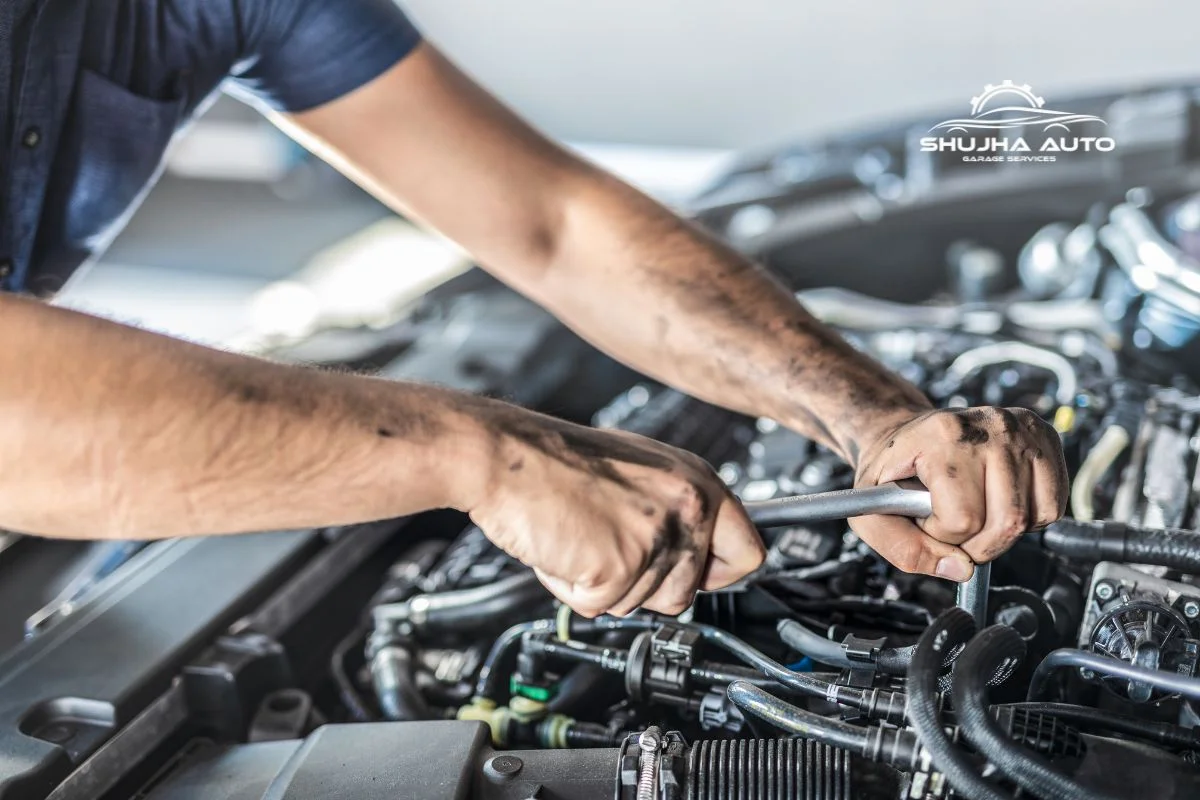
Check around the valve cover, oil filler cap, oil filter, and lower engine area. If you see wet oil, oily dirt, or fresh oil marks, there may be a leak.
Wait for the engine to cool before checking. Do not touch hot parts.
Avoid Guesswork
Oil can travel from one part of the engine to another. A leak from the top may drip down and look like it is coming from the bottom. That is why professional inspection is important.
Auto Garage Services can inspect the engine, clean oily areas, check the oil level, inspect seals and gaskets, and identify the actual leak source.
Can You Drive With an Engine Oil Leak?
You may be able to drive a short distance if the leak is very small and the oil level is still safe. But driving with an engine oil leak is always risky because the leak can become worse at any time.
If oil is dripping heavily, the oil warning light is on, the engine is noisy, or you smell burning oil, stop driving and get the car checked.
A small oil leak repair is usually much cheaper than engine damage. The safest option is to inspect the car early.
What Happens During Oil Leak Inspection?
A proper oil leak inspection is more than just looking under the car. The technician needs to find the exact source of the leak.
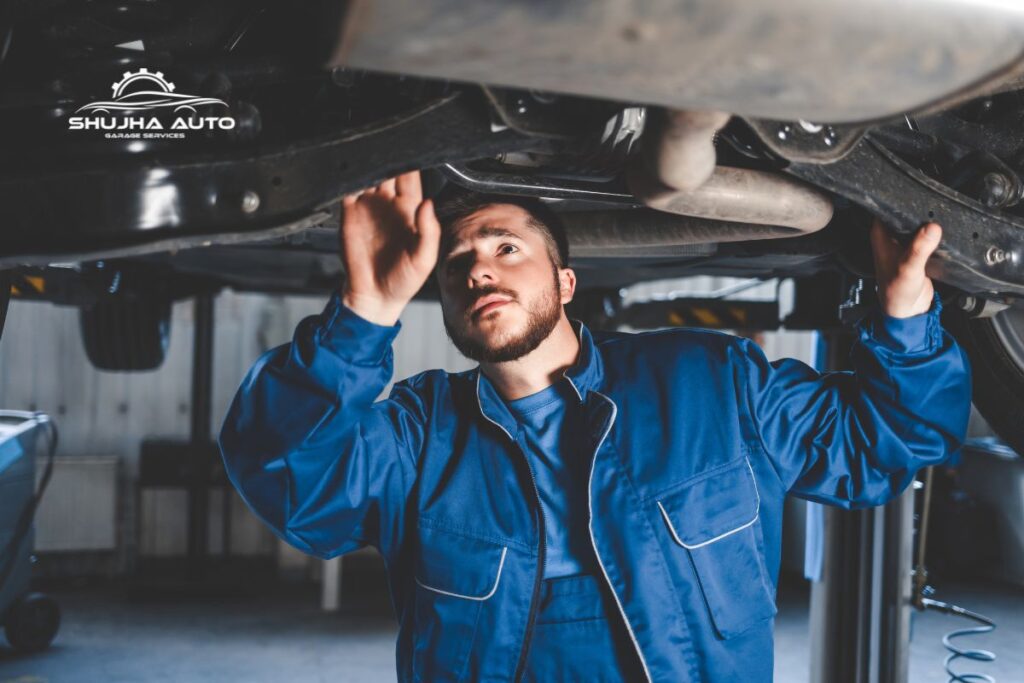
At Auto Garage Services, oil leak inspection may include checking the oil level, valve cover gasket, oil filter, drain plug, oil pan, engine seals, and engine bay. The technician may clean the oily area, run the engine, and check where fresh oil appears.
If needed, the breather system and engine pressure may also be checked. This helps avoid replacing the wrong part.
Common Engine Oil Leak Repair Options
The repair depends on where the leak is coming from. Some repairs are simple, while others take more time.
Valve Cover Gasket Replacement
If oil is leaking from the top of the engine, the valve cover gasket may need replacement. This is a common repair and should be done properly to avoid repeat leakage.
Oil Pan Gasket Repair
If the leak is from the bottom of the engine, the oil pan gasket may need repair or replacement. The oil pan should also be checked for cracks or damage.
Oil Filter Replacement
If the oil filter is leaking, it may need tightening or replacement. A poor-quality filter should be replaced with the correct one.
Drain Plug Washer Replacement
If the drain plug washer is old or damaged, replacing it may stop the leak. If the plug thread is damaged, additional repair may be needed.
Engine Seal Replacement
If the leak is from the crankshaft seal, camshaft seal, or rear main seal, the repair may take longer. These seals should be replaced carefully to prevent future leakage.
Is Engine Oil Leak Repair Expensive?
The cost of engine oil leak repair depends on the leak location, car model, required parts, and labor time. A drain plug or oil filter leak may be simple. A valve cover gasket leak may be moderate. A rear main seal or timing cover leak may take more time.
This is why inspection is important before giving a repair cost. Guessing without checking the car can lead to wrong expectations.
Fixing a small leak early is usually cheaper than waiting until the engine oil becomes low and damages internal parts.
Are There Any Hidden Fees or Charges?
A trusted garage should explain the problem clearly before starting repair. You should know what part is leaking, what repair is needed, how urgent it is, and what the estimated cost will be.
Auto Garage Services focuses on clear diagnosis and honest repair guidance. The goal is to help customers understand the issue and make the right decision without confusion.
Free Diagnostic Check for Engine Oil Leak
If you are not sure where the oil is leaking from, a diagnostic check can help. A proper check saves money because it helps find the real issue instead of replacing parts by guesswork.
For engine oil leak problems, Auto Garage Services can inspect the valve cover gasket, oil pan, oil filter, drain plug, engine seals, oil level, and signs of oil burning.
This is helpful if you see oil spots, smell burning oil, recently had an oil change, or notice that your engine oil level keeps dropping.
How to Prevent Engine Oil Leaks
You cannot prevent every oil leak forever, but good maintenance can reduce the risk.
Change Engine Oil on Time
Regular oil change service keeps the engine clean and helps reduce sludge buildup. Old oil can damage seals and reduce engine protection.
Use the Correct Oil Grade
Always use the oil grade recommended for your car. Wrong oil may affect lubrication and may pass through weak seals more easily.
Check Oil Level Regularly
Check the oil level at least once or twice a month. If the level keeps dropping, get the car inspected.
Fix Small Leaks Early
Do not wait for a small leak to become heavy. Small gasket and seal leaks are easier to repair when caught early.
Choose Quality Service
Poor oil change service can cause leaks from the oil filter, drain plug, or filler cap. Always choose proper service with the correct oil and parts.
Why Choose Auto Garage Services?
Auto Garage Services provides oil leak inspection, engine diagnostic service, oil change service, car maintenance service, and engine repair service for drivers who want reliable car care.
If your car is leaking oil, the team can inspect the leak source, explain the problem in simple words, and recommend the right repair. This helps avoid guesswork, unnecessary part replacement, and bigger engine damage.
Drivers choose Auto Garage Services because of practical diagnosis, experienced technicians, clear repair guidance, and customer-focused service.
When Should You Visit Auto Garage Services?
You should visit Auto Garage Services if you notice oil spots under your car, burning oil smell, low oil level, oil warning light, smoke from the engine bay, engine noise, or oil leakage after a recent service.
You should also get the car checked if you keep topping up oil again and again. That means the oil is either leaking or burning, and both problems need proper inspection.
Early inspection can protect your engine and save you from expensive repair.
FAQs
1. What causes engine oil leak most commonly?
The most common causes of engine oil leak are worn valve cover gasket, damaged oil pan gasket, loose drain plug, faulty oil filter, worn engine seals, cracked oil pan, overfilled oil, wrong oil grade, and poor maintenance.
2. Is it safe to drive with an engine oil leak?
It depends on the leak size and oil level. If the leak is small and the oil level is safe, you may drive a short distance to a garage. But if oil is dripping heavily, the oil warning light is on, or the engine is making noise, it is not safe to continue driving.
3. Why is oil leaking after an oil change?
Oil may leak after an oil change if the oil filter is loose, the drain plug is not tightened properly, the drain plug washer is damaged, the oil filler cap is loose, or the engine oil was overfilled.
4. How do I know if the leak is engine oil?
Engine oil usually looks brown, dark brown, or black. It feels slippery and often appears under the front or middle area of the car. If the fluid is red, green, or clear, it may be another fluid.
5. Can low engine oil damage my car?
Yes, low engine oil can seriously damage the engine. Engine oil protects moving parts from friction and heat. Without enough oil, the engine can overheat, become noisy, or suffer internal damage.
6. Why does my car smell like burning oil?
A burning oil smell usually means oil is leaking onto hot engine parts. This often happens with valve cover gasket leaks or oil spilled during service. It should be checked quickly.
7. How much does engine oil leak repair cost?
The cost depends on the leak source, car model, parts required, and labor time. A drain plug or oil filter leak may be simple, while a rear main seal or timing cover leak may cost more because it takes longer to repair.
8. Can overfilled engine oil cause leakage?
Yes, overfilled engine oil can increase pressure inside the engine and push oil through weak seals or gaskets. It can also cause smoke, poor performance, and oil foaming.
9. What should I do if I see oil under my car?
First, check the engine oil level. If the level is low, avoid long driving. If the leak is heavy or the oil warning light is on, stop driving and get professional inspection.
10. Does Auto Garage Services inspect engine oil leaks?
Yes, Auto Garage Services can inspect engine oil leaks and related problems. The team can check the oil level, oil filter, drain plug, valve cover gasket, oil pan, engine seals, and other related parts to find the actual source of the leak.
Final Words
Engine oil leak may look small at first, but it can become serious if ignored. Engine oil protects your car from friction, heat, and internal damage. When oil leaks out, the engine slowly loses that protection.
The most common causes include worn gaskets, damaged seals, loose drain plug, faulty oil filter, cracked oil pan, overfilled oil, wrong oil grade, and poor maintenance. If you notice oil spots, burning oil smell, low oil level, smoke, engine noise, or oil warning light, get the car inspected quickly.
For oil leak inspection, engine diagnostic service, oil change service, car maintenance service, or engine repair service, visit Auto Garage Services and fix the issue before it turns into a costly repair.